Not every day on the Camino de Santiago is sun-dappled countryside. One pilgrim's account of stage 21, from Leon to Villadangos del Páramo, is a useful reality check for anyone planning the French Way — and a cheat sheet for how to handle its worst stretch.
The day started well: a quiet porch overlooking Leon's cathedral, moka-pot coffee and eggs, and a slow morning before the 13.4-mile walk west. But Leon's guidebooks are blunt about the first eight kilometres out of the city — one route description calls it 'city walking through a bleak highly industrialised area'. The hikers in this story skipped that part entirely, hopping on a local bus to Virgen del Camino for a euro or two.
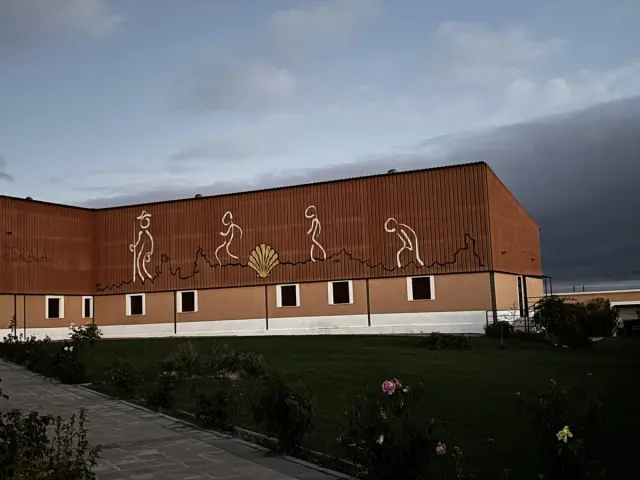
At Virgen del Camino, home to a striking modern church built in 1961, the Camino forks. The scenic alternative threads through quiet countryside; the traditional route hugs a highway. Because they'd pre-booked accommodation in Villadangos, the traditional route was their only option — and it turned into what they described as hiking hell: roadside pavement next to a busy road, industrial parks, low-flying fighter jets roaring overhead from a nearby military base, diesel fumes, no shade, and their first proper heat of the trip with temperatures pushing into the 90s Fahrenheit. Water ran low and there were no shops.
Their rescue attempt became a mini-drama of its own. A bus stop offered hope, but the first bus sailed straight past, and the next took over an hour to appear — on a long-haul route that only stops if someone is clearly standing at the stop. Lesson learned: look like you're waiting, and expect drivers who speak no English.
The day redeemed itself at a bright, modern hostel in Villadangos with a pilgrim kitchen and a small bar. A grocery run done entirely in mime — potatoes and mystery ground meat — turned into burgers and fried potatoes cooked alongside a fellow pilgrim and her elderly mother, followed by a cheap but very drinkable bottle of Spanish wine in the lounge. Even the hostel had a wistful note: clean and comfortable but oddly soulless, with most guests plugged into their own worlds.
The takeaway for pilgrims is simple. Buses are a legitimate, honest way around the Camino's industrial stretches — no one is handing out medals for suffering along a motorway. Book carefully, though: locking yourself into a bed in a town on the roadside route removes the choice of taking the scenic fork. Carry more water than you think you need in summer, especially between Virgen del Camino and Villadangos, where shade and shops are scarce. And if a stage sounds miserable on paper, trust the guidebook.
The walkers themselves are looking ahead to extending the trip past Santiago to Fisterra — the Galician 'end of the world' — which is well worth pencilling in if you've made it that far already.