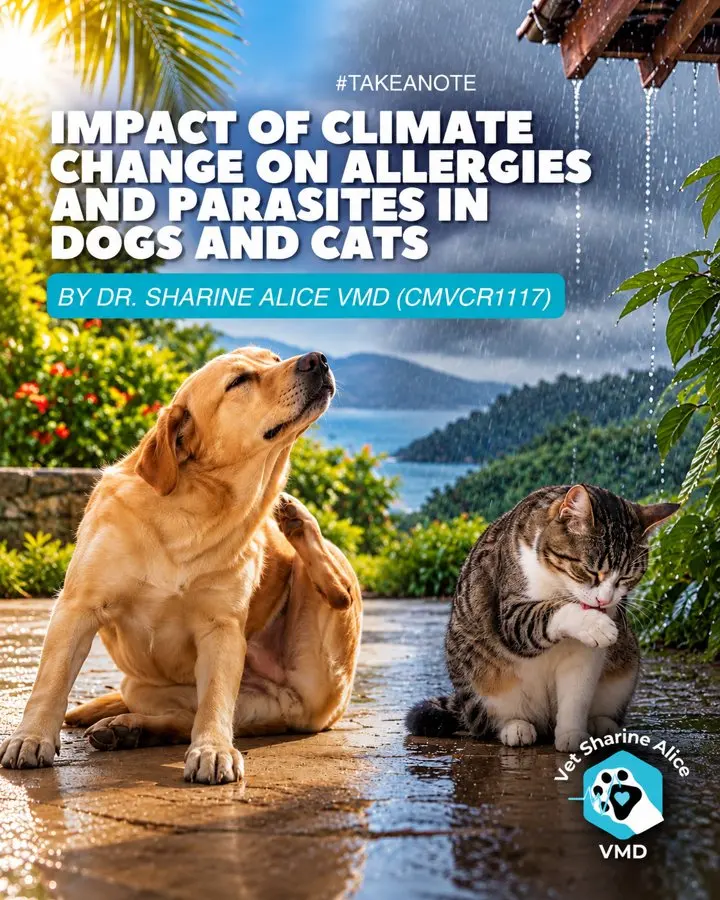
A vet in Playa Hermosa, Guanacaste has a message for dog and cat owners in Costa Rica: the itchiest season may be getting longer. Dr. Sharine Alice, writing in Howler Costa Rica, argues that rising temperatures, shifting rainfall and higher humidity are quietly changing two everyday pet health problems — allergies and parasites — and that the old idea of a defined "parasite season" no longer holds up.
The logic is straightforward. Allergies in pets are usually triggered by environmental factors: pollen, grasses, moulds and dust mites. Because climate conditions influence how plants grow and when pollen peaks, sensitive animals can end up exposed to allergens for longer stretches of the year. The warning signs are the ones many owners already recognise but shrug off — relentless scratching, paw licking, red skin, hair loss, and ear infections that keep coming back.
Parasites are even more directly tied to the weather. Fleas, ticks and mosquitoes all thrive on warmth and humidity, which in a tropical country like Costa Rica already means near year-round activity. The stakes go beyond irritation: fleas can cause allergic dermatitis, ticks transmit diseases such as ehrlichiosis and anaplasmosis, and mosquitoes carry heartworm. In a warming climate, the window when these pests are active only widens.
Dr. Alice's advice is refreshingly practical. Use parasite prevention recommended by a vet for your specific pet and local risks, check skin and coat regularly after time outdoors, and keep notes or photos when something changes — patterns over weeks can give your vet useful diagnostic clues. One warning she flags is easy to get wrong: never apply a flea or tick product made for dogs to a cat. Several common canine ingredients are toxic to cats, and the mistake can be fatal.
So is this a travel story? Increasingly, yes. Costa Rica is a magnet for long-stay visitors, digital nomads and snowbird expats, and many bring their pets along or adopt one while there. Anyone landing a dog in Guanacaste from a temperate climate will find the parasite calendar here looks nothing like the one back home — prevention is a 12-month job, not a summer chore. Travellers planning extended stays with animals should factor vet costs and monthly preventatives into the budget, and book a local vet consult early rather than waiting for the first scratching fit.