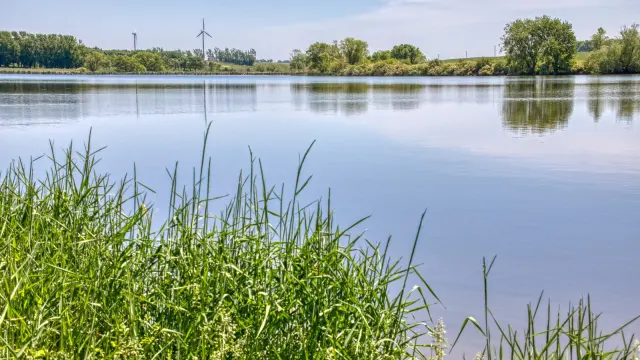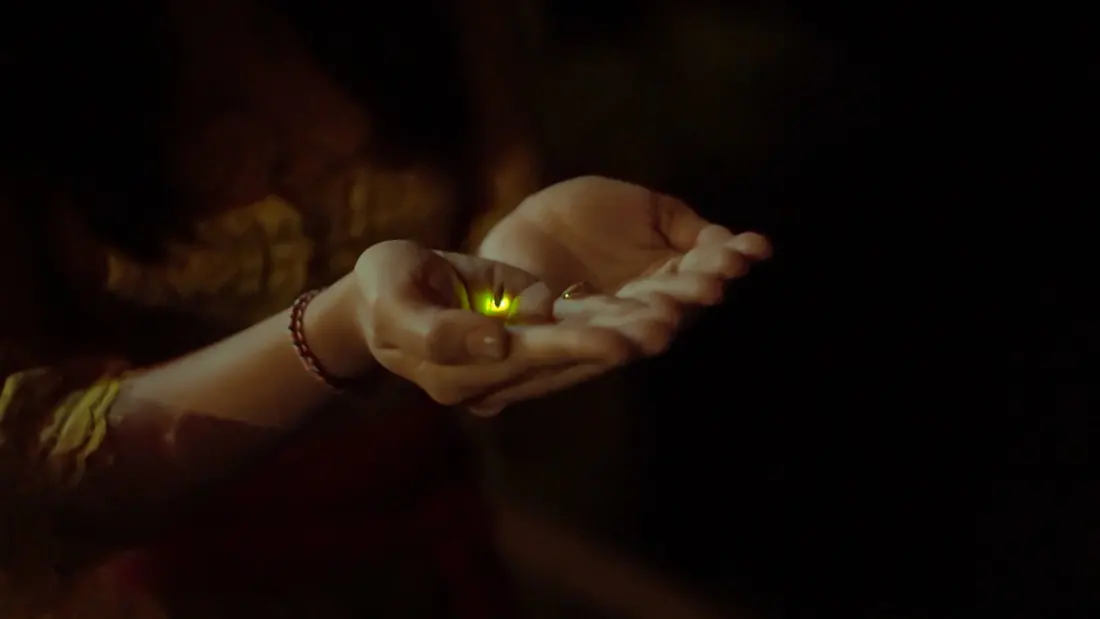
In Taro Village, about twenty minutes from Ubud in Bali, conservationist Wayan Wardika grew up walking home from school along rice paddies lit by fireflies. There was no electricity. When he returned two decades later after a hospitality career on cruise ships and in hotel lobbies, the paddies were still there — but the fireflies were nearly gone.
Wardika spent his savings building a firefly research lab on his family's land, hiring biologists to work out what had happened. The answer, largely, was artificial light. A firefly's flash is a courtship signal — a chemical reaction between luciferase, luciferin and oxygen that produces cold light — and it only works in darkness. Add a streetlamp and the entire exchange collapses. The stakes are real: the IUCN Red List reports roughly one in three North American firefly species is near extinction, with vulnerable species across Indonesia, Thailand and Malaysia.
Here's the twist that makes this a travel and health story rather than just a conservation one: humans run on a strikingly similar system. Specialised cells in the eye tell the brain's master clock whether it's day or night, which controls when melatonin is released. That signal, too, only works in the dark. Bright light late at night keeps cortisol elevated and delays melatonin.
The evidence backing this up is sobering. A 2024 PNAS study tracking nearly 89,000 people found that brighter nights and dimmer days correlated with higher death risk over eight years, particularly from heart disease and diabetes. A companion paper tied night-time light exposure to increased type 2 diabetes risk. And a 2024 study in the journal Sleep of over 60,000 people found consistent sleep schedules predicted a 20 to 48 percent lower mortality risk — regularity mattered more than duration.
Wardika now consults on lighting at Buahan, a Banyan Tree Escape near his village, where every fixture stays under 2,200 Kelvin after sundown. The lighting was designed for the fireflies, but it doubles as exactly what a sleep doctor would order. Guests stay in screen-less, wall-free villas that switch to oil lamps at dusk. Dr Ingrid Yang, the internist and travel journalist who visited, reported sleeping straight through two nights — something she hadn't done in years.
You don't need a Balinese eco-resort to copy the setup, though it's a good excuse to book one. The practical version: get real daylight within the first hour of waking, let your home dim gradually over the two hours before bed, and keep screens out of the final hour. Low, warm light after sundown is the whole prescription. For travellers, Buahan and the firefly experiences around Ubud offer a rare chance to feel the difference in a single night — and Taro Village itself is worth the trip for anyone who wants to see a valley blink back to life at Sandhya, the Balinese word for the soft hour between day and night.
Story via Outside Online.