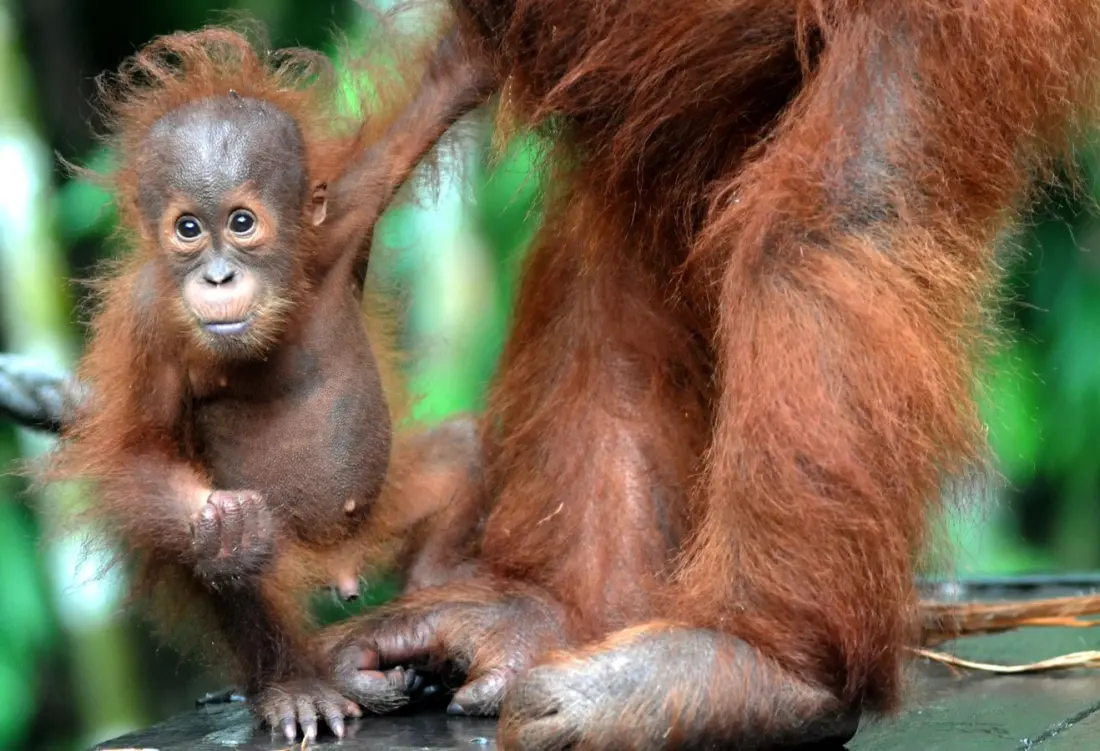
A young orangutan seized from a Mumbai apartment in 2024 has finally been sent back to Indonesia, closing a two-year chapter of health checks and paperwork and setting a first: it's the earliest successful repatriation of a seized CITES-protected animal from India.
The juvenile ape is now at the Sumatra Rescue Alliance facility on the island of Sumatra, run by the Orangutan Information Centre. Its route back to the forest is a long one. First comes quarantine, then what rescuers call forest school — a rehabilitation phase where the orangutan learns to climb, forage and generally be a wild ape again. Conservation scientist Sinan Serhadli, an adviser to the centre, says that if all goes to plan, the animal could be released into the wild in roughly four years.
The case matters beyond one ape. Yogesh Nilkand Warkad, assistant management authority for CITES in Mumbai, confirmed his office pushed hard to make the transfer happen, and conservationists hope it sets a workable precedent for returning trafficked wildlife to its country of origin rather than leaving rescued animals in limbo far from home.
There may be more to come. Five infant orangutans were rescued from forests in India's Odisha state in September 2026 and are currently being cared for at Nandankanan Zoological Park in Bhubaneswar while investigators trace how they got there. They're thought to be between one and one-and-a-half years old, and initial observations suggest they may be Sumatran orangutans (Pongo abelii), though genetic testing is needed to confirm it. Indonesia has proposed sending a seven-member team — officials, vets and orangutan specialists — to India to assess the infants and sort the documentation for their return.
Panut Hadisiswoyo, founder of the Orangutan Information Centre, says publicity around the Odisha case has actually sped up repatriation talks. He's also pushing for stronger India–Indonesia cooperation against the trafficking networks behind captures like these. All orangutan species are listed on CITES Appendix I, banning commercial international trade, and remain under pressure from habitat loss and poaching as well.
For travellers, this is a reminder that the wildlife you encounter on holiday has a backstory — and that ethical wildlife experiences, like visiting legitimate rescue and rehabilitation centres in Sumatra or Borneo, directly support the kind of work that got this ape home. If Indonesia is on your list, the Sumatra rescue centres and the leuser landscapes around Medan are worth building into a trip, ideally through operators that work with conservation organisations rather than roadside photo-op attractions.