Dreaming of a base in Mexico? The money bar has just been raised. From July 2025, Mexican consulates abroad were directed to calculate residency qualification using UMA — an inflation-linked unit — instead of the fast-rising minimum wage. Because Mexico's minimum wage has more than tripled since 2016 while UMA has crept up slowly with inflation, this technically rebases the requirements, and the resulting 2026 figures are still steep.
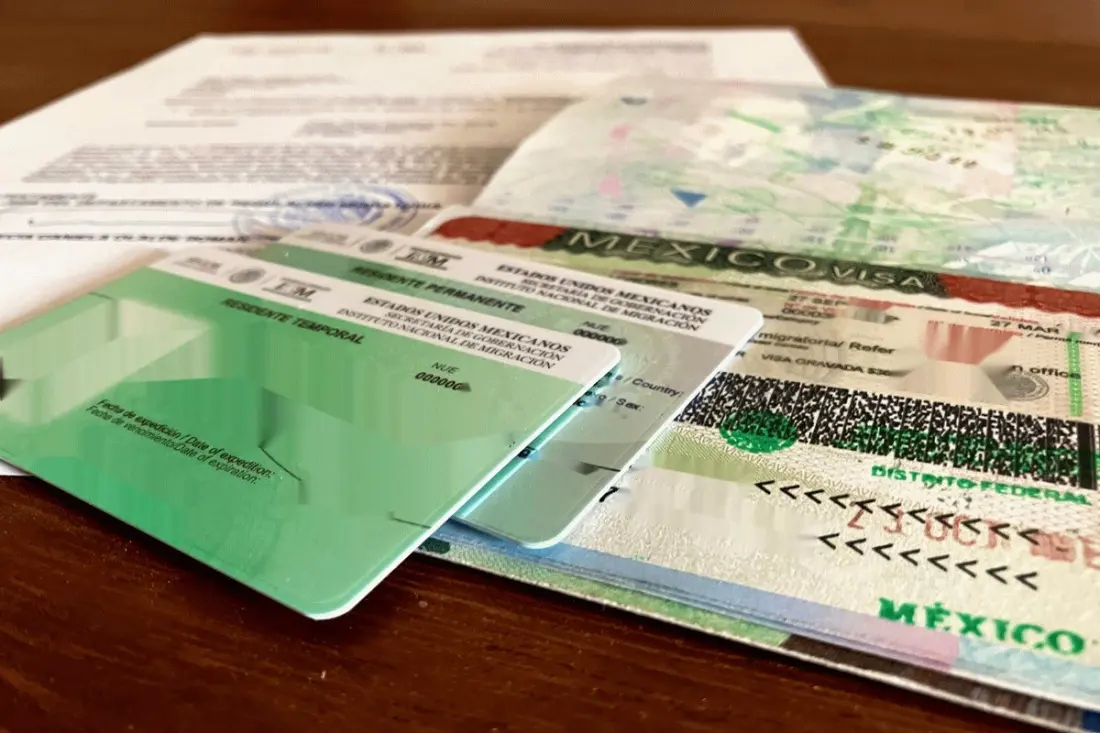
For Temporary Residency, you'll need to show around US$4,400 in monthly income, or roughly US$74,000 in savings and investments. The savings route is flexible: cash, a 401k or equivalent, trust funds and certain investment funds all count, which makes it a realistic path for anyone sitting on proceeds from a house sale or a lifetime of saving. Permanent residency is a different league entirely — about US$7,400 per month or US$300,000 in balances — and consulates only grant it to people classified as retired.
Here's the catch worth knowing: these qualification thresholds don't match what life actually costs in Mexico. The income you must prove on paper is generally higher than what most residents spend month to month, so don't let the headline numbers scare you off if you've researched real budgets in places like Oaxaca or Mérida.
And if your finances fall short, there are routes that bypass economic solvency altogether. Marriage to a Mexican citizen — or to an existing foreign resident — lets you enter as a visitor and exchange your permit for a residency card, and same-sex marriages are recognised. Common-law partnerships (concubinato) work too, though you'll need to ask your local immigration office what evidence they accept in place of a marriage certificate. Certain family connections also qualify, and there's an elegant quirk in the rules: if your child is born in Mexico, both parents immediately become eligible for residency, applied for directly inside Mexico rather than through a consulate. Humanitarian applications exist as well, handled case by case.
For travellers weighing an extended stay or a retirement move, the practical takeaway is to decide early which route fits. If you're within range of the income or savings thresholds, gather documentation before you book a consulate appointment, since requirements are checked at the application stage. If not, the family-based routes mean residency isn't only for the well-heeled. Either way, the process — applications, renewals, permit exchanges — involves paperwork that many people navigate with professional help, and requirements can shift year to year as UMA moves.
Mexico remains one of the most accessible countries for foreigners wanting to stay long-term; it just pays to know which door you're walking through before you start.