Eleven boutique wineries from China's far-western Xinjiang region land in Singapore on 19–20 November for "Xinjiang Wine: A World of Chinese Terroir", a two-day push to introduce 68 labels to Southeast Asia's sommeliers, importers and collectors.
The programme is structured in three parts. First, a gala pairing dinner at Jin Ting Wan, the Michelin-starred Cantonese restaurant overlooking Marina Bay, where each of the 11 producers pours one flagship vintage alongside bespoke dishes. Head sommelier Joe Yang — winner of the 2026 Michelin Guide Singapore Sommelier Award — plans to fold Xinjiang wines into the restaurant's regular list, meaning diners in Singapore may soon order them without hunting for a special tasting. Second, Master of Wine Xing Wei leads a masterclass on the region's climates, soils and grape varieties. Third, an invitation-only walk-around trade exhibition lets buyers taste all 68 wines side by side, 60 of which have won domestic or international awards.
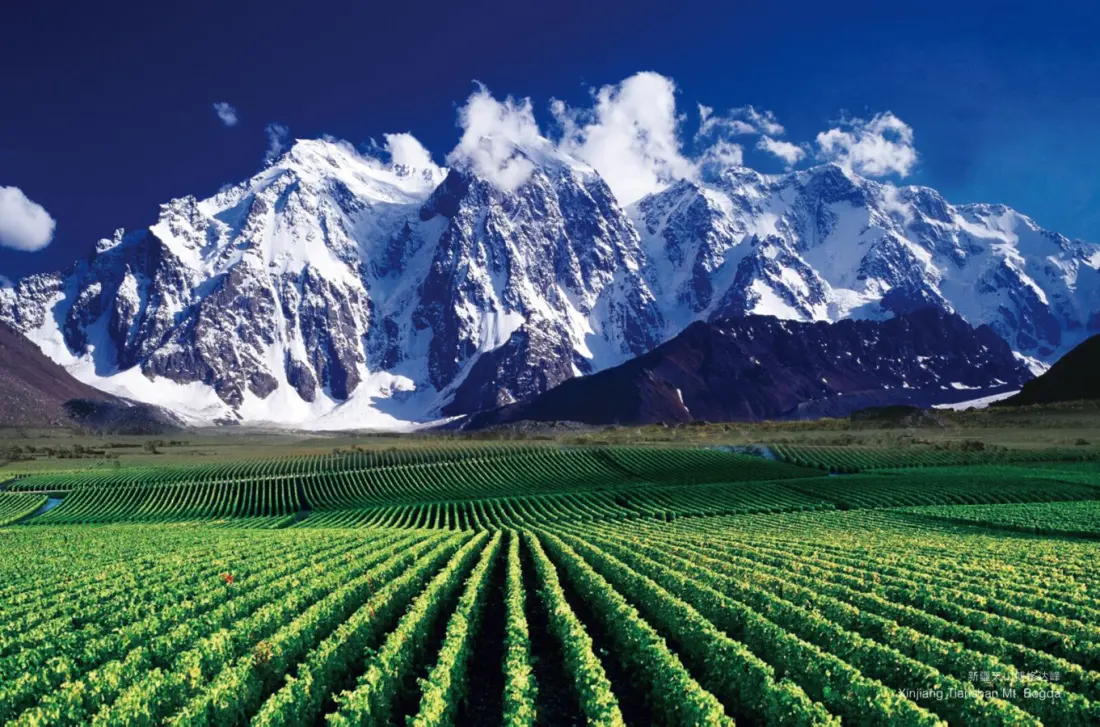
What makes Xinjiang interesting is scale and variety. Vineyards stretch north and south of the Tianshan Mountains, irrigated by glacial snowmelt, and split into four distinct subregions: the hot, arid Turpan-Hami Basin producing ripe, concentrated styles; the lake-moderated Yanqi Basin; the northern Tianshan slopes, home to the region's largest wine cluster and most experimental viticulture; and the Ili Valley, which catches warm, humid Atlantic airflows — a genuinely unusual growing environment this far inland.
The 11 exhibitors cover all four: Puchang Vineyard from Turpan-Hami; Château Aroma, Tiansai Vineyards, Bainian Manor and Château Zhong Fei from Yanqi; Château Xianghai, Château Lixuan, Yaochixiye and Tangting Xialu from the northern foothills; and Silk Road Vineyards and Château Crescent from the Ili Valley.
There's government muscle behind it too. The showcase follows seven policy measures from Xinjiang's regional government aimed at upgrading vineyards, strengthening brand identity, developing wine tourism and easing financial guarantees for producers entering overseas markets. A delegation is in Singapore studying local consumption, import rules and distribution networks.
The deeper story is history. Winemaking has travelled through Xinjiang since grapevines crossed the Pamir Plateau into its oasis kingdoms between the third and second centuries BC. A 2,300-year-old grapevine was unearthed at the Yanghai Tombs near Turpan, and Tang dynasty records document Gaochang tribute wines sent to the imperial capital. Today's producers are layering modern clonal selection and terroir mapping onto two millennia of continuous viticulture.
For travellers, this is an early signal: Chinese wine, long absent from Southeast Asian restaurant lists, is about to become visible — and Xinjiang is positioning itself as both a producer and a wine-tourism destination along the old Silk Road. Wine drinkers passing through Singapore in the coming months should watch Jin Ting Wan's list for these bottles as a first, accessible taste of the region.