Greece is having a record year — and that's exactly the problem. Arrivals were up 38 percent in the opening months of 2026, the sharpest rise in Europe, pouring a huge number of visitors into a country of just 10 million people. For a tourism-dependent state that emerged from a financial crisis and a pandemic shutdown, the boom is welcome money. But the Bank of Greece is worried: the crowds are colliding with climate pressures, from scorching heat to wildfire seasons that have already devastated parts of the Mediterranean.
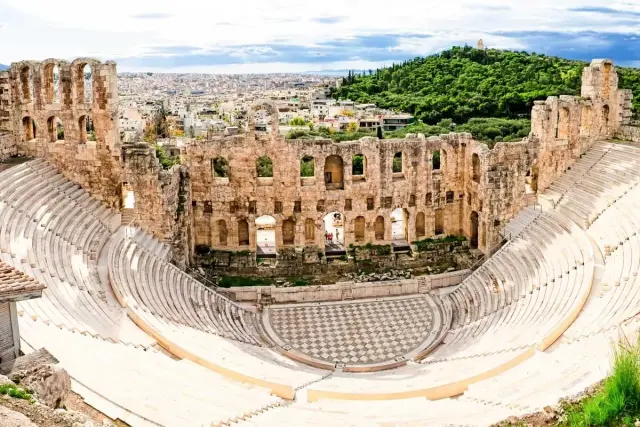
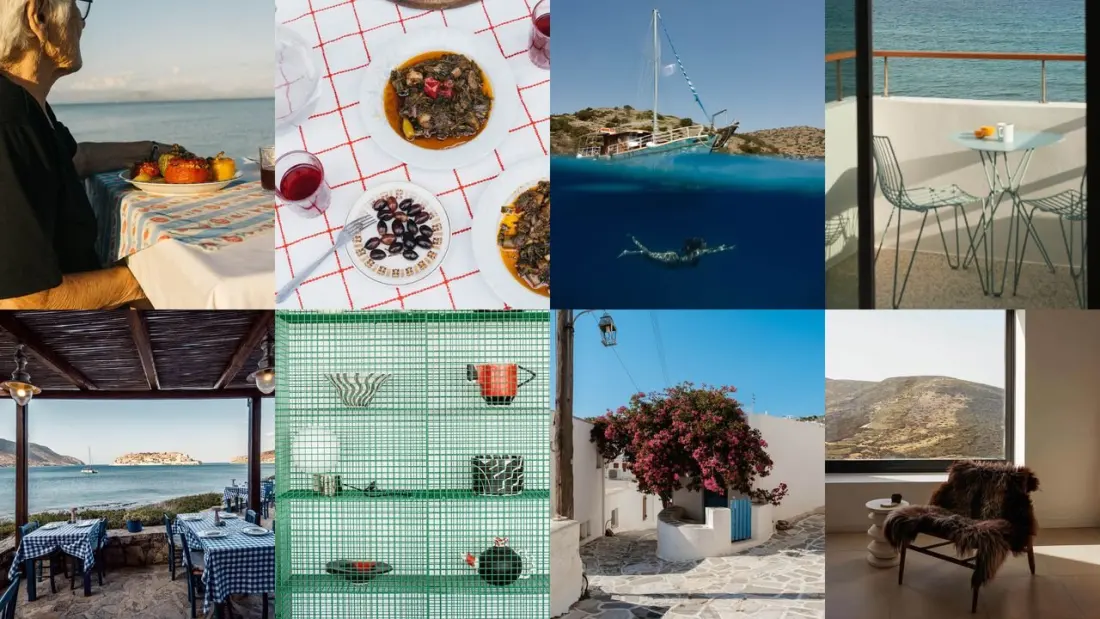
The fix, according to a group of Greek hoteliers, winemakers and food writers asked for their insider tips, is simple — go when everyone else doesn't. The country rewards off-season travel with experiences you simply can't have in August: fresh-pressed olive oil tasted at the grove right after spring harvest, autumn village panigiria (local festivals) celebrated alongside islanders, and Athens' ancient ruins explored in soft, mild light without heaving queues.
The locals' picks span the country. In Chania, Nikos Tsepetis — whose design-led Ammos hotel has been a Crete favourite for 30 years and staffs 80 percent from the local community — champions spring as the island's greenest, quietest season. Corfu advocate Anastasia Miari, a food writer who has spent nearly a decade recording Greek family recipes passed down by instinct rather than instruction, says spring is when the island's culinary heritage tastes best; her book Mediterranea now broadens that story across the wider Mediterranean.
Further south, winemaker Michael Kouloglou moved to Santorini 11 years ago, calling it the mecca of Greek white wine, and now makes a small-batch Assyrtiko called Orycton from old vines near the quiet village of Monolithos. His season is autumn, when the seaside calm returns. On Paros, Dutch ceramicist Christiane Smit — who landed on the island in 2008 and never left — runs an atelier in the mountain village of Lefkes, owns the minimalist clifftop villa Moonhouse, and is restoring a century-old stone house in Kostos; she swears by the shoulder season's peaceful rhythm. Back in the capital, Agapi Sbokou, co-owner and CEO of hotel brand Phāea, says Athens feels most alive in autumn, when locals reclaim the city.
There's also a practical timing note: the mainland is about to get a spotlight thanks to Christopher Nolan's upcoming film, so expect more attention on the Peloponnese and northern Aegean destinations like the Thermaic Gulf — regions the already clued-up are quietly choosing over the packed postcard islands and their chock-a-block ferry routes.
Who is this for? Anyone who has dreamed of Santorini or Athens but balked at August prices, heat and queues. Travelling siga siga — slowly, as the Greek saying goes — in spring or autumn gets you milder weather, genuinely local encounters, harvest-season food and wine, and a calmer Greece. It also spreads your tourism euros to places and months that need them most, easing the summer strain the country itself is warning about.