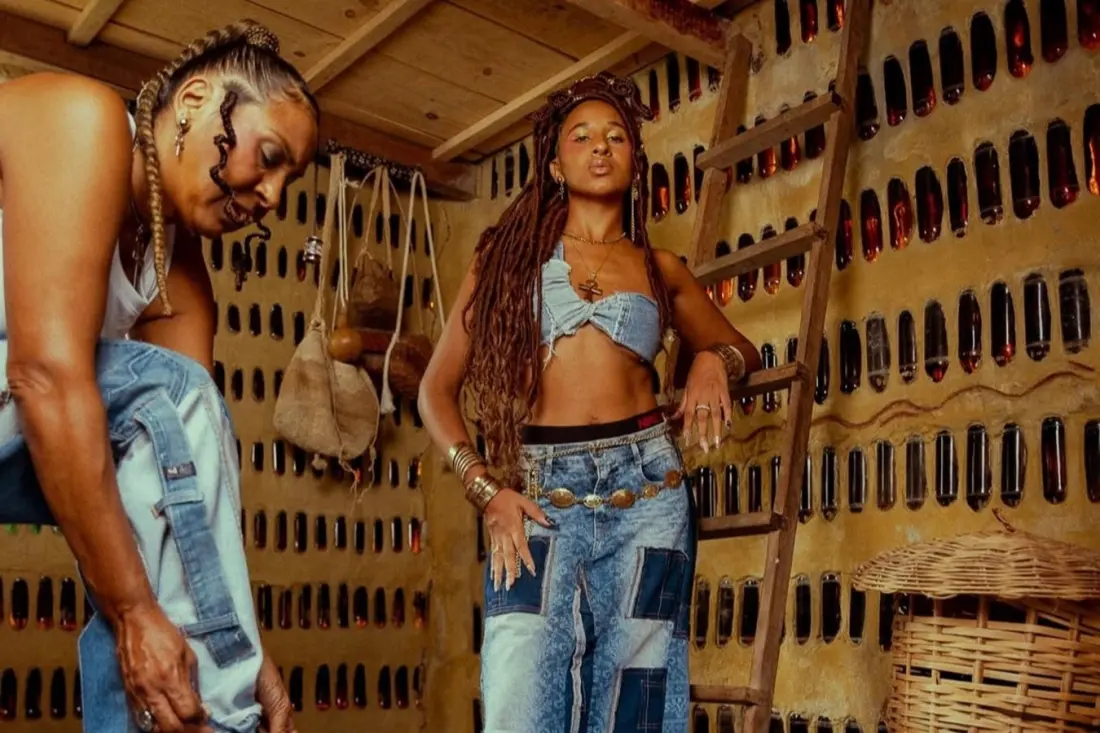
On Itamaraca Island in Pernambuco, northeastern Brazil, a mother and daughter have built a seven-room house almost entirely out of rubbish. Edna Dantas and Maria Gabrielly Dantas estimate their home, Casa de Sal, contains around 8,000 discarded glass bottles set into the walls, alongside reclaimed wood partitions and roofing tiles fashioned from old toothpaste tubes.
The project started out of necessity rather than ideology. In May 2020, during the pandemic, the pair's landlord asked them to leave their rental and Maria Gabrielly had paused her university studies. With land available, they decided to build. Bottles were collected from beaches, streets, mangroves and vacant plots around the island — about 6,000 by July 2021 — and set vertically into mortar, openings facing down, with each row alternating direction. The glass lets daylight filter through the rooms and casts patterned light across the interior, while cutting the amount of extra building material needed. The 70-square-metre (750-square-foot) house took roughly two years to complete in stages; the first section doubled as a sewing studio while construction continued.
The bottle walls solve a local problem too. After tourist seasons, discarded glass piles up on Itamaraca's beaches, and Edna says waste collection on the island is unreliable, with no selective recycling system. Reuse runs in the family: Edna has more than three decades of experience in recycling and environmental education, and Maria Gabrielly, a fashion design graduate, brought the design skills. Since 2014 the two have also run Cabrochas, a sustainable fashion brand that began as a secondhand clothing shop.
Today Casa de Sal works as both a family home and a small environmental education hub. Edna runs workshops and guided visits on waste and reuse, and also uses the space to talk about environmental racism — how environmental damage and poor services fall hardest on marginalized communities. Maria Gabrielly handles bookings and guest coordination.
For travellers, this is a genuinely unusual stay with a purpose. The property sits about 100 metres from the beach, and was listed at R$430 (roughly US$85) for a two-night stay in January 2026, though prices may have shifted. Guests can see up close how the bottles are built into the walls and hear the story of two women who pushed the project through — at times against scepticism from hired workers who underestimated their technical planning.
Anyone drawn to low-impact travel, hands-on sustainability projects or accommodation with a real backstory will get the most out of a visit. It also works as a day-trip option from the Recife area, with the island's beaches on the doorstep.