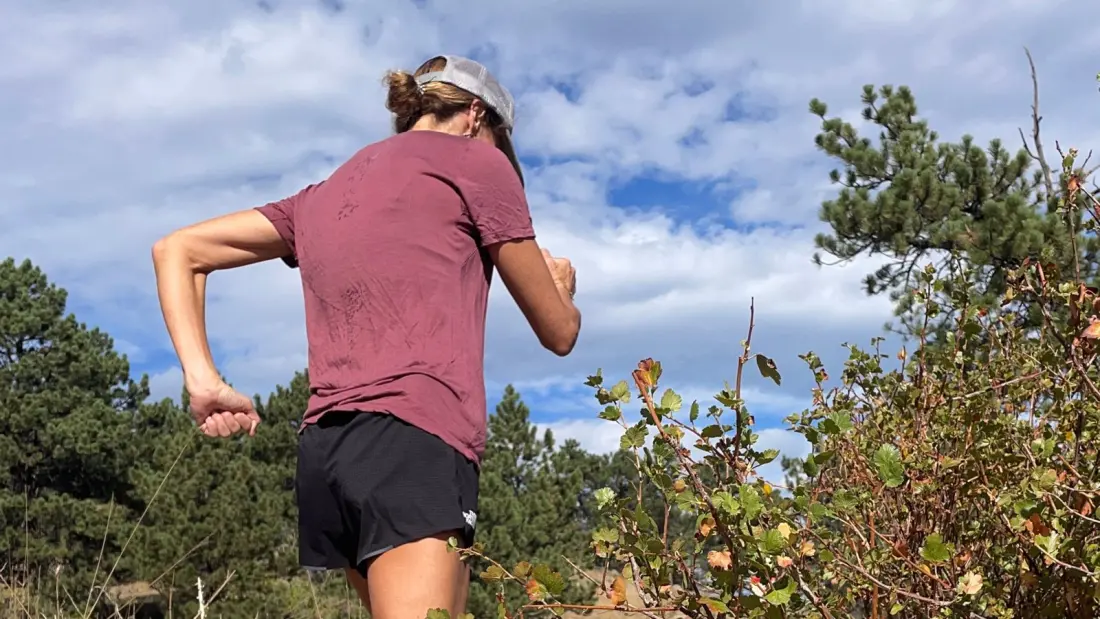
A trail runner based in Boulder, Colorado has made a simple seasonal switch that's paying off every time the temperature drops: swapping sweaty synthetic tees for Merino wool tops. Her reasoning, laid out in a recent gear column for Outside Online, goes well beyond comfort — and it translates neatly to travel.
The case starts with feel. A thin wool tee pulled on at 6 a.m. on a cold morning is soft and warm from the first second, unlike a cold, waxy synthetic that clings until you've warmed up. That same softness makes wool shirts wearable all day — to work, errands, or a train — with subtle styling and minimal branding, so you never look like you slept in your kit. For travellers who pack light, one shirt that works on the trail and in a cafe is genuine luggage savings.
Performance is the second pillar. Wool's crimped, coiled fibres trap air for insulation, yet the gaps between fibres keep the fabric breathable. The writer notes that even in 70-degree heat, any initial overheating passes within a minute or two as the shirt shifts from trapping heat to releasing it. And when it gets damp with sweat, wool stays close to body temperature — cooling without that clammy chill you get from synthetics. Odour resistance is the quiet bonus: wool shirts can go multiple wears without washing, which matters on multi-day trips and hut-to-hut treks.
There's an environmental angle too. Wool biodegrades; synthetic fabrics shed microplastics in the wash — a real concern for anyone who runs, swims or surfs in the ocean. That said, the writer isn't a fibre purist. Blending in nylon, spandex or Tencel adds stretch, durability and wicking, and all three of her recommended shirts are blends.
Her picks: the Woolx Addie Tee (85% Australian Merino, 12% nylon, 3% spandex), a stretchy 150g/m² shirt she's taken on Rocky Mountain hut trips and European train journeys; the Ibex Paradox Short Sleeve Crewneck (45% Merino, 45% Tencel, 10% nylon), the softest of the three and comfortable enough for all-day wear; and the Patagonia Capilene Cool Merino Blend Shirt (65% Responsible Wool Standard-certified wool, 35% recycled polyester), the thinnest at 115-120g/m², with an active cut and dropped hem for extra mobility.
Why should a holidaymaker care? Because autumn is peak season for active trips — trail running camps, hiking weekends, cool-city city-breaks — and packing one well-chosen wool tee can cover a morning run, a day of sightseeing and an evening out. It dries reasonably fast, resists smells between laundries, and regulates temperature across the swings of a shoulder-season day. If your travel wardrobe has room for exactly one technical shirt, wool-blend is the smart bet.
Story via Outside Online.