Mongolia has long been a summer destination — gers, grasslands, the Naadam festival. But increasingly, travellers are timing their trips for the coldest months, when the crowds vanish and the country takes on a completely different character. Here's what winter in Mongolia actually looks like.
Start in the north at Lake Khövsgöl, which freezes solid through the colder months and turns into a vast, walkable sheet of ice. It hosts an annual Ice Festival, where the programme includes ice sculptures, horse-sleigh racing, archery and various on-ice competitions. Standing on a frozen lake the size of a small sea is reason enough to make the trip.
Back in the capital, a new venue called Ayan Zalaat has opened, built around immersive cultural experiences. Visitors can watch traditional throat singing and Biyelgee folk dance — the latter recognised by UNESCO — performed at the on-site Mongolian Theater. There's also the Soma Temple, where you can spend time with a Buddhist monk and learn about teachings and mindfulness practices tied to Mongolia's centuries-old connection with Tibetan Buddhism. It's a convenient way to go deep on culture without leaving Ulaanbaatar.
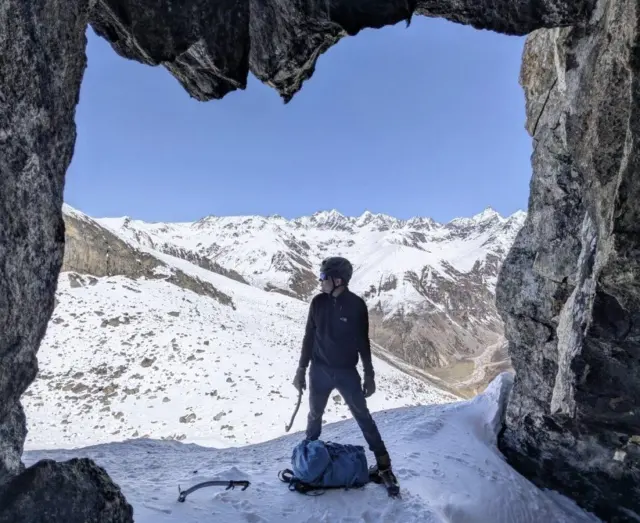
Then there's the Gobi Desert, which most people associate with scorching heat. In winter, it flips entirely: snow-dusted dunes, frozen valleys and genuinely extreme conditions that suit adventurous travellers looking for something few others have done.
Why does this matter now? Crowded, obvious destinations are losing their appeal for a growing number of travellers, and cold-weather, off-season escapes are having a moment. Mongolia fits that brief almost perfectly — big distances, thin crowds, and winter experiences (a frozen lake festival, a desert under snow) you simply can't get in July. Pack properly, as temperatures are brutal, but if solitude and scenery rank higher on your list than comfort, this is the season to go.