A map of the world's coffee trade shows an odd shape: almost every major producer sits near the equator, while the countries drinking the most sit far away from it. Vietnam Insider has pulled together USDA data for the 2024/25 season that makes the divide plain — and argues Vietnam is perfectly placed to change its role in the story.
The numbers first. Brazil is the giant, harvesting 65.5 million 60-kilo bags, with Vietnam second at 29 million, ahead of Colombia (14.8 million), Ethiopia (11.5 million) and Indonesia (10.7 million). Brazil and Vietnam alone account for roughly 5.67 million metric tons of coffee, and USDA forecasts suggest both could hit record output in 2026/27 — 71.9 million bags for Brazil and 32.5 million for Vietnam. Vietnam's specialty is robusta, the punchy variety behind instant coffee, espresso blends and the country's beloved phin-filter brew.
Flip the map to consumption and the picture inverts. The US drinks 26.1 million bags a year, Brazil 22 million, then Japan, the Philippines and China — with the EU collectively slurping 41.2 million. Brazil is the only country on both lists, consuming about a third of what it grows. That domestic market cushions Brazilian producers when global prices swing. Vietnam has a serious coffee culture of its own, yet remains exposed to commodity markets where roasting, branding and retail — where most of the money actually sits — happen elsewhere.
The country's fix, per the report, is moving up the chain: premium roasted beans, specialty robusta, instant and ready-to-drink products, and recognisable coffeehouse brands. Vietnam has raw material few can match culturally — phin coffee, condensed-milk classics, Hanoi's famous egg coffee — experiences that don't travel through a commodity contract. And just across the border sits China, already drinking around 5.9 million bags a year with a fast-growing café scene, a natural first market for finished Vietnamese products rather than raw exports.
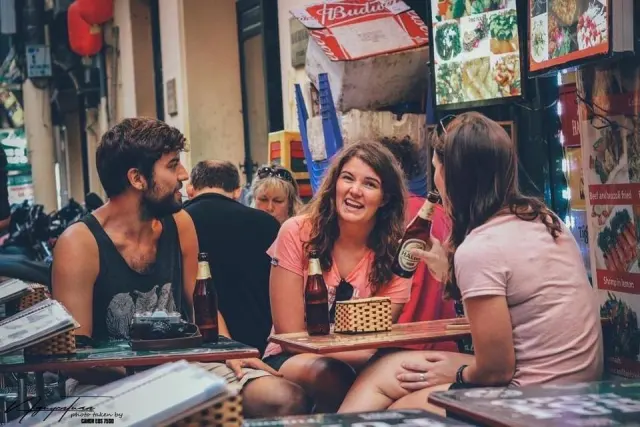
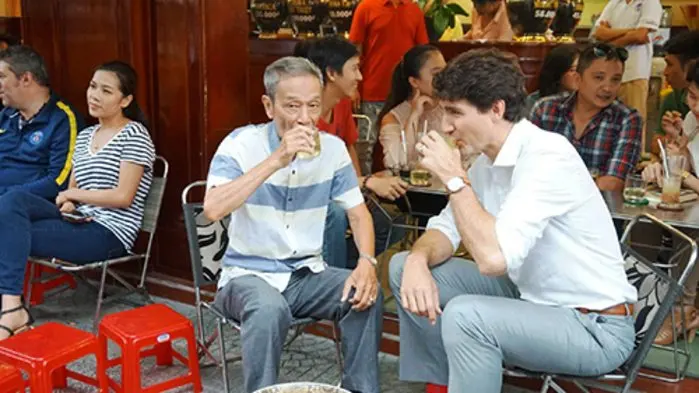
Why should a traveller care? Because Vietnam's coffee scene is one of the best reasons to go. Ca Phe Phin Cong, street-side plastic stools in Saigon, egg coffee in the Old Quarter — it's cheap, distinctive and increasingly backed by homegrown brands you'll soon see abroad. If the strategy works, trips built around Vietnamese coffee culture — Dalat's highlands, Buon Ma Thuot's coffee museums, city café crawls — will only get richer. Go before the world catches on properly.