Three separate wildlife wins have landed in one corner of New South Wales, and two of them come with a direct invitation to travellers. Australian Geographic's latest Wild Wins roundup covers healthy koalas in the Lower Hunter, an emergency snail rescue from Norfolk Island, and a citizen-science birding task near Kurri Kurri.
The biggest headline: an estimated 2,337 koalas are living across the Sugarloaf-Stockrington landscape near the Lower Hunter — far more than researchers expected. Better still, University of Newcastle scientists found no active chlamydia in any of the 27 wild koalas they tested (nor in 27 more from nearby rescue records). Since chlamydia devastates koala populations across much of Australia, that could make this one of very few disease-free colonies in NSW. The team found the animals using thermal-imaging drones, then confirmed health through scat analysis. There's a catch: the population's isolation likely helped keep disease out, but it also limits genetic diversity, so wildlife corridors linking them to other koalas matter for the long term.
On Norfolk Island, a snail the size of a pinky fingernail has been pulled back from the brink. The golden-haired Norfolk Island hairy snail, feared extinct, was found alive by Australian Museum malacologist Dr Isabel Hyman in one small reserve. With numbers then dropping and invasive Argentine ants moving in, 30 snails were flown to Taronga Zoo Sydney in August for an emergency breeding program — and within a month they'd started producing live young. Norfolk Island hosts around 60 unique snail species, and land snails hold the grim record for recorded extinctions of any animal group.
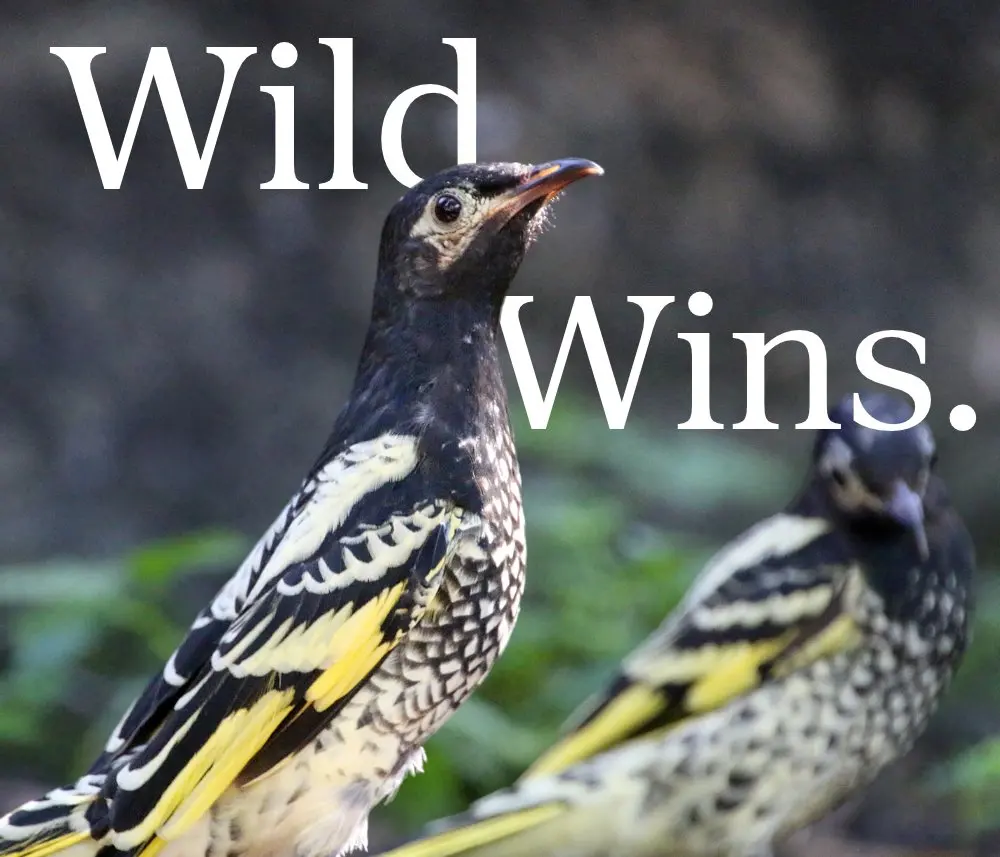
Finally, birders have a job to do. Forty-six zoo-bred regent honeyeaters — a critically endangered species with perhaps just 300 left in the wild — were released in October into woodland near Kurri Kurri in the Lower Hunter Valley. The release came from a partnership between Taronga, BirdLife Australia, the Mindaribba Local Aboriginal Land Council and the NSW Government. BirdLife is asking anyone in the area to report sightings, ideally with photos and notes on leg bands. With fewer than 250 birds spread across the region, every report counts.
Why care as a traveller? The Lower Hunter is an easy add-on to a NSW trip — wine country with surprisingly rich wildlife on its doorstep, about two hours' drive from Sydney. Norfolk Island, an Australian territory in the South Pacific, rewards visitors who look beyond its beaches to rare endemic species found nowhere else. And if you're the type who travels with binoculars, reporting a regent honeyeater is one of the simplest ways to make your hobby useful.