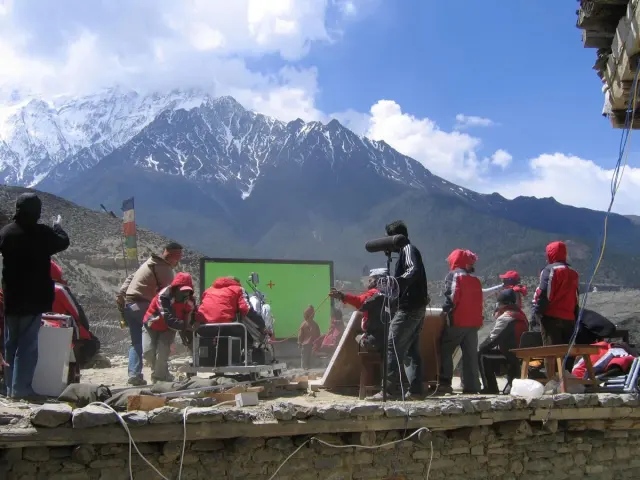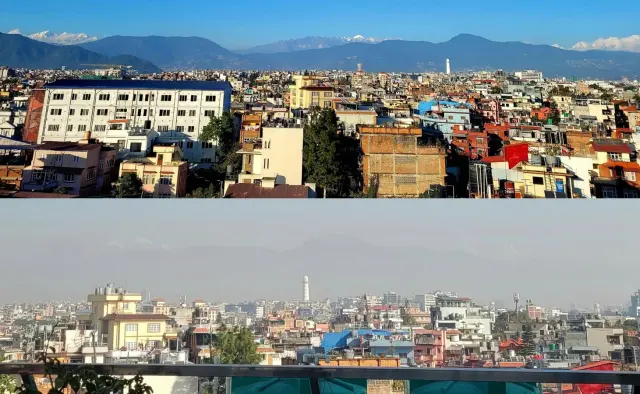
At the COP31 plenary in Antalya, Türkiye, a Nepali MP made a point that stuck with delegates: Nepal has become the world's exhibit of climate breakdown, and it wants to be something else too — the exhibit of how the world responds.
The speech, reported by Nepali Times, laid out a version of "just transition" that sounds little like the usual fossil-fuel jobs debate. Nepal produces almost no oil or coal of its own, so it buys petroleum and coal abroad and absorbs the price shocks that come with them. Its answer is to swap those imports for homegrown hydropower — the country already generates nearly all its electricity from clean sources and is pushing electric vehicles and public transport.
Then came the warning. On 26 August, a rock and ice avalanche tore down the Bhote Kosi valley in a matter of minutes. The damage was staggering: fourteen hydropower projects severely damaged, close to 750 megawatts of clean generation knocked out, and a reconstruction bill estimated at roughly 10% of Nepal's entire GDP. Engineers, technicians and labourers lost their livelihoods overnight, and investor confidence in the sector took a serious hit.
The wider context makes the imbalance obvious. Nepal accounts for less than one tenth of one percent of global greenhouse gas emissions, yet sits among the countries absorbing the harshest consequences. Its community forestry — run for over four decades by local villages, Indigenous Peoples and women — has turned Nepal's forests into a net carbon sink, and the country has pledged net zero by 2045.
The MP's core argument: a transition can't be called just if climate disasters keep demolishing the clean infrastructure a country builds. Nepal wants climate finance and support to protect vulnerable communities from impacts it didn't cause — and it's asking to be seen not just as a victim, but as a test case for global response.
For travellers, this is not abstract news. Nepal's rivers power its electric buses, its trails and villages depend on the mountain environment, and monsoon-season landslides regularly close the roads trekkers and road-trippers use. The Bhote Kosi corridor itself is part of the route towards popular areas near the Tibet border. Understanding that climate risk here is immediate — not a distant forecast — helps you plan smarter: build buffer days into itineraries in monsoon, check road and trail conditions before heading into hill districts, and travel with operators who take weather and safety seriously.
Story credited to Nepali Times.