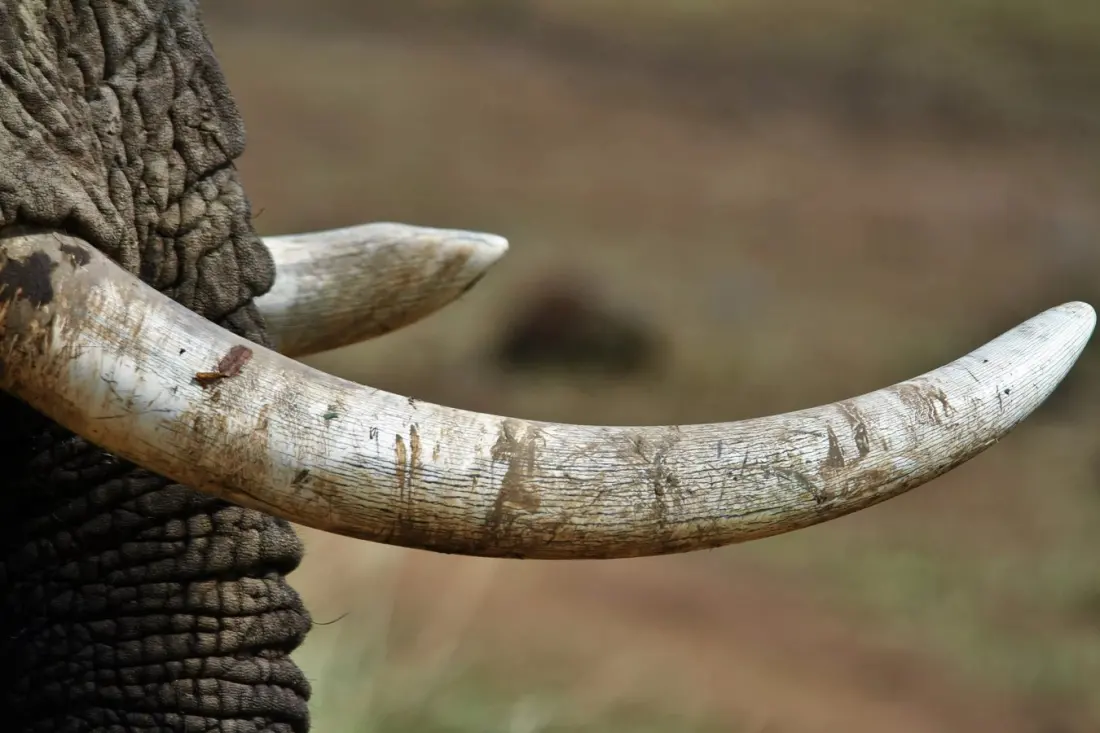
A carved bracelet in an online marketplace photo looks like any other trinket until you ask what it's made from. That's the problem a team from the University of Helsinki and the International Fund for Animal Welfare (IFAW) set out to solve. They've built an AI tool that flags likely elephant ivory, pangolin scales and tiger claws in photographs, giving investigators a way to prioritise suspicious listings among thousands of ordinary adverts.
The researchers trained the system on nearly 40,000 images collected through wildlife trade monitoring in China between 2008 and 2023 — a mix of online adverts, market inspection photos and publicly reported seizures. Crucially, the dataset also included innocuous items that mimic the real thing on camera. A slice of dried herbal medicine can look remarkably like a pangolin scale, which is exactly why human eyeballing alone struggles.
The best-performing model hit 84.2% overall accuracy, but the details matter. Pangolin products were recognised in 93.6% of cases and tiger products in 90.3%. Elephant products lagged at 71.1%, because carved ivory jewellery and ornaments are genuinely hard to tell apart from bone or resin lookalikes.
The tool has been built into a prototype smartphone app. Upload a saved image or snap one on the spot, and the app draws a box around the object it has flagged — handy when a photo contains several items and a reviewer needs to know which one raised the alarm. In a separate test using 138 images, that prototype reached 91.3% accuracy.
Importantly, the researchers are careful about scope. A flag from the app isn't proof of anything; an investigator would still need to open the listing, examine it properly and gather further evidence before deciding whether a sale breaks the law. The team also wants to test whether reading the listing's text alongside the photo would sharpen the screening further. And a bigger open question remains: the trials show the tool recognises objects well, but whether faster triage actually translates into fewer illegal sales hasn't been proven yet.
Why does this matter to travellers? Wildlife souvenirs — carved ivory bracelets, pangolin scale 'medicine', tiger claw charms — are illegal to buy and bring home in most countries, and the trade increasingly happens online before it ever crosses a border. Tools like this push enforcement into the digital channels where those sales start, which in time means fewer of these products reaching markets that tourists wander through. It's also a useful reminder for your own shopping: if you can't tell what something's made from, neither can a quick glance — ask, or walk away. The most immediate value here is practical: in a marketplace flooded with lookalike objects, the app helps investigators decide which advert deserves a second look first.
Story reported by Getaway South Africa, drawing on Earth News.