Vietnam's dining scene is having a moment of self-confidence. Chefs in HCM City, Đà Nẵng and Phú Quốc say the country's food culture is moving beyond imported produce and copying Western fine dining — instead doubling down on local ingredients, texture and the stories behind each dish.
"The future of Vietnamese cuisine lies in its identity," says chef Summer Lê of Nén restaurant, one of the voices behind the shift. In her view, luxury now means locality, research and cultural depth rather than expensive foreign ingredients — and diners are responding, asking more about where their food comes from and why it matters. She expects the scene to keep growing, especially in Đà Nẵng and Phú Quốc, where restaurants are digging deeper into Vietnamese ingredients and storytelling.
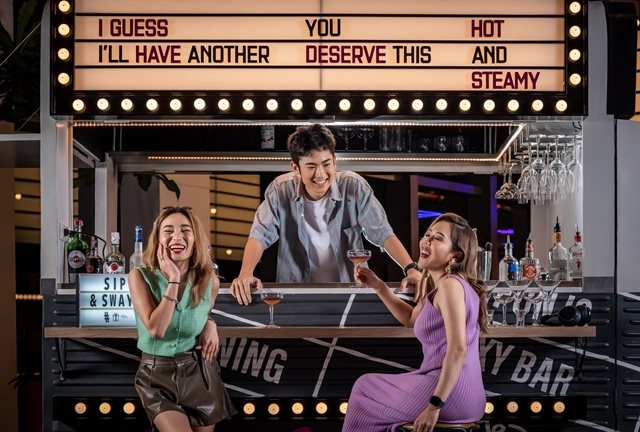
The numbers back the mood. Marriott International's Future of Food 2027 report, covering Asia-Pacific outside China, found 52% of surveyed establishments in Vietnam serving more dinner guests, and a striking 71% seeing more business in bars and lounges — the highest figure in the region. People aren't just eating out more; they're socialising around food in looser, more flexible spaces.
Vietnamese palates also have their own signature. Only one in ten surveyed venues said guests regularly order very spicy dishes — Vietnamese diners generally prefer aromatic, layered flavour over brute heat. And texture remains the through-line of the cuisine: the crunch of bánh mì, the play of fried dough sticks and shallots in phở, the fresh herbs, pickles and peanuts that give each bowl its character.
A younger crowd is changing how restaurants work, too. Chef and food writer Anaïs Ca Dao notes that ambience, lighting and aesthetics now influence where people book as much as the menu does, with social formats like hot pot drawing fresh interest. At Akuna in HCM City, head chef Sam Naisbett has dropped the idea of a fixed signature menu, instead rewriting dishes each season — his current lineup pairs smoked pork jowl with scallop in XO sauce, braised daikon, termite mushrooms and a grilled seafood broth.
The regional picture mirrors all this. Ninety-five per cent of properties surveyed across Asia-Pacific named demand for authentic local signature dishes as their market's biggest trend. Nearly half reported growing appetite for casual venues, often in compact 40–60 seat rooms with a strong identity. Even fine dining is speeding up: 58% of properties said the average tasting experience now runs 1.5 to two hours, trading marathon menus for memorable meals that fit a busy evening.
For travellers, this is good news on the ground. Vietnam is one of the best places in Asia right now to eat ambitiously without formality — expect seasonal menus built on Vietnamese produce, smaller rooms with real personality, and bars and lounges that have become destinations in their own right. Book the tasting menus, but leave room for a street-side bowl too; the high and low ends are telling the same story. Full details via Vietnam News Life.