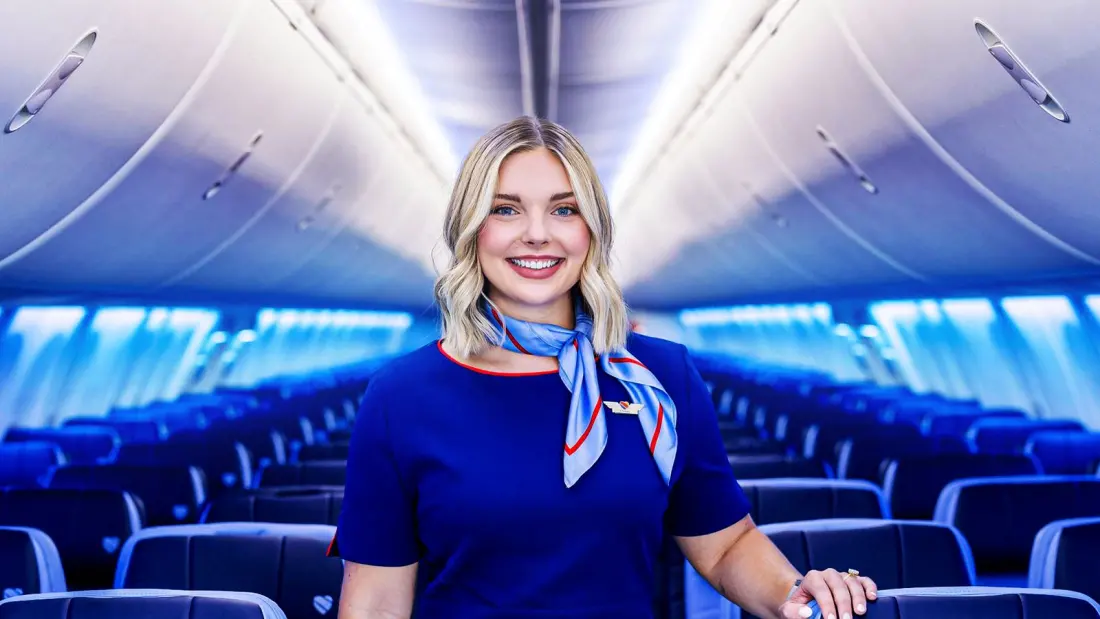
As of January 27, 2026, Southwest Airlines no longer lets you pick any seat you fancy. The Dallas-based carrier has scrapped its famous open-seating policy after 54 years, assigning every passenger a specific seat and slotting travellers into eight boarding groups instead. It is the biggest operational change in the airline's history.
The old system was iconic: you checked in exactly 24 hours before departure, got a boarding letter and number, then queued at numbered gate posts to claim whatever seat was free. Southwest says the writing was on the wall, though. Its research found 80% of existing customers and 86% of potential customers wanted assigned seating, and open seating was the top reason people picked a competitor instead.
Money is the other driver. Assigned seats let Southwest sell what it could never sell before: premium spots. Extra-legroom seating is now available on every flight, and the airline has rebuilt its fares into four tiers — Basic, Choice, Choice Preferred and Choice Extra. Higher tiers come with better seats and earlier boarding, while Basic passengers get a seat assigned at check-in and board last. The company expects its 2025-2026 initiatives to add $1.8 billion in earnings before interest and taxes, with the new seating model alongside bag fees and other changes doing much of the heavy lifting. Investors, who had been pushing hard for better returns, are watching closely.
The rollout has been bumpy. The first weeks brought crowded gate areas and packed overhead bins — a problem worsened by the simultaneous end of the beloved 'bags fly free' policy, which gave passengers more reason to carry everything aboard. Ironically, groups one and two were still being told to line up early, despite assigned seating supposedly killing the gate scramble for good. The airline has already had to adjust its boarding process in response.
The reputational hit has been real. In the American Customer Satisfaction Index's 2026 study, Southwest scored 77, down from 80, and lost the top spot to Delta (79). Ratings dipped for crew and gate staff courtesy, though the study stops short of blaming the seating change specifically — Southwest is changing fares, bags, credit cards and international strategy all at once, so it's hard to isolate one cause.
What does this mean for travellers? If you're flying with family or colleagues, you'll appreciate the certainty of guaranteed seats together — no more boarding as a group and praying for space. But you'll now need to think about seat selection when booking, and paying for Choice Extra gets you extra legroom and priority boarding. Elite status holders and some Southwest credit card holders get boarding perks too. The airline remains a 737 giant with 803 aircraft, so this affects a huge share of US domestic flying. The core tension is clear: Southwest wants competitor-style revenue without losing the simplicity that made people love it in the first place.