France saw a wave of coordinated demonstrations on Saturday as the Yellow Vest movement returned to the streets, joined by students and labour unions angry over the cost of living, stagnant wages and police tactics. Roughly 140 protest actions were recorded outside the Paris region alone, involving more than 32,000 people, with over 600 demonstrations planned nationwide under the slogan "yellow and youth."
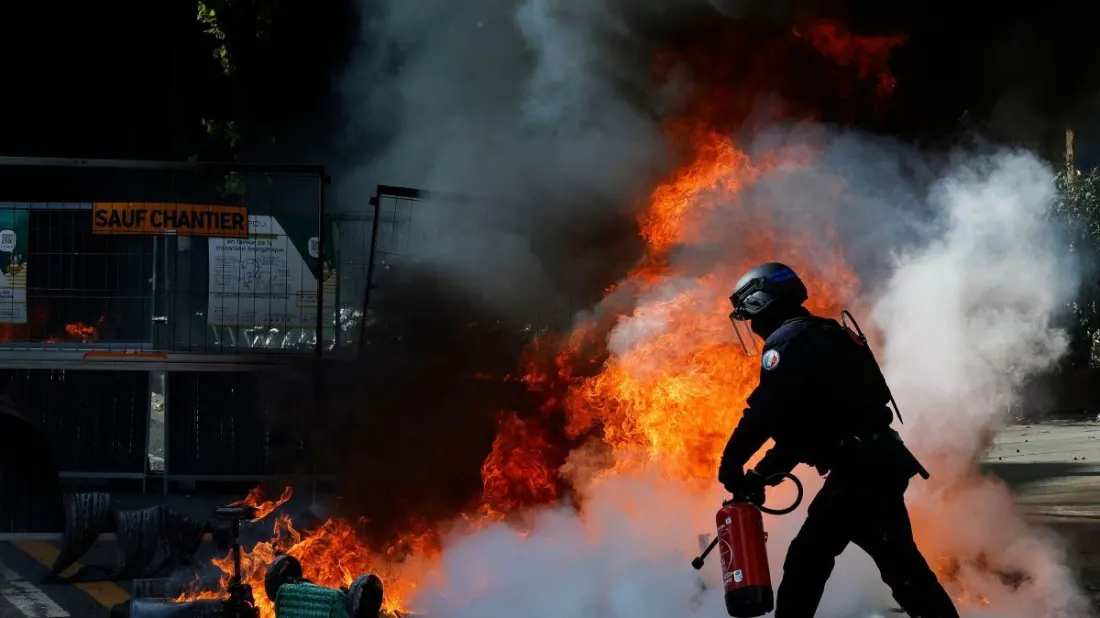
The flashpoints were familiar tourist territory. In Paris, police fired tear gas and used water cannons around Place de la Republique, and authorities closed metro stations while banning gatherings near government buildings, the Champs-Elysees and major railway stations. About 60 people were detained in the capital by Saturday morning, with at least 166 arrests nationwide. In Marseille, masked demonstrators broke into City Hall and damaged shops and a police station; Rennes, Toulouse and Angers also saw violence, including fires and attempted looting.
The unrest has been building since mid-September, when student-led protests over education funding began. Tensions escalated after a 15-year-old lost a hand to a police stun grenade, prompting Interior Minister Laurent Nuñez to suspend that weapon's use against young demonstrators. Greta Thunberg even turned up at a high school in Saint-Denis, drawing international attention. The timing matters for visitors: the mobilisation deliberately coincided with the school half-term holidays to widen participation.
Behind the protests is a grim economic picture. Fuel prices have climbed since the U.S.-Iran war broke out earlier this year, a survey found 45% of French people worry most about inflation and living costs, and public debt is projected to top 120% of GDP next year. With a presidential election approaching, figures like Jean-Luc Melenchon and Marine Le Pen are already courting the discontent.
For travellers, the practical takeaway is simple: none of this makes France off-limits, but it can disrupt a trip. Protest dates circulate on social media in advance, so check local news before setting out on a city day. If a demonstration is scheduled, avoid the route, expect metro station closures and detours around major squares and stations, and keep distance from any crowd-control operation. Attractions near government buildings or iconic avenues may close early or be harder to reach. Museums and intercity trains usually run normally, but allow extra time on protest days.
Who should care most? Anyone with a city break booked in Paris or Marseille over the coming weeks, especially during the half-term period, when further actions are likely. A flexible itinerary and a plan B for transport will go a long way.