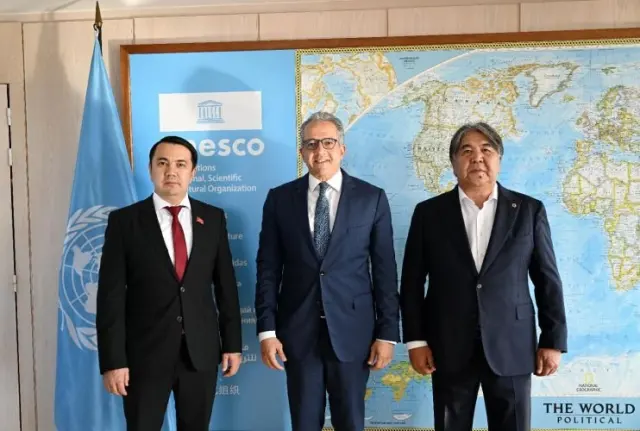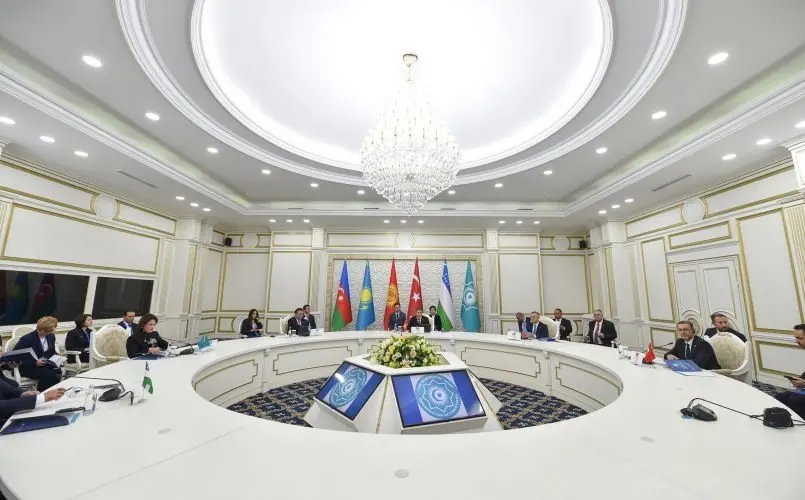
Kyrgyzstan's capital played host to the sixth meeting of the Organisation of Turkic States (OTS) Health Ministers, bringing together officials from member countries to hammer out how their healthcare systems can work more closely together. The joint declaration signed at the end covers a lot of ground, but for travellers the headline item is medical tourism: the states agreed to develop it as a shared priority, alongside a concrete plan to make crossing borders for treatment far less bureaucratic.
The most practical outcome is a pilot scheme slated for 2027 using electronic medical referrals and discharge summaries. In plain terms, that means if a citizen of one OTS country is referred for treatment in another, their records and aftercare arrangements could travel with them digitally — with the receiving hospital and post-return follow-up care clearly coordinated. Mechanisms for referring citizens to hospitals abroad will also be streamlined, which could eventually make medical trips across the Turkic world a far smoother proposition.
Beyond patient movement, the ministers agreed to build a joint procurement mechanism for medicines and medical devices, a move aimed at shoring up supply chains and keeping drug costs and availability stable across the region. Cooperation under the Turkic Pharmacopoeia — a shared standards framework for medicines — continues too, alongside the TurkEMT emergency medical team initiative.
Technology featured heavily. Kyrgyzstan pushed for common approaches to using artificial intelligence responsibly in healthcare, with safeguards around patient data, clinical effectiveness and doctors keeping final responsibility for decisions. Cross-border telemedicine consultations are on the table as well, provided national data protection laws are respected. The declaration also commits members to exchanges of specialists, researchers and students, scholarship and short-term training programmes, joint research into noncommunicable disease prevention, and even cooperation on transplantation, genomics and making medical infrastructure resilient to climate shocks.
Why does this matter if you're not a health policymaker? Because it signals that the Turkic states — including Kyrgyzstan, Turkey, Kazakhstan, Uzbekistan and Azerbaijan — are actively positioning themselves as a connected region for medical care. If you travel in Central Asia or Turkey and fall ill, or you're considering treatment abroad where costs are lower, the next few years should see referral, records and aftercare become noticeably easier across these borders. The next ministerial meeting moves to Turkey, where this agenda will keep developing.