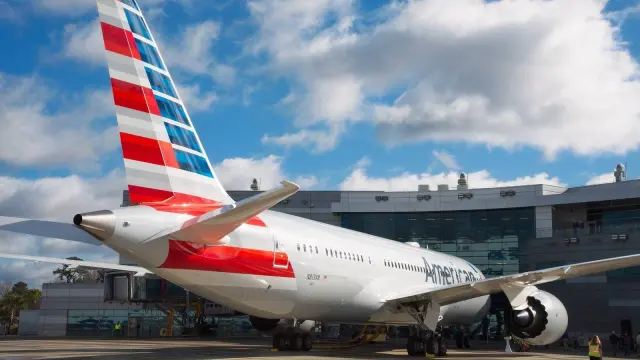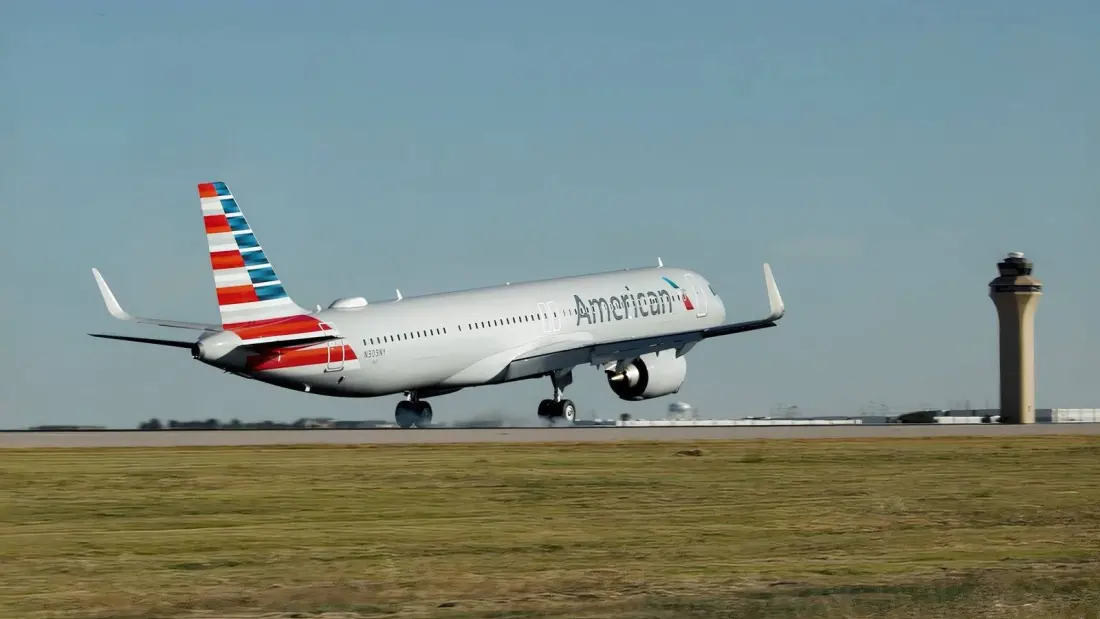
American Airlines has quietly started flying its newest long-haul narrowbody, the Airbus A321XLR, on routes it never planned to serve. This weekend the type appeared on a nonstop between Los Angeles and Charlotte Douglas International Airport, a big step outside its usual haunts on premium transcontinental trunk routes and transatlantic sectors.
For anyone onboard, the upgrade was real. The A321XLR carries 155 seats, including 20 Flagship Suites with lie-flat beds and sliding privacy doors, plus 12 Premium Economy seats ahead of 123 Main Cabin seats. Compare that with the A321neo American normally runs on the LA-Charlotte route, and it's the difference between a recliner and an international-grade business class product. Ten of these jets have joined the fleet since the first delivery in October 2025, and until now they've been concentrated on routes like New York JFK or Boston to Los Angeles and San Francisco, plus markets such as Edinburgh.
Charlotte was originally considered a low priority for the type, with New York and Philadelphia penciled in instead. The weekend swap suggests American is getting comfortable mixing the jet into its secondary hubs to keep utilization high — and it hints at how Charlotte's thinner long-haul routes might eventually be served. The airport currently relies on widebodies for its year-round Frankfurt, London Heathrow, Madrid and Munich flights, plus seasonal service to Athens, Dublin, Paris, Rome and Barcelona.
Charlotte is very much American territory. The airport handled roughly 51.9 million passengers in 2025, down from 57.2 million the year before, and American controls a striking 89% of flights there. Delta, the nearest rival, holds just 3%. The busiest routes are domestic — Orlando, Dallas/Fort Worth and LaGuardia top the list — with Heathrow, Cancun and Punta Cana leading international traffic.
Why should a traveller care? If you're booked on a transcontinental or long-haul American flight, it's worth checking the equipment. Getting an XLR as a substitution means a lie-flat seat and privacy doors on a route where you'd normally expect a standard recliner — a genuine free upgrade in comfort. And if the pattern holds, more secondary hubs could start seeing these jets as American builds experience for the long, thin international routes the type was bought for. Keep an eye on your flight details before you fly; seat maps don't always advertise the swap in advance.