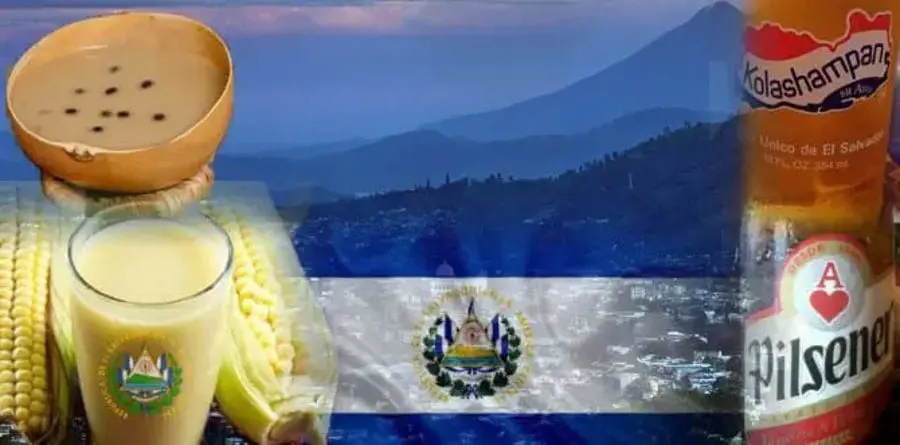
Order a pupusa in El Salvador and you'll likely be offered a glass of horchata de morro alongside it. It's not the rice-only version you may know from Mexico — the Salvadoran take is built on roasted morro seeds, blended with rice, sesame and cinnamon for a nutty, cold drink that's become something of a national signature.
Horchata is just the start. The country's non-alcoholic drinks, known as frescos naturales, turn local fruit into refreshments you won't easily find elsewhere. Fresco de ensalada is a hybrid of drink and fruit salad — chopped pineapple, apple and marañón (cashew fruit) floating in sweetened liquid. Fresco de chan is worth trying for the texture alone: chan seeds soak in water and develop a jelly-like coating, giving the lemon-and-sugar drink a slippery, unusual consistency. There's also tangy tamarindo, pink barley-based cebada, and the harder-to-find arrayán and marañón versions, which depend on the harvest.
Corn is the other big story. El Salvador's atoles are warm, thick drinks with deep Mesoamerican roots. Atol de elote is the crowd-pleaser — fresh ground corn cooked with milk, sugar and cinnamon into a smooth, lightly spiced drink, common at markets, festivals and family gatherings. Its wilder cousin, atol shuco, uses fermented dark or purple corn for a sour, earthy flavour, traditionally served hot in a bowl made from a dried morro gourd, topped with beans, ground squash seeds and chilli. Vendors sell it in markets and small-town squares, mostly in the late afternoon. Then there's chilate, a pre-colonial recipe of ground corn and water, unsweetened and spiced with cinnamon or cloves, typically paired with nuégados, fried dough in sweet syrup.
For something fizzy, look for Kolashampan — a bright orange Salvadoran soda with caramel and vanilla notes that locals treat as a point of national pride. And coffee deserves attention too: high-grown Arabica from the country's mountain regions is behind both everyday cups and a growing specialty café scene, and you can visit growing areas to see the process.
On the stronger side, chicha is a fermented drink with pre-Columbian origins, historically made from corn and later sweetened with sugarcane; commercial versions are now sold legally, though homemade batches still circulate in some towns. Chaparro is a rough rural sugarcane spirit. Beer drinkers should try Pilsener, the crisp local lager, or Suprema, its smoother, richer sibling — both go well with pupusas.
The easiest way in is simply to eat where locals eat. Markets offer horchata, frescos and hot atoles; traditional restaurants list tamarindo and cebada next to the food; and patron saint festivals and town celebrations are where you'll find regional specialities that rarely appear on printed menus. Hot chocolate is another morning ritual — made with roasted cacao, it's lighter and less creamy than European styles but with a bigger cacao punch, best with sweet bread.
For travellers, these drinks are a low-effort, high-reward route into Salvadoran culture: no guide needed, just a seat at a market stall and a willingness to try something with an odd texture or a sour edge.