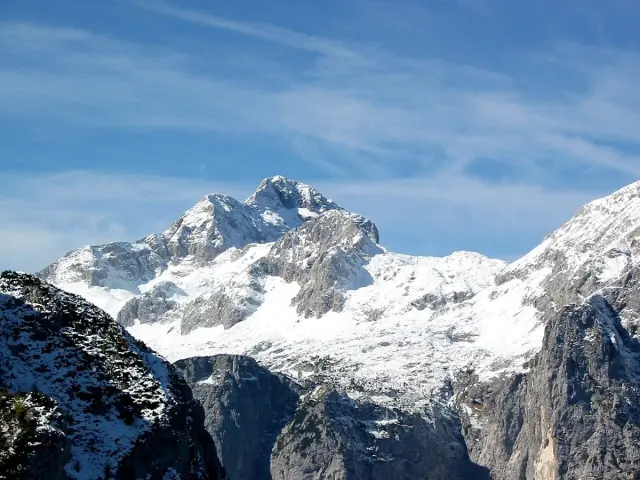
Tucked into the B.C. Rockies next door to Banff and Lake Louise, Yoho National Park packs an outsized amount of drama into a small footprint — think towering waterfalls, glacier-fed lakes and fossils half a billion years old. Established in 1886, it protects part of the Continental Divide, and autumn is a prime time to see it: cooler air, golden larches and far thinner crowds than peak summer.
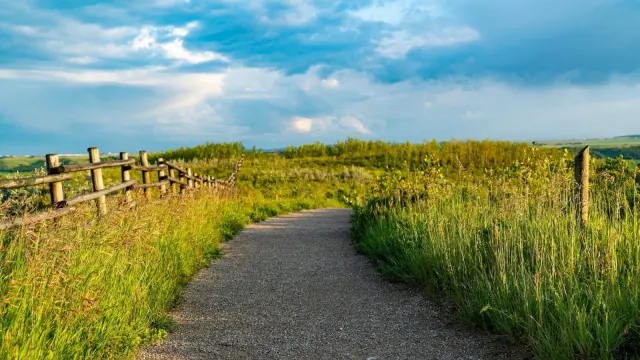
The park's headline hike for many is Lake O'Hara, regularly billed as one of the most spectacular spots in Canada. Access is deliberately limited — you either walk in or take the Parks Canada bus, which keeps the area blissfully quiet. Cyclists have a good option too: the paved Great Divide trail out to Lake Louise, marked by a historic archway at the divide, takes roughly two hours round trip and starts from the Lake O'Hara parking lot.
Yoho also has a serious claim to scientific fame. In 1909, Charles Doolittle Walcott discovered the Burgess Shale, a fossil bed preserving creatures from a shallow sea that once covered the B.C. interior — soft tissues like eyeballs and brains, some 500 million years old, still intact. Guided hikes run to three sites, including Mount Stephen with its fossilised trilobites; two of the sites are UNESCO-listed and normally off-limits. Just note the fossil season runs May to September, so it's a summer-and-late-summer draw rather than a fall one.
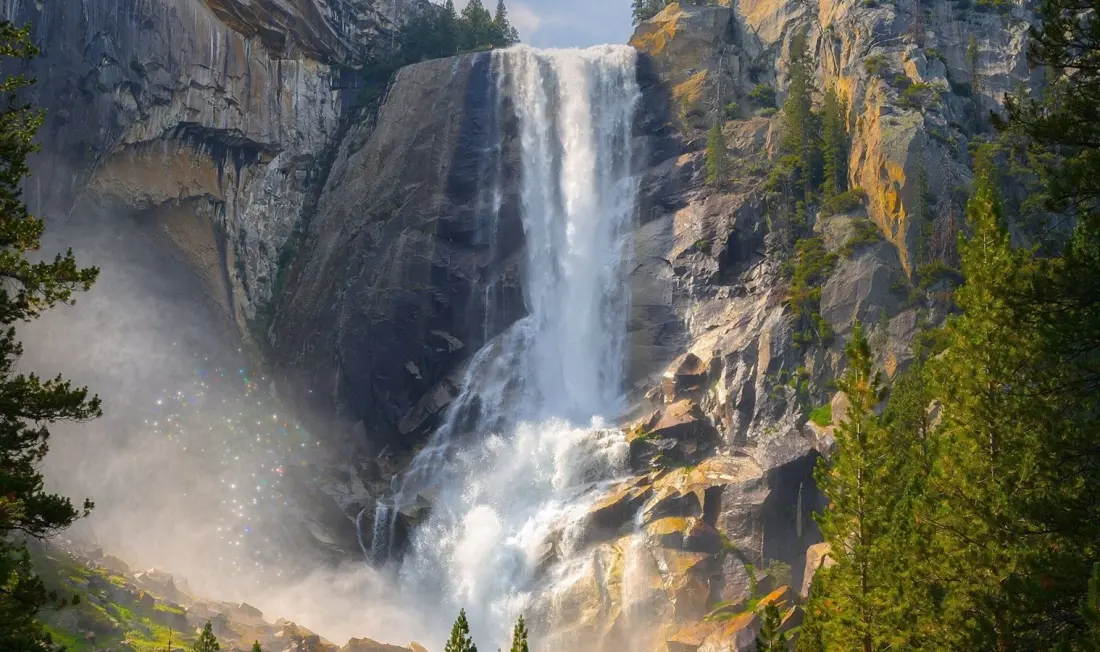
For autumn walking, the easier routes shine. Takakkaw Falls — one of Western Canada's highest at 384 metres, its name from the Cree word for "magnificent" — sits at the end of a flat, simple trail. The family-friendly path along Kicking Horse River to Wapta Falls is another solid pick, though the two-kilometre access road closes from late October to late May. The gravel loop to Emerald Lake gives mountain and glacier views with minimal climbing, but pack proper footwear; the trail gets muddy and rooty. Experienced hikers can branch out in Little Yoho Valley or along Kicking Horse Fire Road, where side trails lead to quieter destinations.
A few practicalities matter here. Trails above tree line (around 2,000 metres) carry avalanche risk year-round, especially from November to June, so check conditions before you commit. Weather swings fast in the Rockies — layer up and carry your own water — and standard wildlife safety applies.
Getting there is the main logistics exercise: about eight and a half to nine hours by car from Vancouver via the Trans-Canada Highway and BC-5 N, or a much more manageable two and a half hours from Calgary. If you're planning a Rockies road trip, Yoho is an easy add-on from Banff or Golden and rewards you with scenery that rivals its better-known neighbours without the parking-lot scrums. Just go before the snow sets in.