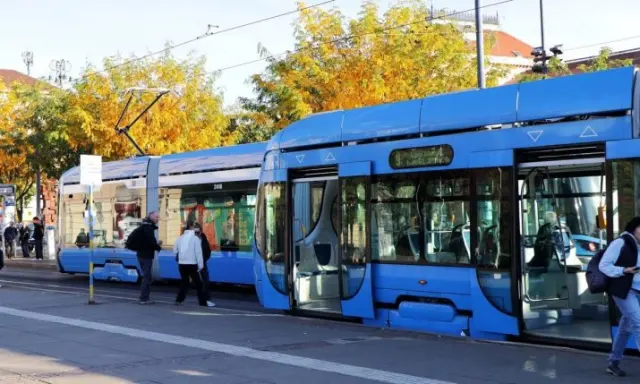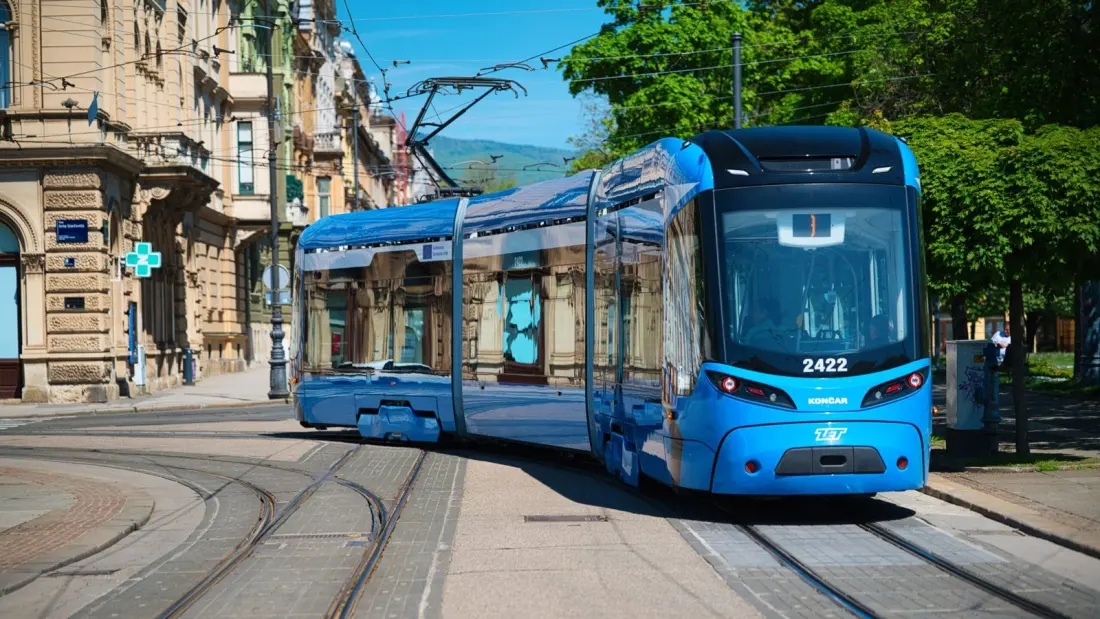
Zagreb's tram network is in the middle of its biggest shake-up in years. The city has signed off on buying 20 extra long low-floor trams from local manufacturer Končar – Electric Vehicles, at a price of €69.8 million before VAT. All 20 are due within 36 months, and each one will roll off the production line in Zagreb itself — a point of pride for the mayor, who notes few European capitals can say their trams are locally built.
The new vehicles are a serious upgrade in capacity: 34.6 metres long, 51 seats, room for up to 208 passengers in total. The low-floor layout matters too — step-free boarding makes life easier for anyone with limited mobility and parents pushing prams, which is exactly the kind of detail you notice when you're a visitor hopping between stops.
This order slots into a much bigger modernisation of ZET, the city's public transport operator. Between 2021 and 2026 the city has sunk €212.4 million into new vehicles — 258 buses and 39 trams — with roughly €164 million more in the pipeline, pushing total planned investment to around €376 million. The previous tram order, 40 low-floor vehicles worth €77.7 million largely backed by EU funds, is nearly complete: 30 have arrived and the last 10 are in delivery. Older Type 2200 trams will also get a €10 million refresh.
For anyone actually riding the network, the change most likely to affect your route is the new tram line on Sarajevska — the first genuinely new line in Zagreb in over 25 years, funded with €11.7 million of the city's own money and opening soon. Buses are going electric as well: 62 new e-buses entered service this summer after a charging hub opened in Podsused, and another 100 (worth about €75 million) are being procured. The overhaul extends to the funicular, turning loops, the power grid and new ticketing and monitoring systems.
Why should a traveller care? Zagreb is one of Europe's most walkable capitals, but its trams are the backbone of getting around — they connect the main station, Ban Jelačić Square, Upper Town's edges and the outlying neighbourhoods where prices are friendlier. More frequent, roomier, step-free vehicles mean shorter waits and easier journeys, especially if you're travelling with luggage or small kids. And with Croatia's capital increasingly pitched as a year-round city break — Christmas markets in December, café terraces by spring — smoother public transport makes squeezing more into a weekend far easier.
It's also a good sign for the longer term: a city willing to spend hundreds of millions on clean buses, new track and modern trams is one that's treating everyday mobility as part of its appeal, not an afterthought. If your last visit involved squashing onto a tired old carriage, the next one should feel noticeably different.