While European scientists warn that industrial livestock farming is polluting the continent's water, Croatia is moving ahead with two dozen large-scale farm projects. That contradiction sits at the centre of a dispute that matters to anyone who cares about one of Europe's most remarkable river landscapes.
A 2026 report from the European Commission's Joint Research Centre finds that manure from intensive livestock operations is contaminating groundwater and surface water with nitrates, sometimes exceeding what land can safely absorb. The existing EU limit of 50 milligrams of nitrates per litre may not be enough to protect aquatic ecosystems — pollution can linger for years even after levels drop. A group of Danish experts has gone further, recommending the drinking water limit be cut to 6 milligrams per litre due to a possible raised risk of colorectal cancer. The report also flags phosphorus build-up in soil and ammonia emissions that feed fine particulate pollution linked to respiratory and cardiovascular disease.
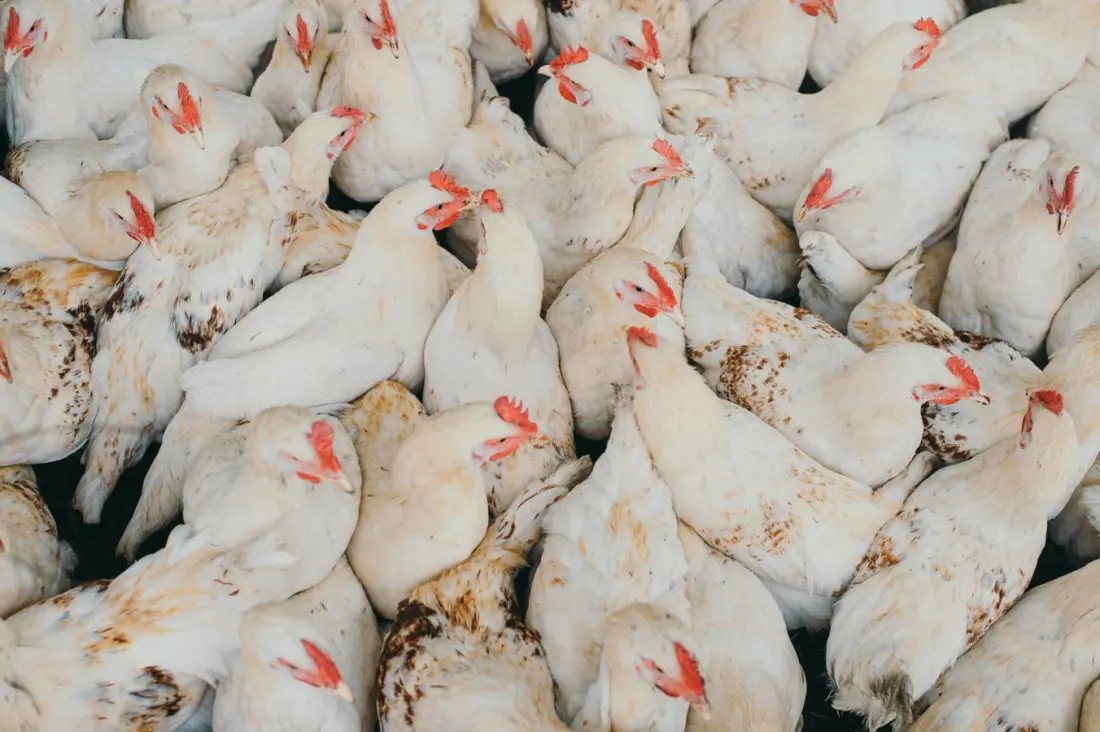
In Croatia, the animal welfare group Friends of Animals says two foreign investors have lined up more than 20 large farms and slaughterhouses across four counties, with combined capacity for over 200 million chickens a year. Public opposition has already stopped 12 of the 24 projects, but several investors are pressing on. The flashpoint is Veliki Pažut, inside the UNESCO Mura-Drava-Danube Biosphere Reserve — the so-called Amazon of Europe. The farm has started trial operations with a planned capacity of around 1.8 million chickens a year, and locals in nearby settlements already report foul smells, damaged roads and houses, and manure dumped in the protected Mura river landscape.
The association argues the environmental impact studies are vague on how manure and wastewater will actually be handled — often left to unnamed third parties — and that no cumulative assessment of all the planned farms has been done. It wants Veliki Pažut's operating permit refused and is calling on Croatian institutions to halt the remaining projects, pointing out that the scientists' own recommendations (better manure management, cutting excess nitrogen, more sustainable farming) show harm can be reduced without hurting yields.
Why should a traveller care? The Mura-Drava-Danube corridor is one of Europe's last major free-flowing river systems, a haven for kayakers, cyclists, birdwatchers and anyone who prefers their nature genuinely wild. Industrial-scale farming on this scale could change what visitors find there — cleaner rivers and quiet floodplains today, nitrate-heavy water and ammonia plumes if the projects proceed. For now, the fight is still live: the permits aren't final, and public pressure has a track record of working here, with half the projects already shelved. Anyone planning a trip to Croatia's eastern river country should follow how this unfolds — it will shape the destination itself. Credit: Total Croatia.