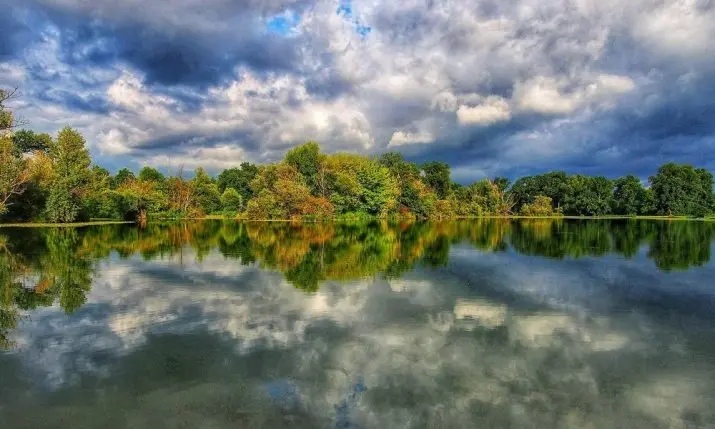
Zagreb has handed a contract to ALS Environmental Croatia, a firm based in Kastav, to monitor groundwater around the Savica area — home to the so-called tar pits, three lakes contaminated with roughly 33,000 tonnes of hazardous industrial waste. What makes the site sensitive is its location: the lakes sit near the Petruševec water supply area, one of the zones that feeds the Croatian capital's taps.
The contamination is nothing new. Tar, a leftover from industrial processes, has been documented at Savica for years, and the waste already features in the city's official programme for protecting its water-source zones. What the new contract adds is systematic tracking — measuring groundwater levels and testing water quality to see whether pollution is moving towards the Petruševec supply and how conditions shift over time.
So should anyone worry about the water coming out of Zagreb's taps? Probably not, on current evidence. The Institute for Water Management Josip Juraj Strossmayer has been running its own monitoring at 14 piezometers — essentially test wells — around Petruševec since 2022, and it reported in September that the chemical status of the groundwater there was good in 2025. The presence of waste near a supply area doesn't automatically mean the water is unsafe; it means it needs watching.
That's exactly what this contract is for. Fresh data will show whether the contamination is stable or changing, and whether remediation work needs to step up. For a city that proudly markets itself on clean, drinkable public fountains — a genuine point of pride and a small saving for visitors who refill bottles for free — keeping the groundwater record spotless matters both practically and reputationally.
For travellers, this is less an alarm than a snapshot of a city managing an old industrial legacy responsibly. Zagreb remains one of Europe's capitals where tap water is not just safe but genuinely good, and stories like this are the reason why: the monitoring happens quietly, year after year, long before any problem could reach a glass.