El Salvador's Pacific coast is famous for surf breaks, but Playa Los Cóbanos plays a different game. Located near Acajutla in the western department of Sonsonate, this small fishing village sits beside the country's most significant reef-building coral ecosystem — and it was declared El Salvador's first official marine natural protected area by the Ministry of Environment.
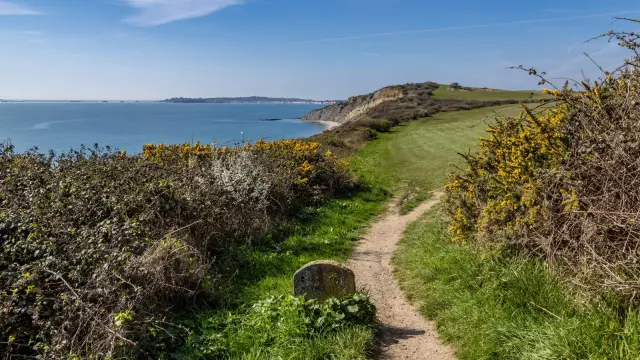
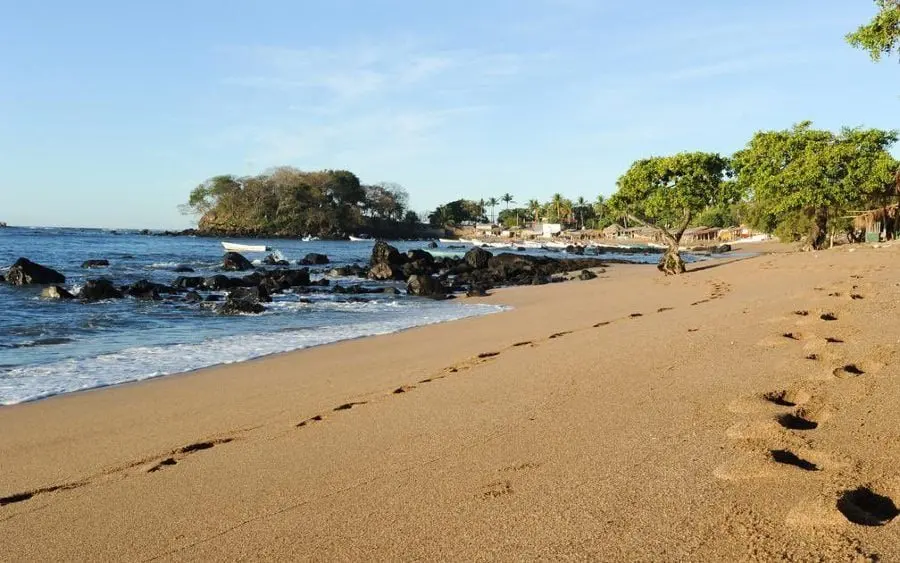
The reefs and volcanic rock formations do something unusual on this coast: they soak up wave energy, leaving stretches of water calm enough for swimming. That makes Los Cóbanos a rare family-friendly beach in a country where most of the shoreline is better suited to surfboards. It's not a postcard-perfect sandy strand, though. Expect honey-coloured sand mixed with rocky sections, exposed reef and tide pools — check your footing and keep an eye on the tide.
Underwater is the real draw. Snorkellers can spot colourful fish over the coral, while divers explore volcanic reefs and historic shipwrecks offshore, with sites ranging from beginner-friendly to advanced. Book with local operators who know the conditions; visibility depends on tides and weather more than season.
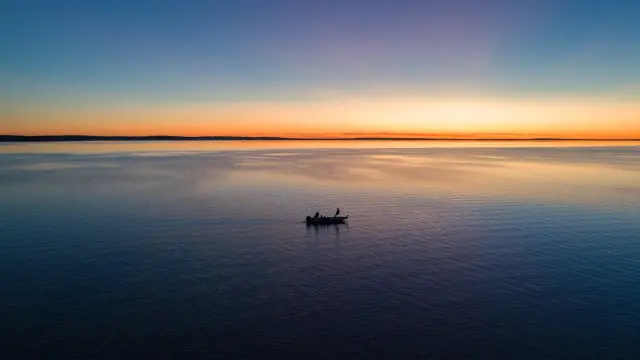
The standout seasonal experience is whale watching. Humpback whales migrate through these Pacific waters roughly from November to March, with January and February the peak months. Local fishermen run authorised boat tours — sightings are never guaranteed, but the excursions double as coastal sightseeing trips. The same boats offer sport fishing offshore, where tuna, mahi-mahi, sailfish and marlin are the targets.
On land, this is still a working fishing community. Beachfront restaurants serve fried fish, seafood soups, ceviche and shrimp dishes with rice, tortillas and fried plantains, and a long oceanside lunch is a perfectly legitimate way to spend the day.
Practically speaking: Los Cóbanos sits about 11 km from Acajutla and roughly 90 km from San Salvador, an easy two-hour drive west via Sonsonate — the most convenient way to visit. Public transport is possible via Sonsonate but involves transfers and shifting schedules. For overnight stays, there are small coastal properties near the beach plus bigger resorts at nearby Salinitas; note that not every beachfront hotel has swimmable sand.
Because the area is protected, a few ground rules matter: don't touch coral, don't walk on living reef, skip single-use plastics, and follow guide instructions. Do that and you get something increasingly rare — a Pacific beach where the ecosystem still works, and tourism money flows to the fishing families who help look after it.
It's a solid pick for snorkellers, divers and travellers who want El Salvador beyond the surf towns, especially as an easy day trip or a quiet overnight from the capital.
Thanks to El Salvador Info for the original report.