Croatia's islands are famous for summer crowds, but living there year-round comes with a logistical problem most tourists never think about: seeing a doctor can mean hours on a boat or bus to the mainland. That challenge was the focus of a congress on rural and island healthcare held in Novalja on the island of Pag, where officials laid out plans to close the gap.
Health Minister Irena Hrstić announced a new regulation that would give doctors extra points towards specialist training if they spend part of it working on islands or in remote rural areas. It's an attempt to fix a persistent staffing shortage, and the government is also leaning on local authorities to help provide housing for medical staff, since recruiting and keeping them in small island communities is half the battle.
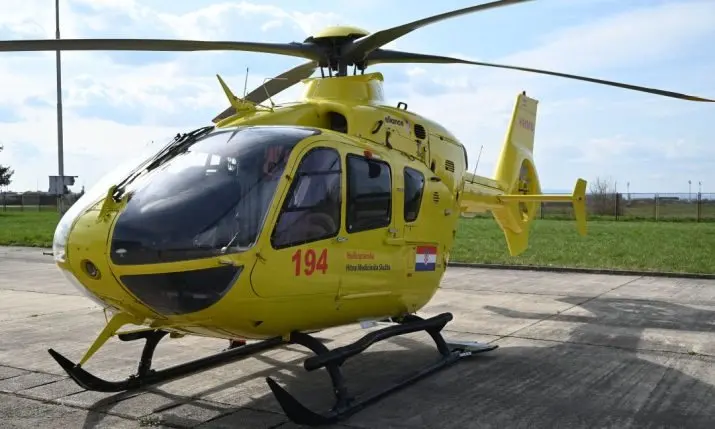
Emergency care is where island geography really bites. Maja Grba Bujević, director of the Croatian Institute of Emergency Medicine, said roughly half of all helicopter medical missions involve the islands - 2,538 out of 4,992 interventions in the figures she cited. Fast-response boats already shuttle patients to mainland hospitals, and new vessels are being built to expand that fleet.
Telemedicine is the quieter revolution here. Remote consultations are already running on the islands, and virtual clinics are the next step, designed to cut down unnecessary trips to mainland facilities. Officials are quick to note, though, that nothing replaces having in-person examinations and diagnostics available locally.
Locals in Novalja gave a mixed picture of the current state of play. Dentistry, gynaecology and emergency response earned praise, but there's no paediatrician, and basic diagnostics like blood tests are typically only available in the mornings - nothing at night or on weekends.
Why should holidaymakers care? If you're renting a villa on Pag, Hvar or Brač in September, this matters when someone gets an ear infection or twists an ankle on a hike. Islands with stronger clinics and faster emergency boats are simply safer places to travel, especially for families with young children, older relatives, or anyone planning a shoulder-season trip when tourist-season services wind down. It's also a reminder for travellers to check where the nearest pharmacy and emergency point is on any island they visit - opening hours can be narrower than you'd expect. Better virtual clinics should eventually mean quicker advice without a ferry ride, but for now the system is improving rather than complete.
The bigger picture is a country working out how to keep its scattered island communities liveable - which, in turn, keeps those communities the kind of places worth visiting outside peak July and August.