Zagreb's public transport network is barely running. A strike by staff at ZET, the city's transit operator, and its parent Zagreb Holding entered its third day on Wednesday 30 September 2026, leaving only a handful of trams and buses on the streets of the Croatian capital.
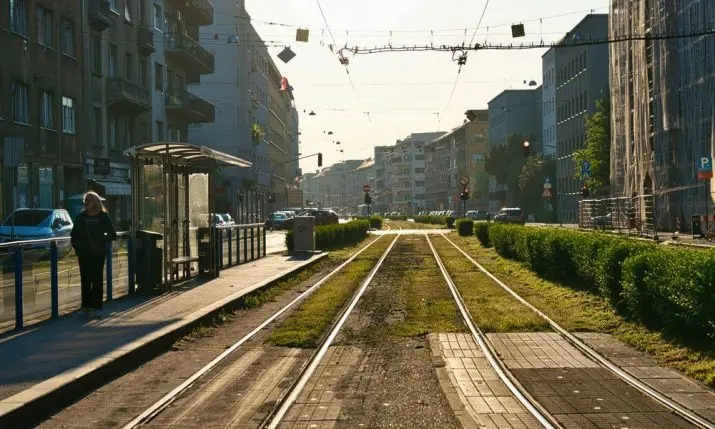
The scale of the shutdown is stark: just two trams were in service on Wednesday morning, on routes 12 and 7. Buses are limited to a single city route, the 228 between Borongaj and KBC Zagreb (the city's main hospital), plus the 330 express link from Velika Gorica to the Main Railway Station. Anyone relying on ZET to get around — including visitors — should assume that most lines are not operating and plan alternatives such as walking, taxis or ride-hailing.
The action has also hit waste collection. Only 20 Čistoća vehicles were working in the city on Wednesday after two days of heavily reduced service, and crews have been stationed at the Jakuševec waste management site as a precaution against fires in the mounting rubbish. For travellers, that means some areas may look untidy, though the direct impact on visitors is mostly about getting from A to B.
The dispute began at 3.30am on Monday after talks between the unions and the management of ZET and Zagreb Holding collapsed without agreement on new collective contracts. Unions are pushing for better pay and employment conditions, including a higher base salary, and earlier negotiations plus a conciliation process failed to close the gap.
There may be movement soon. The Zagreb County Court rejected requests from both companies on Tuesday for temporary measures that would have banned the strike outright, and further key rulings on the strike's legality were expected on Wednesday morning. Mayor Tomislav Tomašević said the immediate priority was defining essential services through arbitration, and the city insists that routes serving hospitals must keep running. A court ruling against the strike, or a breakthrough in negotiations, could see services return quickly — but until then, disruption is likely.
If you're in Zagreb or heading there this week, build extra time into any journey, check ZET's updates before travelling, and don't count on trams for airport or station transfers. Taxis and ride apps are widely available in the city and remain unaffected. Croatian streets in the centre are compact enough that much of the old town is walkable anyway — though the hills and the long run out to Velika Gorica are a different matter. Travellers with early flights should pre-book transfers rather than gamble on public transport timetables that could change from one day to the next.
Whether you're already there or about to fly in, keep an eye on local news: the court's decisions this week could either end the walkout or escalate it.