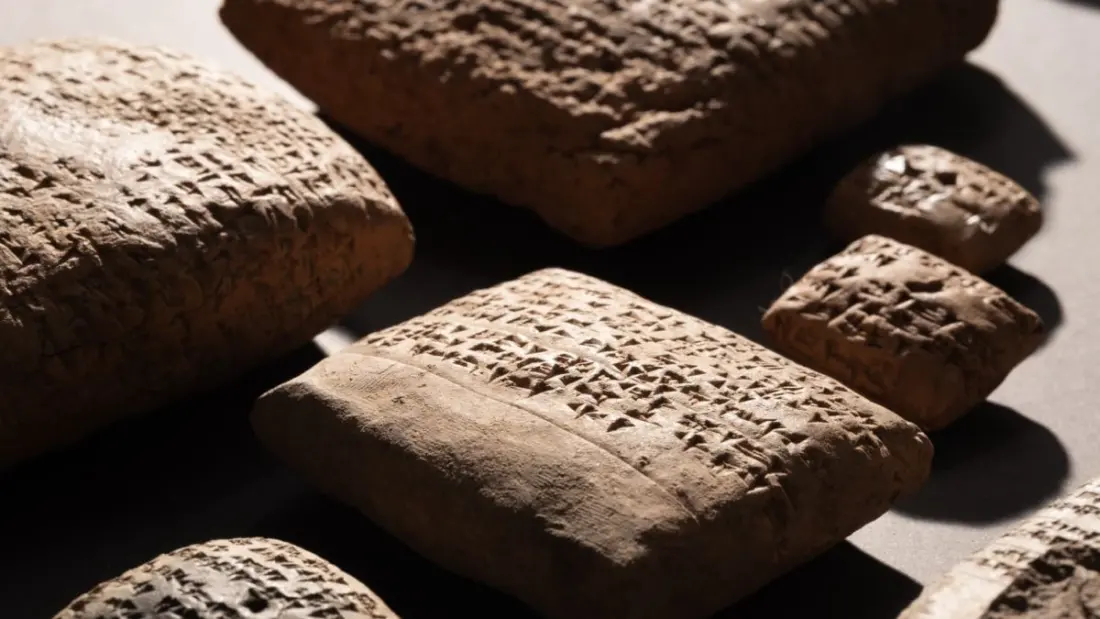
Archaeologists working at Kayalıpınar, a dig site in Türkiye's Sivas province, have pulled 131 more cuneiform tablets out of the ground — and they date to the reign of King Tudhaliya II, one of the more shadowy figures of the Hittite Empire. With this season's finds, the site has now yielded 184 tablets and fragments in total, a haul that could fill in real gaps in what we know about how the empire was run in its imperial era.
Why does that matter if you're not an Assyriologist? Because the Hittites left relatively few written records compared with Egypt or Mesopotamia. Every tablet recovered is a fresh primary source — letters, administrative records, possibly diplomatic correspondence — and Kayalıpınar is quietly becoming one of central Anatolia's more significant Hittite archives. The site is believed by researchers to correspond to the ancient city of Samuha, an important Hittite settlement, and Sivas sits squarely in the empire's heartland, not far from its capital Hattusa near modern Boğazkale.
For travellers, this is the kind of story that turns a trip to central Anatolia into something richer. Sivas itself is a working Anatolian city with a handsome Seljuk-era old town, the 13th-century Double Minaret Madrasa and a famous thermal bathing tradition, but it rarely features on first-time itineraries. The tablet discoveries give you a reason to look beyond Cappadocia's balloons: the broader region is layered with Hittite remains, from rock reliefs to ruined cities, spread across the high plateau east of Ankara.
There's also something appealing about visiting archaeology while it's still happening. Kayalıpınar is an active excavation, and finds like this season's batch tend to feed into regional museums and exhibitions over time — meaning a visit now or in the next few years may coincide with newly displayed material that nobody could see a decade ago. Türkiye has been steadily investing in its Hittite heritage, with the Museum of Anatolian Civilizations in Ankara holding the flagship collection of Hittite artefacts and tablets.
The practical takeaway: if ancient history is your thing, sketch a route that links Ankara's museum, Hattusa's ruins and Sivas. It's a stretch of Türkiye that gets far fewer foreign visitors than the coast, prices are low, and the landscape — steppe, river valleys, old caravanserai towns — feels genuinely off the well-worn path. And with excavations at Kayalıpınar still turning up hundreds of texts, the story here is only getting longer. This piece was reported by Daily Sabah Travel.