Jennifer Nelson knew the trail above Ridgway, Colorado like the back of her hand. On October 20, 2025, the 54-year-old set out from her San Juan Mountains home with two dogs for an ordinary afternoon hike off Red Mountain Pass. By the next morning she was dead — drowned roughly ten feet down in an unmarked mine shaft so well hidden by trees that even the search party walked past it for hours.
The details are grim and instructive. Nelson's husband, Jeff Rivera, raised the alarm when she didn't answer a dinner text. Ouray Mountain Rescue searched for nearly four hours in dropping temperatures, deploying a drone whose batteries died fast in the 30-degree night, before a rescuer's headlamp caught the eyes of her dogs near a berm. Just beyond them: an eight-foot-wide hole in the ground, her backpack and hat at the edge, a trekking pole against a fallen tree. Investigators believe she followed the dogs off trail, fell into water at the bottom, and made desperate — and futile — attempts to climb out, even trying to text her husband. The messages never went through. There's no cell signal on much of the mountain.
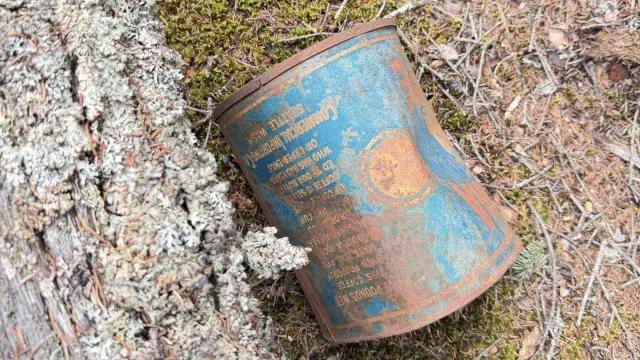
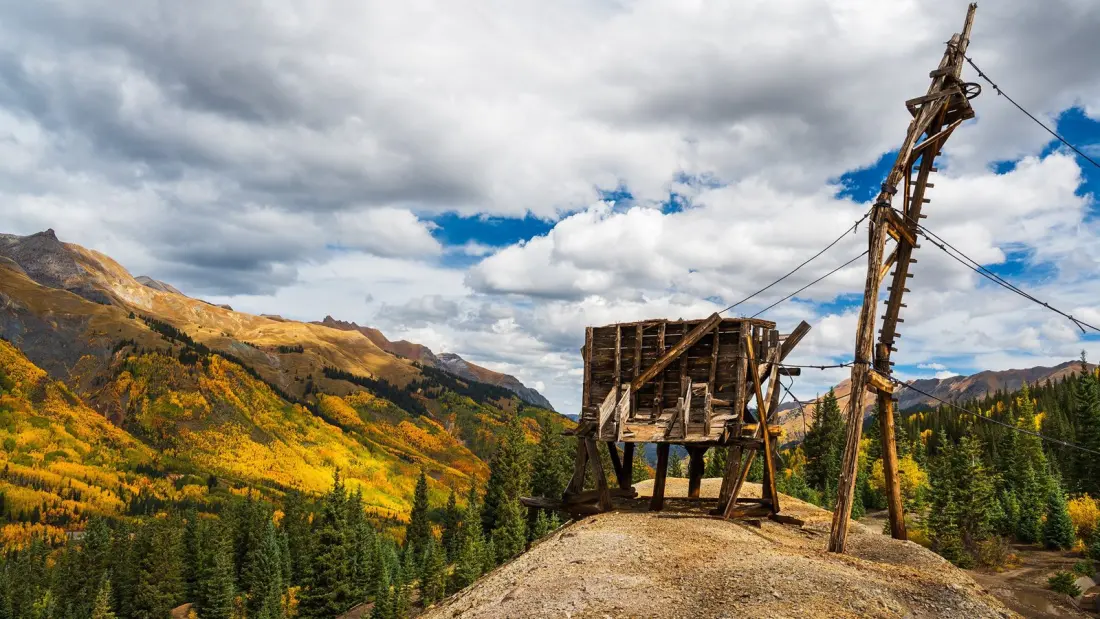
Here's the number that should stop every hiker, dog-walker and off-trail wanderer in their tracks: officials estimate around 50,000 abandoned mine features are scattered across the American West, most of them unmarked. Colorado, with its silver- and gold-rush history, is riddled with them — the trail Nelson walked is littered with rusted relics, and some mines serve as casual tourist attractions. But others sit back in the trees, invisible until you're at the rim. The federal sign now posted at Nelson's shaft carries the standard warning used across mining country: Stay Out Stay Alive.
The broader lesson for travellers goes beyond mines. Popular trails near old mining districts — Red Mountain Pass outside Ouray, the area around Silverton and Telluride — look tame and well-used, but hazard mapping is incomplete and signage can't cover everything. Rescuers note that a fall into a shaft is often unsurvivable and essentially unrecoverable without hours of search. Sticking to established paths, keeping dogs leashed in mining country, carrying a satellite communicator like a Garmin inReach where cell coverage dies, and treating every unexpected opening or depression in the ground as dangerous are all reasonable precautions. Families with kids should be especially careful: a mesh fence and a sign are all that guard Nelson's shaft today.
Nelson was an experienced backcountry hand — a Ridgway planning commissioner who hiked partly to manage chronic back pain — which is precisely why the story resonates. Familiarity is no protection from a hole you can't see. If your holiday plans include the San Juans or any historic mining region of the West, enjoy the ghost towns and rusted headframes from the trail, and give the unmarked ground its due.
Story first reported by Outside Online.