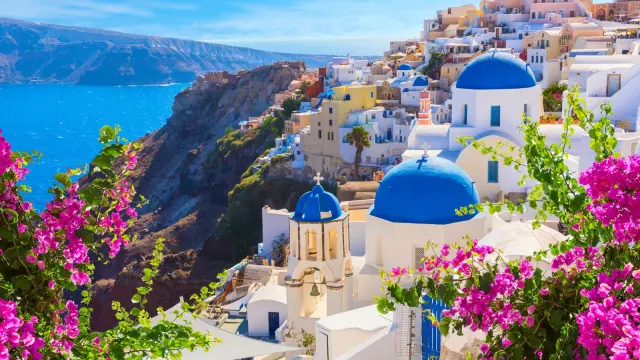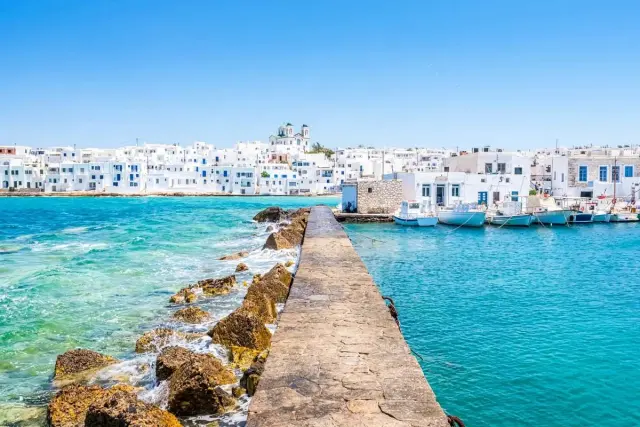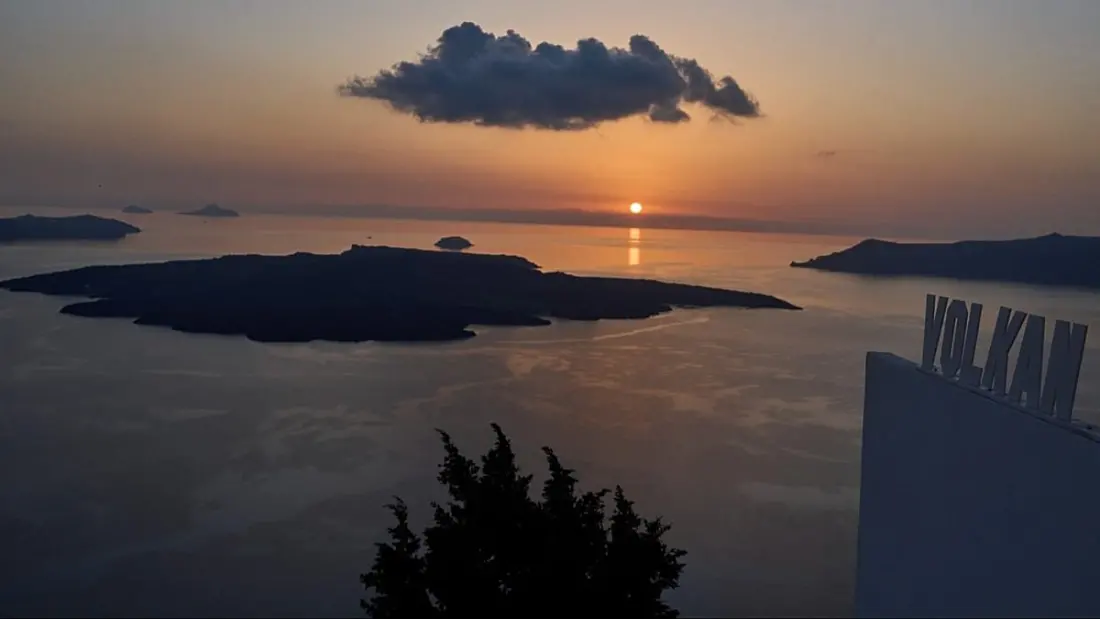
Santorini has spent the past decade managing a success problem: too many cruise passengers crammed into Oia at golden hour, and a tourism calendar that collapses the moment autumn arrives. Now, after two softer years, the island is trying to fix both at once — by selling everything that isn't the sunset.
The numbers explain the urgency. Hotel owner Thomas Giannis told Euronews that his own bookings fell 30-40% following the 2025 seismic activity on neighbouring islands, and the drop was compounded when the Gulf conflict put off American and Israeli travellers — two high-spending markets whose package holidays happen to be booked in spring, right when both events hit the news. US arrivals took the biggest hit.
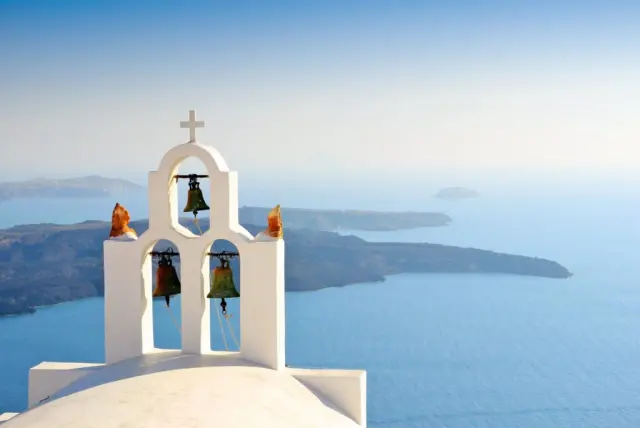
Things stabilised over summer. Thira's mayor, Nikos Zorzos, says September and October were strong months, drawing the kind of visitor with a genuine interest in the island rather than a day-trip itinerary. That's the audience the new campaign targets: a series of 32 short videos promoting Santorini's volcanic-soil wine tradition, its food, and cultural and religious sights — the experiences that get overshadowed by infinity pools and caldera views.
The market data backs the strategy. In July alone, Italy led foreign traffic with 93,315 passengers, followed by the UK (59,362), France (35,158), Germany (17,746), Spain (14,443), Austria (11,211) and Romania (10,594). Travellers from Australia, China, South Korea and Japan round out the mix, often in organised groups.
Giannis also pushes back on the island's pricey reputation. Outside peak season, he says, Santorini is genuinely for every budget, with accommodation from cheap rooms to ultra-luxury — and winter deals are plentiful.
There's a structural wrinkle too. Even as arrivals dipped, hotels kept being built, diluting occupancy across more beds. Zorzos has publicly called on the Greek government to rein in unregulated construction, arguing the island is close to its ceiling.
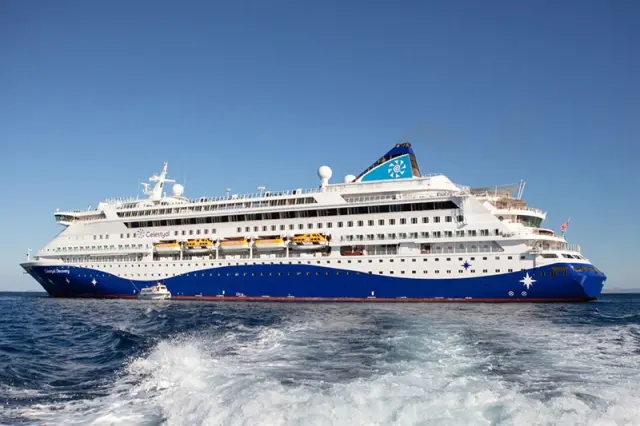
On cruise tourism — roughly half of the island's 3.5 million annual visitors — the municipality has actually led the way. Working with the University of the Aegean about ten years ago, it set a daily cap: no more than 8,000 cruise passengers may disembark per day. Overcrowding in the narrow lanes has eased as a result, though locals grumble that day-trippers spend little, and some now watch the sunset from the ship deck without stepping ashore.
One more lever: since last year, a cruise levy charges each disembarking passenger €20 in high summer, €12 in April, May and October, and €4 from November to March. Only a third reaches the municipality — the rest splits between the tourism and shipping ministries — but the seasonal pricing quietly nudges cruise lines toward the shoulder months the island wants to fill.
For travellers, the takeaway is simple: the Santorini that locals want you to see — wineries, tavernas, villages, archaeology — works best when the crowds aren't there, and it's cheaper too.