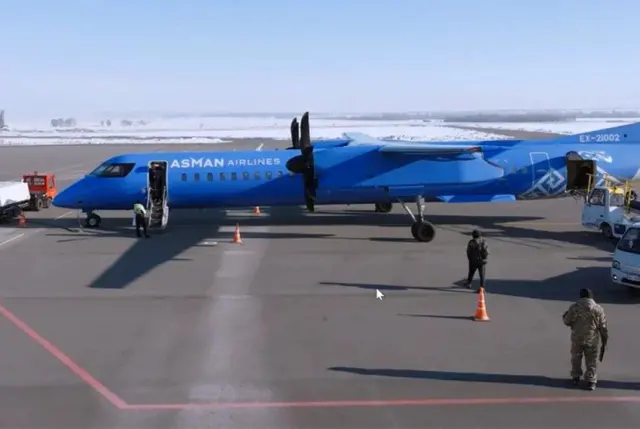
Kyrgyzstan's second city is getting a serious aviation upgrade. Osh International Airport, the main gateway to the country's south, expects to open a brand-new terminal in January or February 2027, according to the head of Airports of Kyrgyzstan, Manasbek Samidinov.
The building itself is big by regional standards: more than 25,000 square metres of floor space, designed to process around 1,200 passengers per hour, including domestic flights. Construction kicked off on 25 April 2025 and the project carries an estimated price tag of $40-45 million. The main structural work is largely done, with flooring roughly 90 percent complete and low-voltage systems at about 70 percent; glazing and facade work are still in progress, but the terminal equipment has already arrived on site.
For travellers, the fit-out sounds practical rather than flashy. There'll be a business lounge, a prayer room with dedicated ablution facilities, children's play areas and two boarding gates. Nothing revolutionary, but a big step up from what a southern Kyrgyzstan hub has historically offered.
One caveat to plan around: the runway is being rebuilt on a separate timeline, with work due to finish by the end of 2027. The airport stays open throughout, so flights continue in the meantime, just with the usual potential for disruption that active runway works bring.
Why does this matter for visitors? Osh is the natural base for exploring the Fergana Valley's edge, the Osh mountains with Sulaiman-Too (a UNESCO World Heritage Site), and the southern routes toward the Pamir Highway and Alay Valley treks. Until now, most international visitors have funneled through Bishkek's Manas airport or overland from Uzbekistan. A larger, faster terminal could open the south to more direct flights and easier connections, cutting out long cross-country transfers.
If you're mapping out a 2027 trip, timing is worth thinking about. Arriving after the terminal opens and ideally after the runway work wraps up in late 2027 would give you the smoothest experience. Early adopters in spring 2027 may still encounter construction friction, though the airport will be operating either way.