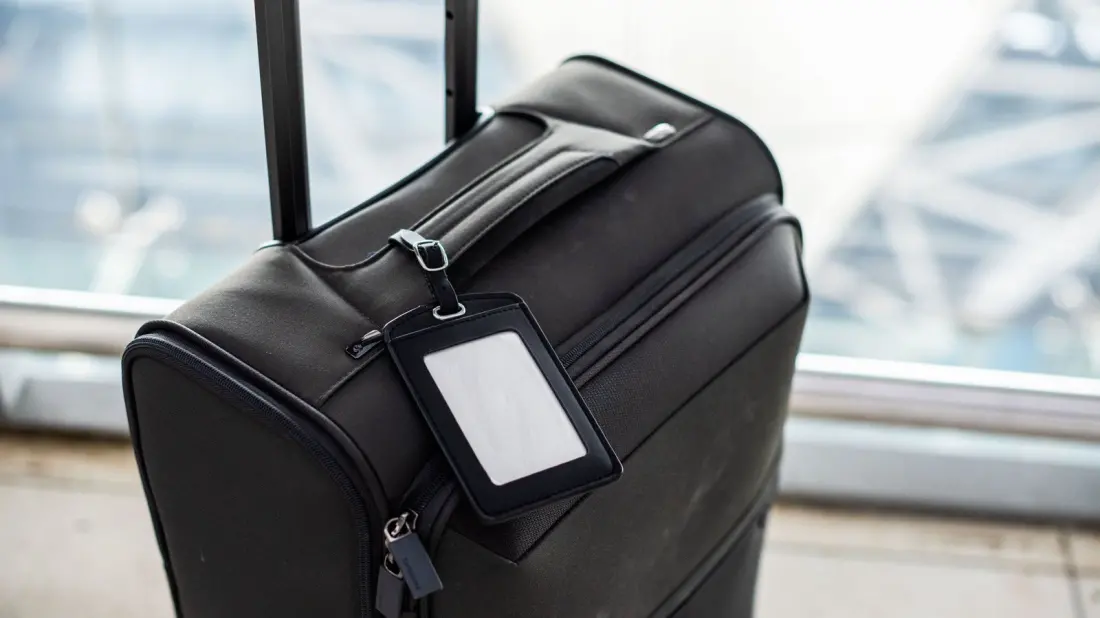
A luggage tag seems harmless — until you think about what it tells a stranger. Roughly 24 million bags were mishandled in 2025, according to figures cited by Euronews, and SITA logged a further 8% of bags lost or stolen in 2024. With that many bags going astray, whatever you print on your tag can end up in someone else's hands.
The worst thing to write on it? Your home address. If your bag is stolen, the thief has your address. And even if nobody touches your bag at all, a visible address paired with an obviously absent owner signals an empty house. Insurance data suggests only about 28% of burglaries happen while someone is home — the rest occur when the place is empty. Your tag shouldn't advertise that you're on a beach in another country.
The good news: airlines don't need your address to reunite you with a lost bag. That's what their own tracking tags are for. On your personal tag, just include your name, phone number, and email address. If a bag turns up somewhere with patchy mobile coverage, email still works. The airline can coordinate a delivery address with you directly, so there's no reason to print where you live.
A few upgrades make this even easier. A Bluetooth tracker — an Apple AirTag or a Chipolo Loop for Android users — is the single most effective move. SITA's Baggage IT Insights 2026 report found AirTags and the Find My app cut lost luggage by 90% and made recovery far quicker. Some airlines, including Alaska, Swiss, Lufthansa, and Qatar Airways, offer electronic bag tags that link to your phone and store your contact details digitally. QR-code tags are another option: anyone who scans one can message you anonymously without ever seeing your information. Whatever you use, pick a tag with a flap so your details aren't on public display, and tuck a card with your basics inside the bag in case the outer tag gets torn off.
Before you fly, a small routine pays off. Photograph your bags so you can show the airline exactly what you're looking for. Peel off old baggage stickers so scanners don't misread them, and keep your current baggage claim stub until the bag is in your hands — the ticket number is what makes tracking possible. If a bag doesn't show up, file a report at the airport's baggage desk before you leave. Don't go home and call tomorrow; reports filed on-site move faster.
For anyone flying this summer, this is a five-minute fix with lasting value. Swap the address line on your tag for an email, clip an AirTag inside the lining, and you've removed both the identity risk and the biggest frustration of lost luggage. Frequent flyers and occasional holidaymakers alike can use the same checklist.