Arvo Pärt is one of the most performed living composers on the planet, but his story starts in a prefabricated tower block in Soviet-era Tallinn. A new 13-minute documentary from Deutsche Welle, made with the Goethe-Institut, traces how that unlikely journey happened — and it's a film worth tracking down if you're heading to Estonia anytime soon.
The documentary weaves rare archive footage with interviews from Pärt's family, researchers and major Estonian musicians. It covers the essentials of his story: his discovery of Gregorian chant, and the development of tintinnabuli, the stripped-back, bell-like musical style he's famous for. Conductor Paavo Järvi speaks about what it meant to be a composer of Pärt's sensibility under Soviet occupation, while Kristiina Poska talks about the emotional pull of the music. Performances come from Jaan-Eik Tulve and Vox Clamantis, the vocal ensemble long linked with Pärt's work.
There's also the exile chapter. Pärt left Estonia in 1980, and the film credits producer Manfred Eicher and his ECM label with carrying that music out to a global audience — a reminder of how much one record label shaped what the world now thinks of as Estonian sound. His reach has gone well beyond concert halls: film soundtracks, and admirers including the German painter Gerhard Richter.
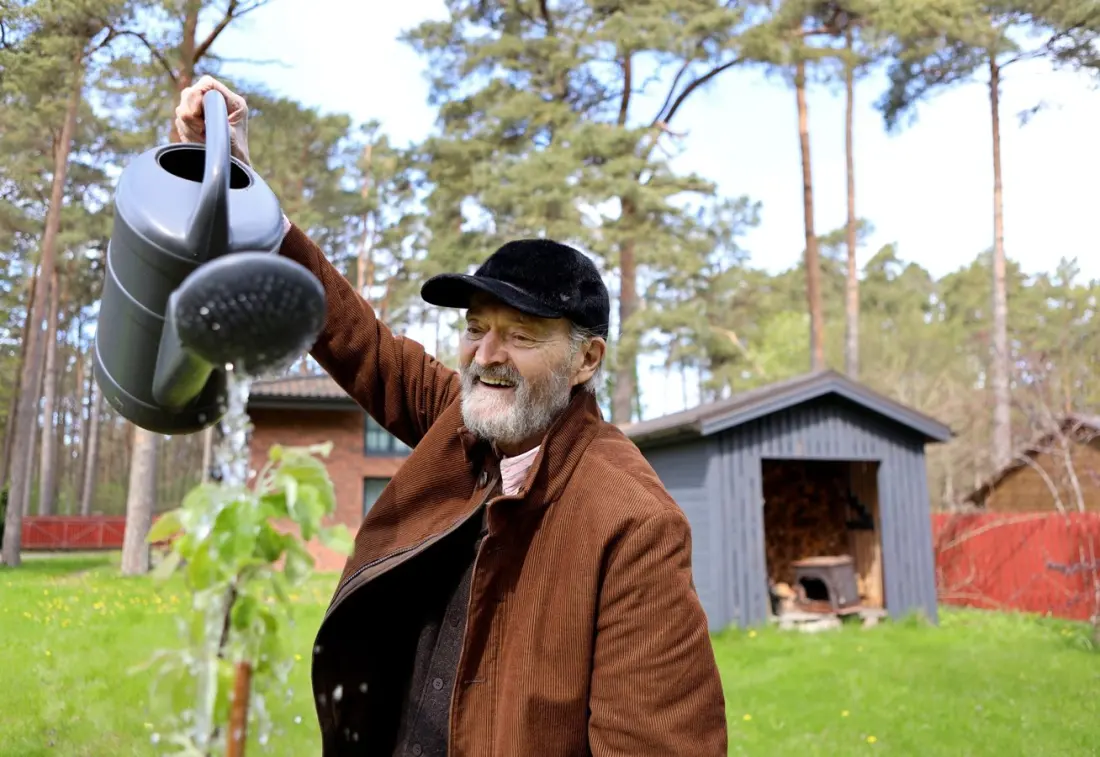
For travellers, the practical payoff comes near the end. Pärt's son Michael talks about the Arvo Pärt Centre in Laulasmaa, on Estonia's coast not far from Tallinn — a purpose-built archive and concert space set in pine forest by the sea, and now an easy half-day trip for anyone visiting the capital with even a passing interest in his music. The film also notes Pärt's receipt of the Goethe Medal in 2026, capping a career in which silence, as the documentary puts it, functions less as absence and more as part of the music itself.
Even if you arrive knowing nothing about Pärt, thirteen minutes is a small investment for context that changes how Estonia sounds. Tallinn's Old Town churches regularly host performances of early music and sacred choral work, and hearing tintinnabuli in a stone Baltic church, or at the Laulasmaa centre itself, beats any playlist. The documentary doubles as a portrait of Soviet-era Estonia too — the tower blocks, the constraints, the quiet defiance — which adds a layer to any walk through the city's Kalamaja district, where those same apartment blocks still stand.
Who's it for? Classical music fans planning an Estonia trip, obviously. But also anyone who likes their cultural sightseeing with a soundtrack: it's a short, well-sourced primer on why this small Baltic country punches so far above its weight in choral and contemporary music.