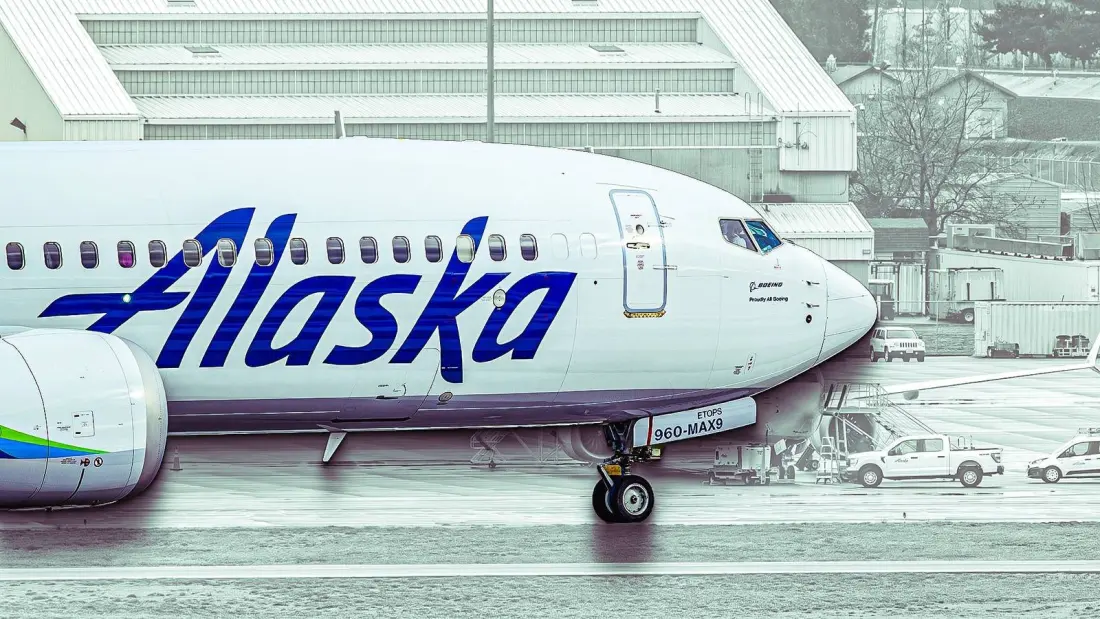
Alaska Airlines has spent 2024 quietly rebuilding itself into a very different airline. After completing its acquisition of Hawaiian Airlines — the biggest US airline merger in years — the combined Alaska Air Group became the fifth-largest carrier in the country, and it inherited something it never had before: widebody aircraft. Now the Hawaiian fleet's Airbus A330s and Alaska's own Boeing 787s are being pointed at Seattle-Tacoma International, with plans for up to a dozen non-stop long-haul routes from the city by 2030.
That puts Alaska on a collision course with Delta, which has spent the past decade trying to make Seattle its own transpacific gateway, flying to Tokyo, Shanghai, Taipei, London, Paris, Amsterdam, Rome and Barcelona. Alaska is already the bigger player at SEA, and it's betting that Seattle's position — one of the closest major US cities to Asia — will win it the connecting traffic. Expect routes like Manila, Bangkok, Ho Chi Minh City and Delhi to enter the conversation as the widebody fleet beds in.
Closer to home, the merger is already adding seats. Seattle-Honolulu capacity is up more than 20%, with half of the six daily flights now on widebodies. Portland gets three daily Hawaii nonstops and a 25% seat boost, San Diego has two daily Maui flights, and San Francisco now offers four daily nonstops to Hawaii, including new routes to Kona and Lihue. A Hawaiian A330 even flies Seattle-Anchorage in summer, and three new red-eyes from Hawaii to the West Coast make Midwest-to-Hawaii itineraries far less painful.
On the ground, there's real money going into lounges. Anchorage's lounge has doubled in size, seating 140 near Gate C-1 as part of a $60 million, three-year 'Great Land Investment Plan' across the state. Honolulu's replacement lounge — five times the size of the current one — should open by the end of 2027, alongside a second Premier Club at Maui's Kahului airport and a new international lounge in Seattle, also slated for 2027. The two brands will keep flying separately for now, but the airport experience is being merged.
For travellers, the practical upshot: if you're on the West Coast or connecting from the Midwest, Hawaii is getting cheaper-capacity-rich and easier to reach through Alaska's hubs, and Seattle is on track to become a genuine alternative to the big three global gateways. Watch it if you chase new long-haul routes on points — new widebody markets tend to open with generous award space early on.