If you've ever been dragged off a flight against your will, here's some good news: American Airlines has quietly told its airport teams that the practice is over. An internal directive, effective 30 September 2026 across both mainline and regional operations worldwide, makes it a requirement — not a goal — that no passenger is ever denied boarding involuntarily. The memo puts it bluntly: "no invols" is now company policy.
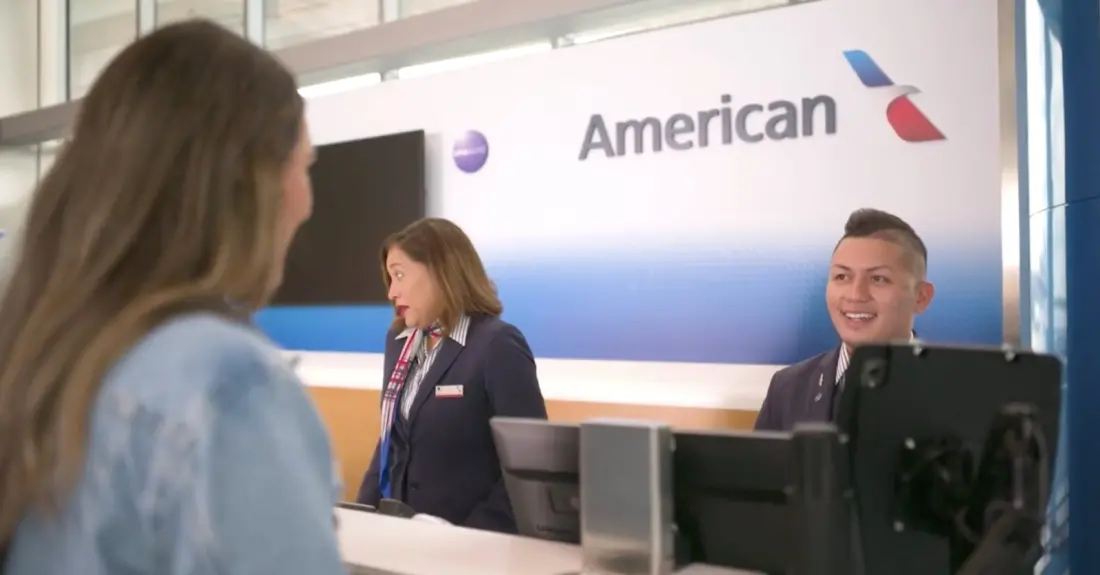
So what happens when a flight is oversold? Gate staff must keep the aircraft door open and keep working the crowd until enough people volunteer, even if that means the flight departs late. Compensation offers should start early, with transparent announcements explaining why there are fewer seats than expected — an aircraft swap or weight restriction, for example. Crucially, the memo shifts authority to the airport: a customer service manager or more senior leader must be present at the gate for any oversold flight and can now approve payouts above the usual maximum, without needing sign-off from the airline's central desk.
There's another passenger-friendly twist. Volunteers can be confirmed on the very next departure even if that flight shows no open seats — something an involuntarily bumped passenger could never get. Agents are also told to have one-on-one conversations, spelling out the government-mandated involuntary compensation amount as a floor and then building a better voluntary package on top.
The logic here is sound. Airlines overbook because some passengers historically don't show up, and selling a few extra seats usually works out. But when the maths goes wrong, the person who checked in on time and got to the gate shouldn't be the one who pays for it. On a full flight, there's almost always someone happy to take a later departure — if the price is right. A generous travel credit plus a confirmed seat on the next flight turns an ugly confrontation into a voluntary trade.
The catch, as this analysis points out, is execution. A memo only works if frontline staff actually have the backing to use it. If gate agents fear being second-guessed for spending too much or causing a delay, or if a manager isn't around when needed, the directive becomes theatre. The piece also argues American should apply the same thinking beyond the gate: when a premium cabin seat has a broken outlet, a loose footrest and dead entertainment, a flight attendant should be able to offer some remedy on the spot rather than apologising and walking away.
For travellers, the practical takeaway is this: if you're flying American and hear an oversale announcement, the deal on the table may now be sweeter than it used to be — and the person offering it has real authority to escalate. It's worth listening before reflexively settling in for the flight. And if you absolutely must arrive on time, a seat assignment and early check-in remain your best insurance. If American follows through, this could become a model for how airlines handle service failures generally — and a genuine reason to prefer booking with them.