A regional flight out of St. Louis ended with passengers climbing through an overwing exit and standing on the wing — after the crew turned back because of a bad smell in the cabin.
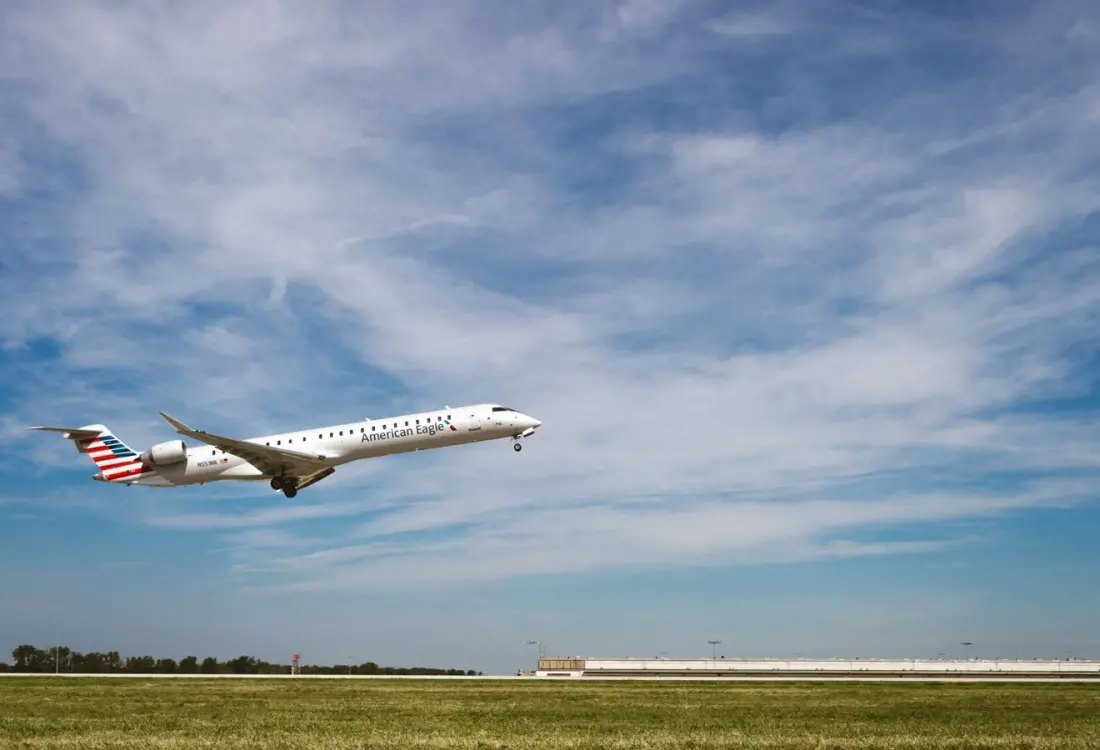
American Eagle flight AA5089, a PSA Airlines CRJ-900 bound for Philadelphia, left St. Louis Lambert International Airport on October 17, 2026, and turned back shortly after takeoff. Passengers told local NBC affiliate KSDK they noticed an unusual smell, then haze in the cabin, and oxygen masks dropped from the ceiling. After the plane landed, everyone got out through the overwing exit.
American has confirmed that a reported odour prompted the return. The aircraft was pulled from service for a maintenance inspection and the airline rebooked affected passengers on later flights. So far, no cause has been made public, and the airline says there is no indication of fire onboard. The jet was later ferried to Knoxville, a major maintenance hub for the CRJ-900 fleet, where it remains pending inspection.
One passenger's account put a human face on the scare. Olivia Clancy was flying with her two children — both on their first-ever flight — and described fearing the worst as smoke filled the cabin. She said the family was told simply to run once they were off the aircraft, with no clear idea of how far to go. Emergency crews were positioned outside, but the lack of direction appears to have added to the trauma of an already frightening few minutes.
There are a couple of useful takeaways here for anyone who flies. First, a safe landing doesn't mean the response was an overreaction — crews can't know mid-event whether a smell means nothing or means smoke from the flight deck or galley, and evacuating onto the wing is the right call if the front of the aircraft is the problem. Second, and more practically: pay attention to the safety briefing, even on a 20-minute regional hop. Knowing where your nearest exit is — and remembering it may not be the door — is exactly the kind of detail that matters when masks drop.
It's also a fair reminder not to read too much into dramatic passenger accounts. Someone can genuinely believe they nearly died without the aircraft ever being close to crashing. The fear is real either way, but the maintenance findings will be what actually tells us what happened in that cabin.
For the travellers on board — especially two children whose introduction to flying ended with a run across the tarmac — the hope is that the next flight is reassuringly dull. For everyone else, this is a good nudge to glance at that safety card and locate the overwing exit next time you board a regional jet.