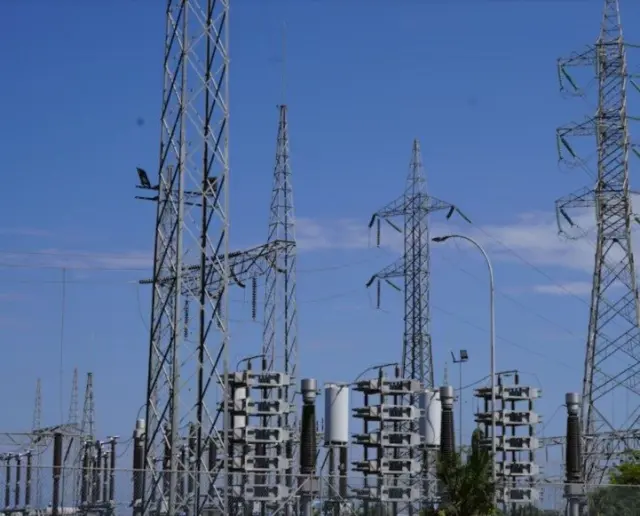
Ecuador is in the grip of a worsening electricity crisis, and the government has just extended rolling blackouts for industries and large businesses into a second consecutive week. The Energy Ministry confirmed the move over the weekend, blaming weak rains in the inter-mountain valley that have left the country's hydroelectric plants — which supply most of Ecuador's power — running well below normal.
The numbers are stark. Weekend rains that had been forecast turned out weaker than hoped, and emergency electricity imports from Colombia delivered far less relief than expected, covering less than 1% of national consumption on Saturday and Sunday, down from about 1.6% on Friday. The National Electricity Corporation's Monday report showed below-average reservoir levels and river flows at all six of the country's largest hydro plants.
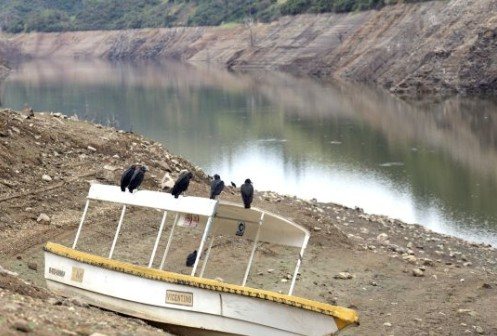
Some facilities are dangerously close to the edge. The Mazar reservoir, which feeds three generation plants, sits just seven metres above its minimum level after dropping more than four metres in a single week, and its plants produced an average of 650 megawatts on Sunday — under 40% of capacity. At the Agoyan plant in Tungurahua Province, the reservoir was less than a metre above shut-off level, while Minas San Francisco in Azuay Province had a 1.36-metre buffer. Coca Coda Sinclair, Ecuador's biggest hydro plant, is running at only half capacity because of reduced flow on the Río Coca.
The business community is frustrated, too. The Guayaquil Chamber of Industries says reconnections have been delayed by eight to ten hours a day without explanation, and some members endured blackouts of up to 92 hours last week. The ministry has warned that without substantial rainfall, disconnections could widen — with officials signalling they may take further measures to shield households from disruptions.
For travellers, the practical impact depends heavily on where you go and what you book. The current cuts target industry and large businesses, but hotels, restaurants and tourist services can be caught in the knock-on effects: delayed service, sporadic Wi-Fi, lifts out of action and businesses closing early. Anyone planning time in Guayaquil or other major business districts should check whether their accommodation has backup generators, keep devices charged, and carry a power bank. Rural and Amazon-basin areas near the affected dams may see the strain more directly as reservoirs fall.
The wider message for anyone with an Ecuador trip on the horizon: build flexibility in. Confirm power arrangements with hotels before booking, avoid scheduling anything dependent on reliable electricity or connectivity, and watch local news for updates — if the rains don't arrive, the government has made clear that more extensive measures are on the table. The crisis is driven by drought, not infrastructure failure, so the situation could improve quickly once the wet season properly kicks in.