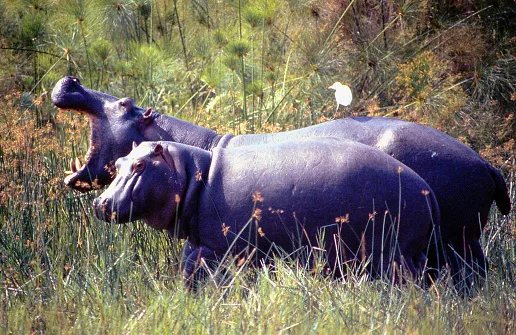
At least 28 hippos have died from anthrax in the Semuliki River ecosystem on the edge of Virunga National Park in eastern Democratic Republic of Congo. The first carcasses were spotted floating in the river by residents in mid-September 2026, and laboratory tests have since confirmed the bacterial disease as the cause.
It's not an isolated event. A previous outbreak killed 65 hippos in the park in 2025, and anthrax has flared up repeatedly during drought years. The bacteria's spores can lie dormant in soil for decades, which makes contaminated ground a long-term hazard. When vegetation is scarce, hippos and other herbivores crowd around the remaining water and grazing land, raising the odds of contact with infected soil.
The health risks aren't limited to wildlife. Anthrax can pass to people through contact with dead animals or contaminated meat, so authorities have warned communities along the river not to touch, skin or eat any carcasses they find, and to report them instead. Park rangers are tracking new deaths and coordinating safe disposal. The pressure is compounded by an ongoing Ebola outbreak in the DRC, which has already stretched public health resources in the region.
There's some reassurance in the numbers: a February 2026 census counted more than 2,700 hippos across 171 groups in the ecosystem. But hippo losses matter well beyond the species itself. Often called ecosystem engineers, hippos shuttle nutrients between land and river through their grazing and waste, and their decline ripples through the whole aquatic environment.
Virunga, founded in 1925 and a UNESCO World Heritage Site, is one of Africa's great wilderness areas — mountain gorillas, forest elephants, volcanoes, tropical forest and wetlands all within one park. Yet conservation here has been hampered for years by armed conflict. Officials say the park has lost control of significant territory over the past four years amid fighting between the Congolese army and M23 fighters, which fuels poaching, deforestation and makes disease monitoring far harder.
For travellers, the story is a window into why Virunga tourism remains limited and tightly managed. The park has periodically reopened for gorilla trekking expeditions, but access depends heavily on the security situation, and this outbreak is another reminder that eastern DRC is a destination to research carefully and book through established operators. Conservation groups are calling for better wildlife disease surveillance, proper carcass management and closer cooperation between park authorities, health officials and local communities — the basics that keep both animals and people safe in shared ecosystems.
Even if you never visit, Virunga's troubles affect the bigger picture of African conservation: disease, drought and conflict hitting one of the continent's oldest and most biodiverse protected areas at the same time.