Chronic back pain doesn't have to mean the end of overnight hiking trips. A writer at Outside Online who deals with ongoing neck, shoulder, and upper-back pain from old injuries, car accidents, and desk work has rebuilt her backpacking kit around one goal: cutting weight without cutting comfort. Her target is a base weight of about 15 pounds, down from roughly 22 — and the swaps she chose are worth a look for anyone whose body complains after a long day on the trail.
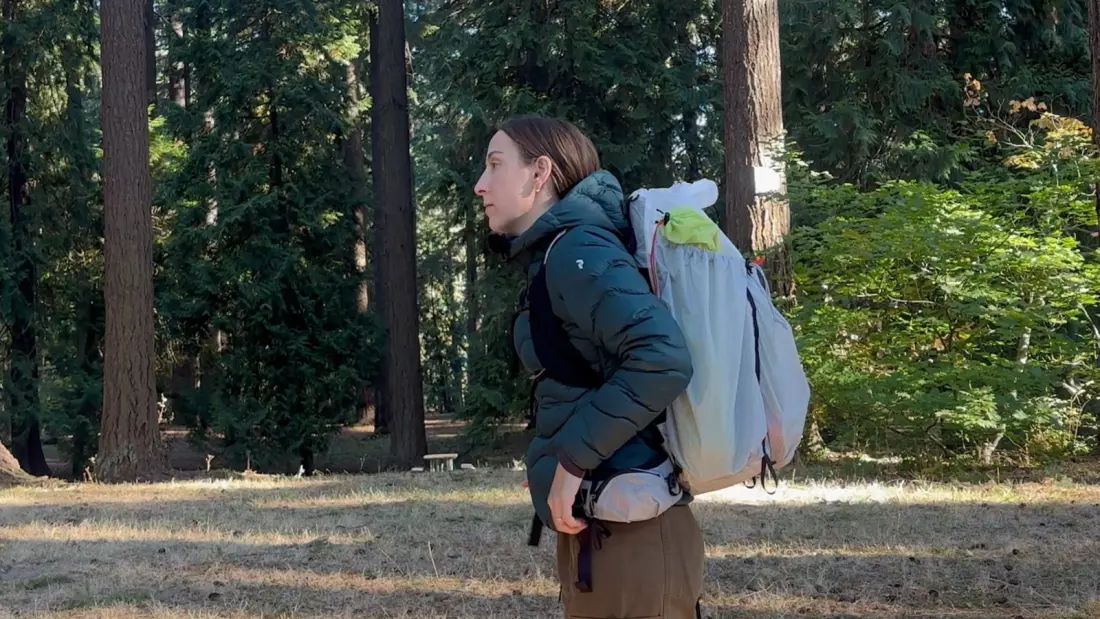
The biggest single change is the pack itself. Her old one weighed nearly 4 pounds; the Mountain Hardwear Alakazam 45L comes in just under 2. It manages that with a zipperless roll-top design and a waterproof ALUULA Graflyte fabric — a material that's tougher than it sounds, since its fibers are bonded without adhesives, making it less prone to peeling or tearing. An aluminum frame and running-vest-style straps keep the load close to the torso and spread pressure across the chest rather than dumping it all on the shoulders.
Shelter comes next. The NEMO Hornet OSMO tent packs at 2 pounds 8 ounces, which splits to just over a pound per person when shared between two. Setup is quick thanks to a single hub, the 27.7-square-foot interior is snug but workable, and there's a 7.1-square-foot vestibule on each side plus overhead pockets with a nightlight for reading — a small luxury at this weight.
On the ground, the Exped Ultra 6.5R sleeping pad does the heavy lifting. Launched earlier this year as Exped's lightest, warmest pad yet, it offers 3.5 inches of loft to keep roots and rocks from digging in, a 6.9 R-value for freezing nights, raised side rails to stop you rolling off, and a packed weight of just over a pound.
The last two items are about recovery rather than weight saving. A 5.3-ounce Exped Down Pillow with an adjustable air fill beats stuffing clothes into a sack — no more waking with a cricked neck. And instead of a lacrosse ball, the writer carries a 1.3-ounce silicone cupping cup, applied for 5 to 15 minutes with CBD balm after arriving at camp. The evidence for cupping is thin, she admits, but the short-term relief is real enough that it earns its spot in her pack.
Why does this matter for travellers? Because the difference between a 22-pound and 15-pound base weight is often the difference between dreading a trip and enjoying it. None of these swaps require going full ultralight — she keeps her novel, after all — and most apply equally to hikers without pain who simply want a gentler carry. The useful pattern is the thinking: shave grams on the big three (pack, shelter, sleep system), then spend a few saved ounces on tools that help your body recover overnight.
Reported by Outside Online.