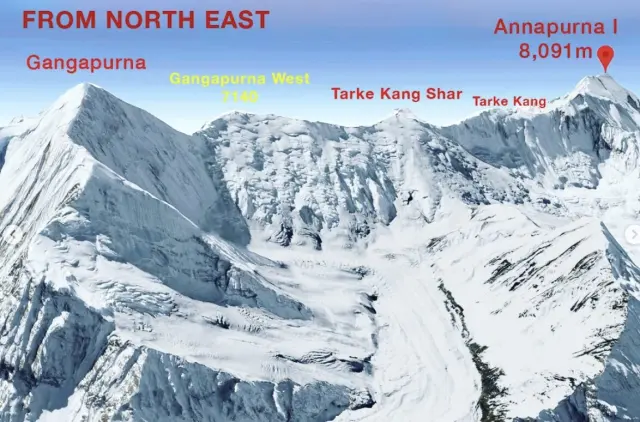
A search operation in Nepal's Manang district has ended in sad news. The bodies of Japanese climbers Hidesuke Taneishi, 40, and Tetsu Hashimoto, 25, were recovered this morning on the slopes of Gangapurna West, a 7,140-metre peak beside the Annapurna massif.
Rescuers located both men at roughly 6,300 metres on the mountain's south side. The pair had been attempting the first ascent of the peak and last made contact on October 15, when they were around 7,050 metres up and pushing for the summit. After that, silence.
The search began on October 19, but it was a genuinely difficult one. Nobody knew where on the mountain the climbers were, or even whether they were still on it at all, so teams initially combed the area around Manang village without success.
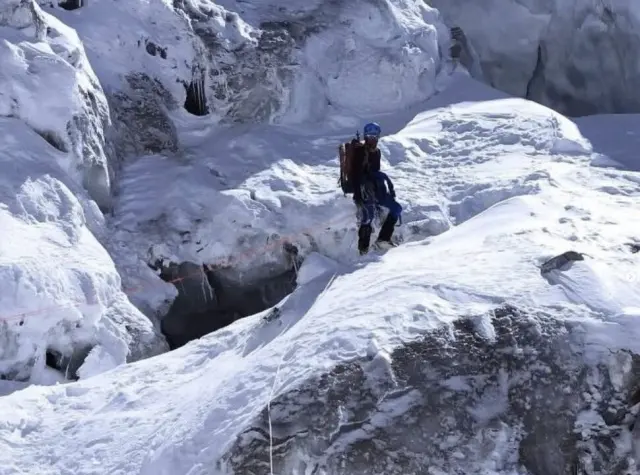
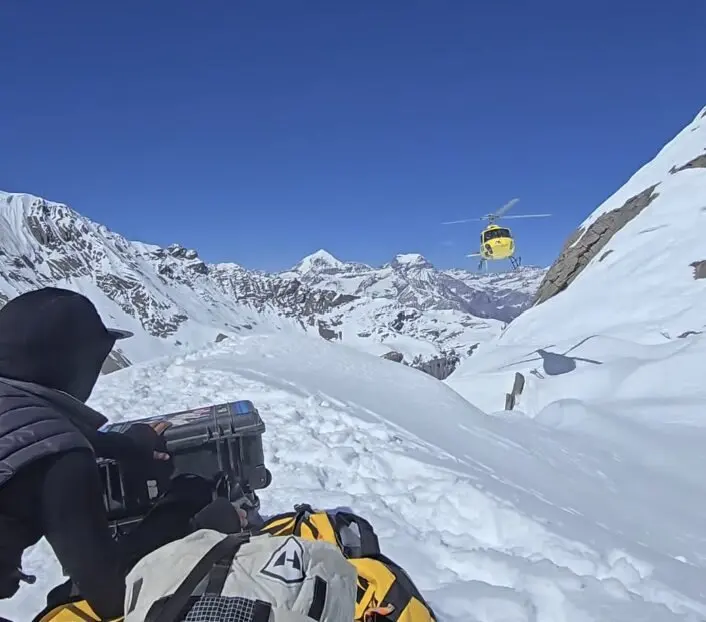
The operation that ultimately found them was a modern mix of helicopter and drone work. Pilot Sobit Gauchan flew high-altitude photographer and climber Manish Maharjan, along with IFMGA mountain guide Pasang Rinzi Sherpa, to a drop point at 5,750 metres. From there, the two scanned the upper slopes with a drone, checking both the northeast and southwest flanks. They spotted the remains of the climbers' higher camp before locating the bodies the next morning on the south face.
Gangapurna West — also known as Asapurna or Lachenal Peak — has a short but frustrating climbing history. It opened to foreign expeditions in 2014, and several teams have tried it since. None has reached the top, which underlines how demanding the objective the two Japanese climbers had chosen really was.
Taneishi was no newcomer to cutting-edge alpinism. The team leader was nominated for a Piolet d'Or — mountaineering's most prestigious award — after he and Hiroki Yamamoto made the first ascent of 6,652-metre Pholesobi Peak, also in Nepal, via a direct line up its sheer north face.
For travellers, the story is a sobering glimpse into the world above the trekking trails. The Manang region is one of Nepal's most popular trekking areas thanks to the Annapurna Circuit, which passes right through Manang village, and peaks like Gangapurna form the dramatic backdrop that draws thousands of walkers each autumn. Most visitors will only ever see these mountains from the trail, but the rescue also shows how the region's high-altitude infrastructure — experienced helicopter pilots, IFMGA guides, drone-supported searches — has developed to support both adventure tourism and emergencies. It's a reminder that the peaks looming over popular trekking routes are serious, rarely climbed objectives, even for elite alpinists with award-winning resumes.
The full account of the search comes from ExplorersWeb.