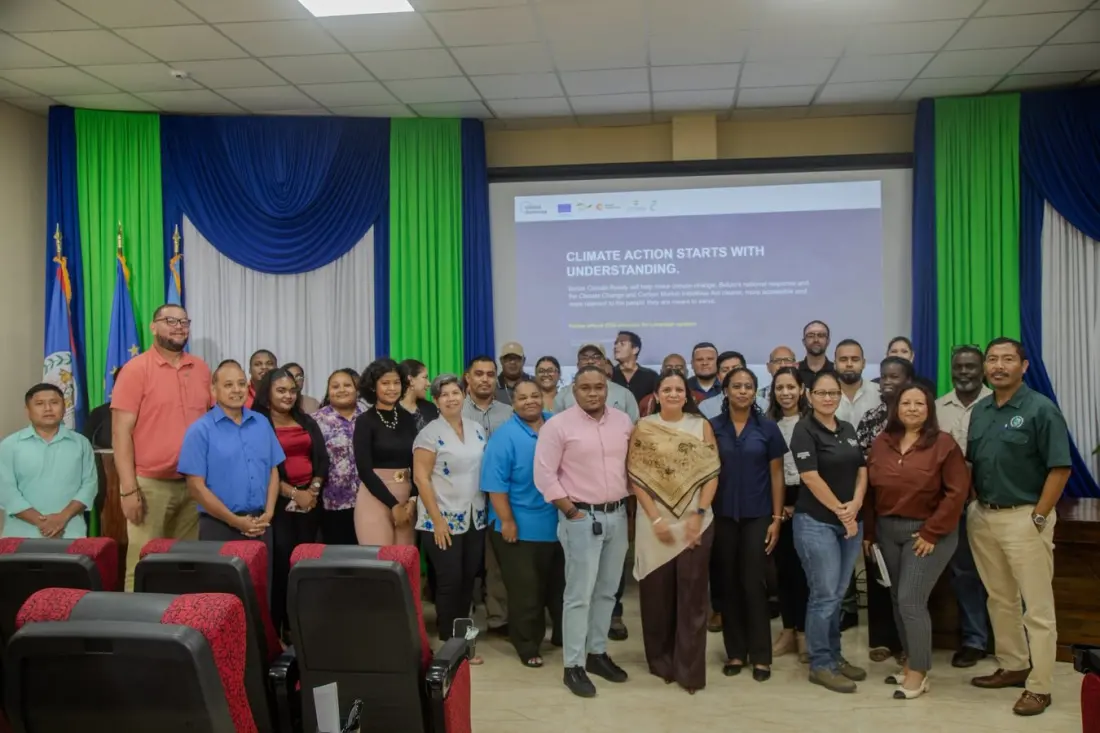
Belize has kicked off a nationwide push to make climate policy make sense to ordinary people. On September 23, the Ministry of Sustainable Development, Climate Change and Solid Waste Management launched the Belize Climate Ready Campaign, a nine-month public education drive run by the Climate Change Department with UNDP Belize and support from EUROCLIMA.
The idea is simple: most Belizeans have heard that the climate is changing, but few know what the government is actually doing about it. Over the coming months, the campaign will walk the public through the country's climate commitments, the role of the Climate Change Department, and the laws behind national climate action. A big focus is the Climate Change and Carbon Market Initiatives Act, 2026 — how it works, what safeguards it includes, and how carbon market projects will be policed.
For anyone who loves Belize, the stakes are obvious. San Pedro and the country's other low-lying coastal communities sit on the front line of climate risk: coastal erosion, flooding, and pressure on the Belize Barrier Reef, the UNESCO-listed attraction that underpins the country's tourism economy. The campaign is designed to connect national plans to these local realities, showing island residents and businesses what measures are proposed to protect the coastline and the marine environment.
The launch didn't come out of nowhere. In February, the Ministry held its first Partners Forum, aligning national frameworks — PlanBelize 2.0 and the Nationally Determined Contributions 3.0 — with projects in biodiversity conservation, renewable energy, water security and solid waste management. Officials framed that forum as the foundation for the next five years of climate funding and coordination. Climate Ready now takes those policy documents and translates them into explainer videos, radio and TV features, brochures, social media content and community events. Schools, businesses and community organisations will be invited to take part and ask questions.
Why should a traveller care? Because the health of Belize's reef, cayes and coastal towns is directly tied to how well the country adapts. The barrier reef — the largest in the northern hemisphere — draws divers, snorkellers and anglers from around the world, and erosion and flooding threaten both the beaches visitors come for and the livelihoods of the people who host them. An informed local population that understands and backs climate plans is, in the long run, what keeps those experiences intact. If you're heading to Ambergris Caye or elsewhere on the coast in the next nine months, you may well run into campaign events or materials — and it's a decent window into the challenges your destination is facing.
For San Pedro specifically, the campaign is a chance to link national policy to island priorities, from reef protection to preparing homes and businesses for a changing coastline. Watch this space as the programme rolls out through mid-2027.
Story via The San Pedro Sun.