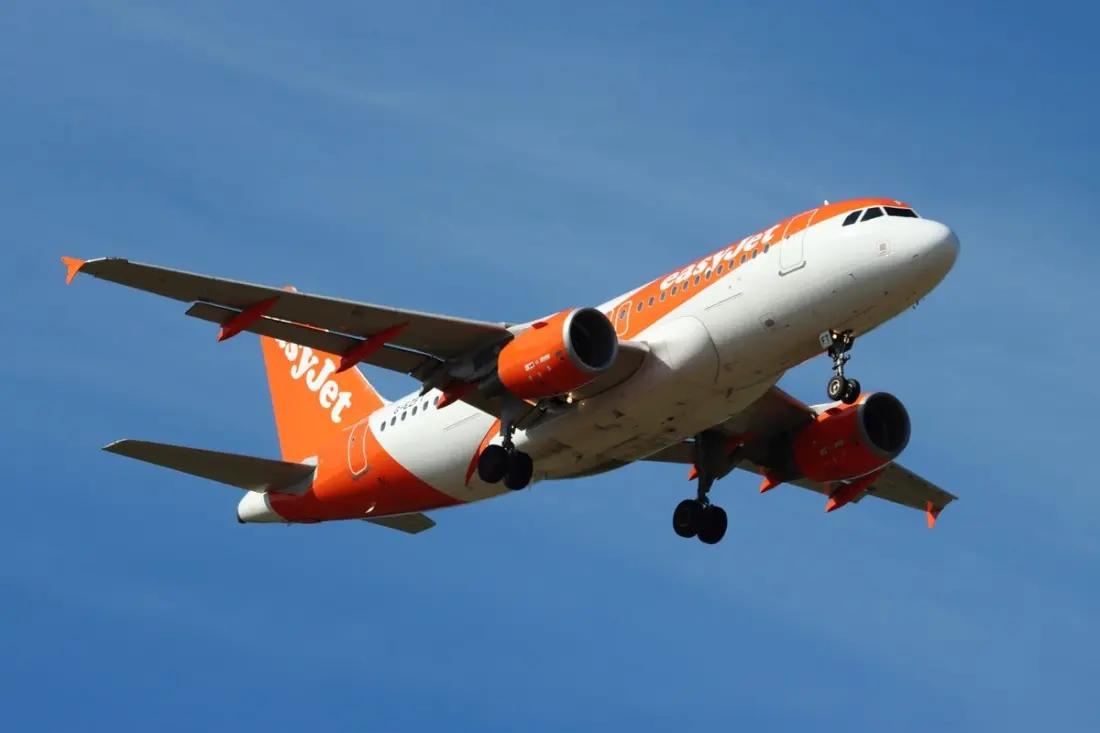
A short hop down the UK turned into a five-hour road trip for passengers on an easyJet flight from Glasgow to Southampton, after the aircraft hit a bird shortly after take-off.
Flight EZY415 left Glasgow at 9.26am on Sunday 18 October, already running about an hour and a half behind its scheduled 8.05am departure. Roughly halfway through what is normally an hour-long domestic flight, the Airbus A319 transmitted squawk 7700 — the universal emergency transponder code that tells air traffic control a plane needs immediate assistance — while flying over Lancashire. The aircraft circled Liverpool and touched down at Liverpool John Lennon airport shortly after 10am.
An easyJet spokesperson confirmed the diversion was caused by a bird strike after take-off. Rather than waiting for a replacement aircraft, the airline put passengers on coaches for the onward journey to Southampton. Passengers were told to collect their bags from the carousel before boarding, and easyJet warned that anyone who arranged their own transport would not be reimbursed. The airline apologised for the disruption, saying the incident was outside its control and that safety remained its top priority.
Bird strikes are among the most common hazards in aviation, typically happening during take-off, landing or near airports. The danger is real: a bird sucked into a jet engine can cause a loss of power, and affected aircraft frequently have to abort take-offs or landings — expensive and disruptive for airlines and travellers alike. UK regulator the Civil Aviation Authority logged 1,702 bird strikes in 2025, second only to 2016's 1,835 in the past decade.
For travellers, the story is a useful reminder of how these situations play out. Diversions like this are precautionary rather than cause for alarm — the crew followed standard procedure and landed safely. If it happens to you, stay with the airline's arrangements: easyJet covered the coach transfer, but self-arranged transport was explicitly excluded from reimbursement. Keeping receipts and staying reachable via the airline's app or text updates makes any disruption easier to navigate, whether the fix is a new aircraft or, as here, an unexpected coach ride across half of England.