Vietnam's Ninh Bình province, already famous for the karst scenery of Tràng An and the temples of the ancient capital, has added a new string to its bow: archaeology you can actually walk into. The Hang Bói (Bói Cave) site, inside the Thung Ui Cultural Tourism Area in Tây Hoa Lư Ward, is now open to tourists — and getting there is half the experience.
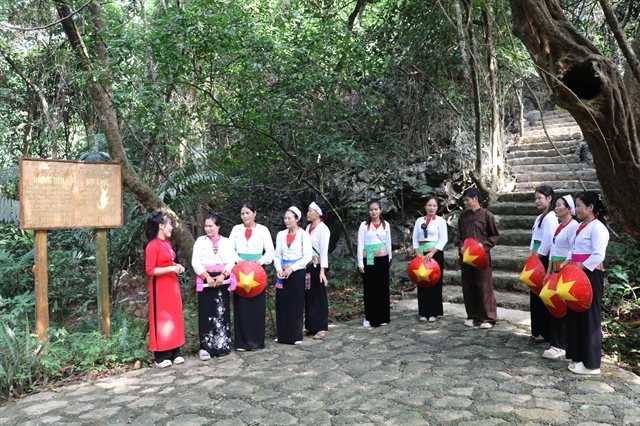
Reaching the cave means a kilometre of stone steps up the mountainside and a climb of more than 100 metres towards the Thung Ui forest. It's a proper workout, but the payoff is a cave stretching 60–70 metres into the mountain, split into several chambers and dressed with stalactites and stalagmites formed over millions of years.
What makes Hang Bói special, though, is what's buried in its floors. Archaeologists, working with international partners since 2007, have found evidence that humans were living here more than 12,000 years ago. At the cave entrance, thick layers of mollusc shells show how these prehistoric communities foraged for food among the limestone hills.
Rather than just roping the place off, local authorities are trying something more ambitious: turning research sites into interpretive experiences. Guides walk visitors through the story of daily life in prehistoric Ninh Bình, and the local tourism department hopes the approach can convey the Outstanding Universal Value that earned Tràng An its UNESCO listing — a nod to the region's cultural as well as natural credentials.
There's a catch, and the operators know it. Archaeological tourism only works if the tourism doesn't wreck the archaeology. Routes and tour plans are being designed to avoid trampling cave floors and sediment layers, with visitor numbers capped to the site's capacity. The operations director at Thung Ui says safety and heritage protection come first, and surveys of surrounding caves are underway to develop similar experiences elsewhere in the province.
Why should this be on your radar? If your Ninh Bình plan currently stops at a boat ride through Tràng An and a sunset at Mua Caves, Hang Bói offers something genuinely different — a physically active half-day that pairs cave scenery with real prehistory. It suits travellers who like their sightseeing with a bit of sweat and a story attached, and it's still uncrowded enough to feel like a discovery.
The province's wider bet is that archaeology can become a signature product alongside its temples and rivers, and early visitors seem sold. One local traveller praised how the guide's storytelling made 12,000-year-old traces of settlement feel tangible. If the model holds, expect more of Ninh Bình's caves to open their floors — and their histories — to visitors in the coming years.