Bishkek has quietly added two headline infrastructure projects, and both were on display during the second Central Asia–China ministerial meeting in the Kyrgyz capital.
The star of the tour was Bishkek Arena, a new stadium billed as the largest football venue in Central Asia. It seats 51,000 spectators and is a serious piece of engineering: 280 metres across, 70 metres tall, with 85,000 square metres of floor space spread over five above-ground and three underground levels. For a city that until now has punched well below its weight in big-event infrastructure, it changes what Bishkek can realistically host — think international qualifiers, large concerts and major regional fixtures.
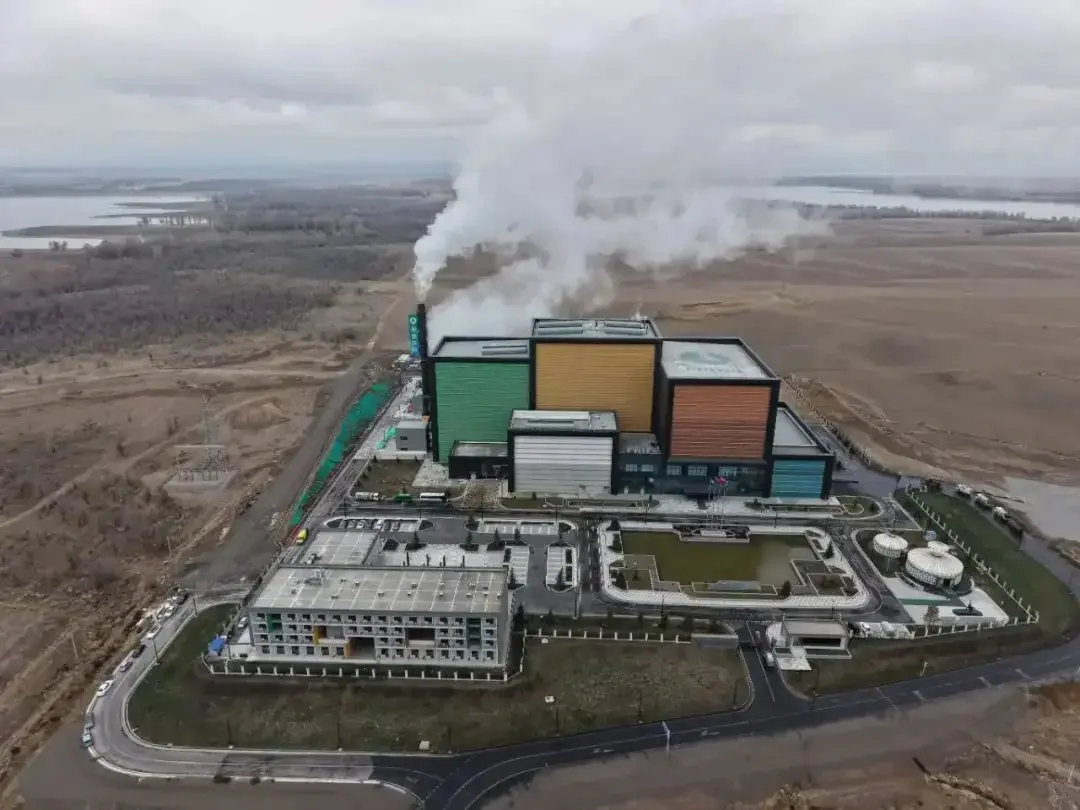
Delegations from China, Kazakhstan, Tajikistan, Turkmenistan and Uzbekistan, hosted by Kyrgyz Construction Minister Nurdan Oruntaev, also toured a municipal waste processing plant that opened on December 27, 2025. It handles 1,000–1,200 tonnes of solid waste a day and can generate up to 30 megawatts of electricity — reportedly the first facility of its kind in Central Asia. City officials are already weighing a second plant, a sign that Bishkek sees waste-to-energy as a long-term play rather than a one-off.
Why does this matter to travellers? The stadium is the obvious draw. Football fans tracking Central Asian qualifiers or anyone combining a trip to Kyrgyzstan with a match in the region now has a genuine reason to time a visit around fixtures. Bishkek itself remains one of the more affordable and low-key capitals in Asia — Soviet-era boulevards, lively bazaars like Osh, and easy access to the Tian Shan mountains, with Ala-Archa National Park barely an hour away.
The waste plant is a subtler signal. Anyone who has visited Bishkek's outskirts in winter knows the city has struggled with smog and rubbish burning. If the new facility does what it promises, the air in and around the capital should gradually improve — a small but real quality-of-life upgrade for visitors and residents alike.
Neither project makes Bishkek a glamour capital overnight, but together they point to a city investing in things travellers actually notice: venues, events and cleaner public space. If you're planning a Central Asia loop through Kazakhstan, Uzbekistan and Kyrgyzstan, Bishkek is becoming easier to justify as more than a transit stop.