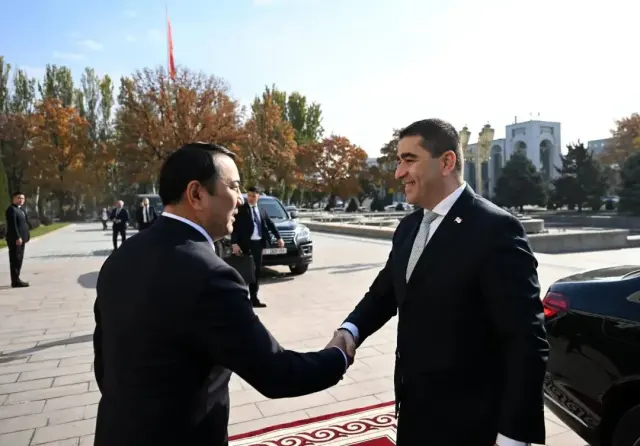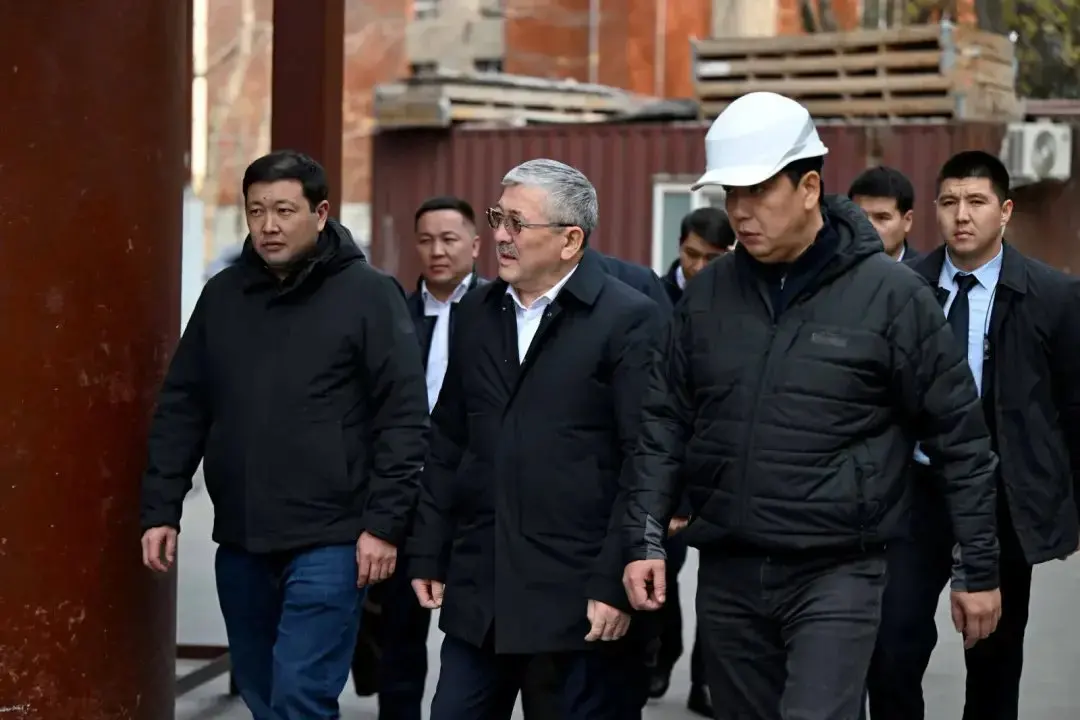
Kyrgyzstan's Cabinet Chairman Adylbek Kasymaliev has been out checking progress on two projects that will gradually change how visitors experience Bishkek: a large cultural centre rising on the footprint of the old Chatyr-Kul cinema, and the city's new Eastern bypass road.
The cultural centre is the one travellers will actually use. It's a three-storey building of about 7,490 square metres packed with six cinema halls, a 400-seat concert hall, classrooms for music and theatre, a meeting hall, a food court and flexible event spaces. A two-level underground car park sits beneath it. Work has moved on to interior finishing, landscaping and the parking structure, and the government is aiming to wrap the whole project up by the end of the year.
The Eastern bypass is less glamorous but quietly significant for anyone driving in or through the capital. The route runs 16.2 kilometres with four lanes, a 14-metre-wide carriageway and 2.5-metre shoulders. For road-trippers heading east towards Issyk-Kul or crossing the city on the way to the Tian Shan, it should eventually mean less time stuck in Bishkek traffic.
After the site visits, Kasymaliev told the relevant agencies and contractors to hold the line on quality, follow the standards, and stick to the schedule — a reminder that both projects are political priorities, not just local developments.
Why should a traveller care? Bishkek is increasingly used as the springboard for Kyrgyzstan's mountains and lakes, but the city itself has often been an overnight stop rather than a destination. A mid-scale concert venue and modern cinema complex in the centre gives visitors something to do in the evening beyond dinner, and it signals the city's broader push to invest in public spaces and infrastructure. Meanwhile, the bypass should make the classic Bishkek-to-Karakol drive along the north shore of Issyk-Kul a little smoother once it's fully in use.
If you're planning a trip, don't build a Bishkek itinerary around either project just yet — the cultural centre needs to actually open, and opening dates in construction projects can slip. But if you're visiting late in the year or into next, it's worth checking whether the venue has launched its programme; a 400-seat concert hall could be a genuinely pleasant way to spend an evening in a city where cultural options have historically been modest. Keep the bypass in mind if you're self-driving: routing around the east of the city may save you the worst of the central traffic on your way out of town.
Bishkek remains one of Central Asia's easiest capitals to explore on foot — leafy grid streets, the Osh Bazaar, Ala-Too Square, and cheap, hearty food. New venues like this add another reason to linger a day or two before heading into the mountains.