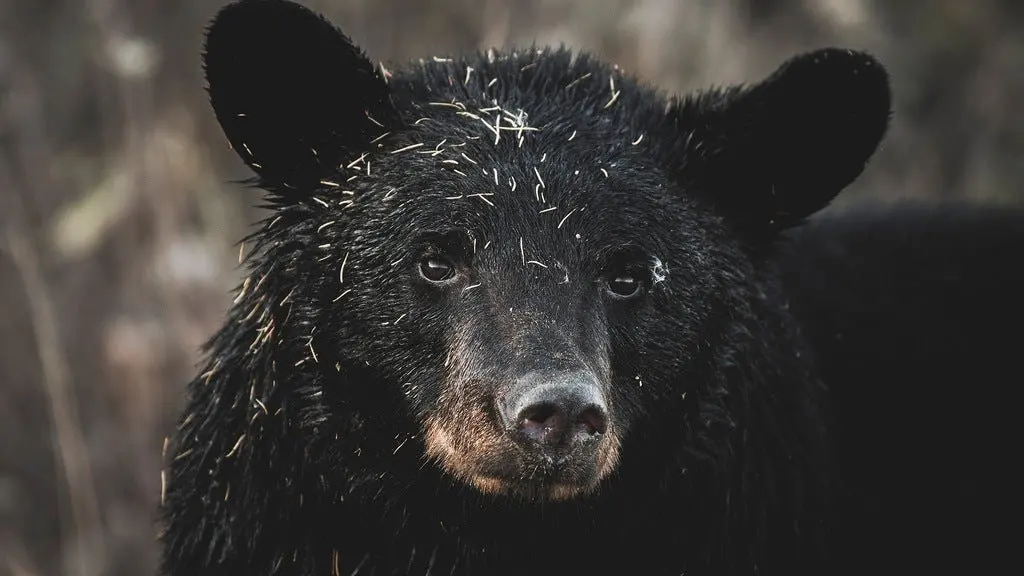
Fourteen black bears were put down at a single property north of Bozeman, Montana, in September after wildlife wardens found them so hooked on human food that they'd stopped foraging, showed no fear of people, and were damaging property. Only one cub was spared, held at Montana Fish, Wildlife & Parks' Montana WILD facility in Helena while officials try to place it at an accredited zoo. That decision came down to its age and a zoo's capacity — not because it was any less food-conditioned.
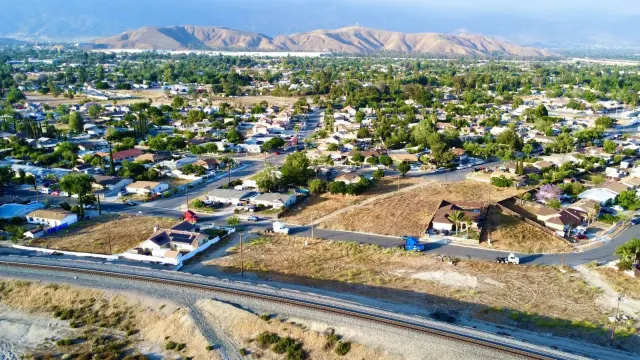
The case stands out for its scale. Montana FWP responded on September 24 and 25 to a report of suspected illegal feeding — which the state prohibits — and found 15 severely habituated bears on one property. The investigation is ongoing; officials haven't said how long the feeding went on or whether it was deliberate, and no one has been publicly identified.
Why couldn't the bears simply be moved? Relocation almost never works, explains Chris Servheen, a former US Fish & Wildlife Service grizzly recovery coordinator. Adult bears have strong homing instincts — move one 40 miles and it can be back in days. Even bears that stay put in new territory struggle, having learned where to find food in their home range from their mothers, while competing with resident bears. And it takes remarkably little to condition a bear in the first place: one substantial meal, and it remembers the address.
The timing matters too. It's been a heavy year for bear conflicts across the West. South-central Montana logged roughly 400 conflicts by late September, versus about 175 in all of 2025, with more than 200 in Red Lodge alone. Colorado received 8,672 bear reports through August 31 — more than double the same period in 2025. Autumn's hyperphagia, when bears pack on fat before hibernation, makes easy calories irresistible — not because bears are starving, Servheen notes, but for the same reason we linger in an ice cream shop.
Why should holidaymakers care? Bozeman sits on the doorstep of Yellowstone, and plenty of visitors rent cabins or homes in bear country each year. What you leave out — unsecured rubbish, bird feeders, fallen fruit, a cooler on the porch — can shape whether a bear lives or dies. Experts stress that most people want to do the right thing but find securing attractants genuinely hard work; groups like People and Carnivores help residents with electric fencing and coops. The key takeaway: report a bear finding food near your accommodation immediately. Early intervention can break the habit before it becomes permanent — and prevent the outcome Bozeman just witnessed.