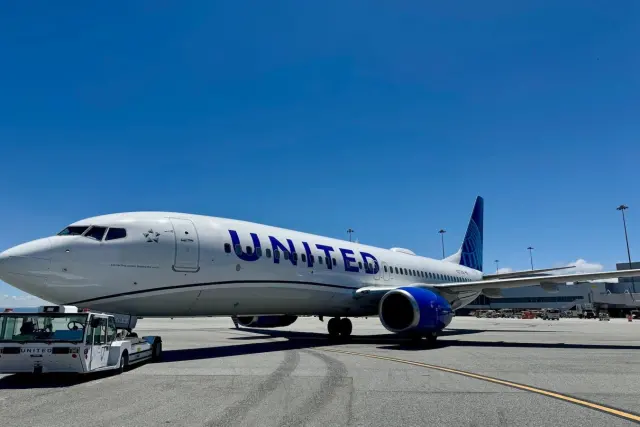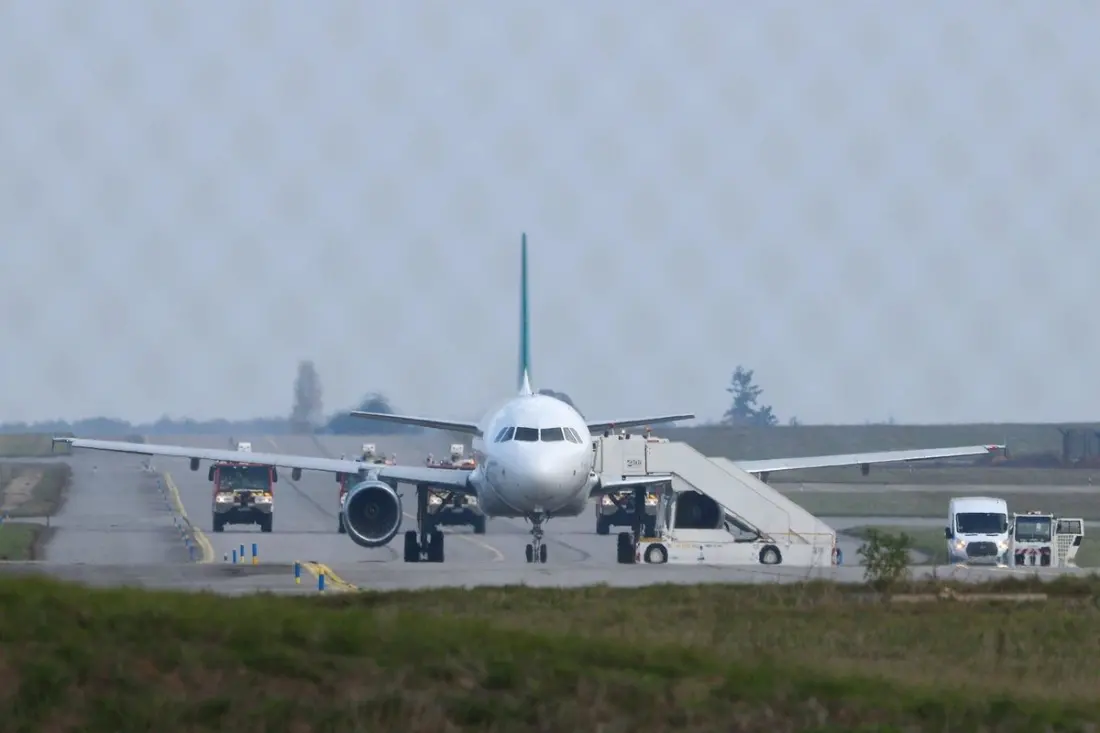
A wave of bomb threats has been sweeping European aviation this week, forcing emergency landings, diversions and even a temporary airport closure — and the disruptions were still rolling in as of Thursday, with no one yet sure who is behind them.
The pattern began on Monday, when a Wizz Air flight from London Luton to Bulgaria was diverted to Budapest after a mid-air alert. Tuesday brought the biggest single-day disruption: at least seven flights hit with threats, including departures from London, Manchester, Copenhagen, Dublin, Bergamo, Lisbon and Israel. Warsaw-Modlin airport in Poland was temporarily shut as a result. Hundreds of passengers were left scrambled across the continent.
Thursday saw a second round. More than ten flights were reportedly affected, though nearly all landed safely. An Aer Lingus service from Dublin to Rome diverted to Evreux, about 100km west of Paris. A LOT Polish Airlines flight put down at Brussels Zaventem after a security warning, with nothing suspicious found on board. Finnair reported hoax threats against two Helsinki departures — one bound for Rome, the other for Vienna. Four planes landed in Prague after alerts, again with no explosives discovered, and Bulgarian authorities handled three emergency landings, including a flight from London that stopped in Plovdiv. Two aircraft heading to Milan Malpensa also received alerts before landing safely.
The key reassurance for nervous flyers: no device has been found on any affected aircraft so far. The UK government has labelled the threats against British departures "malicious hoax threats", and officials stress that most such alerts are hoaxes designed to cause fear and disruption rather than actual danger. They are still treated with full seriousness — under UK law a bomb hoax conviction can carry up to seven years in prison. No confirmed links between the incidents have been established, and no country has assigned blame.
If you are flying in or out of Europe in the coming days, build in some buffer time and keep an eye on your airline's app, since diversions can happen at short notice. It's also worth knowing where you stand financially: a bomb hoax is likely to be classed as an extraordinary circumstance, meaning compensation under UK rules is unlikely if your flight is delayed or cancelled. Those rules cover you if you depart from a UK airport on any airline, arrive in the UK on an EU or UK carrier, or arrive in the EU on a UK airline. What airlines must still do is get you to your destination as soon as possible, and provide meal vouchers and accommodation when needed — or reimburse you if you have to claim those costs yourself.
The practical takeaway is simple: the disruption is real but the danger, so far, is not. Flights are landing, authorities are responding quickly, and passengers are being re-accommodated. If your route gets caught up in an alert, know your rights, hang on to your receipts, and let the airline sort the rest.