Booking.com has released the 11th edition of its annual Travel Predictions, and the headline finding is that travellers — particularly Australians — are ditching the fixed itinerary in favour of trips shaped by emotion, wellness and even the supernatural. The research draws on surveys of more than 28,000 travellers across 32 countries and territories, including over 1,000 Australians, and lays out nine trends the company expects to define 2027.
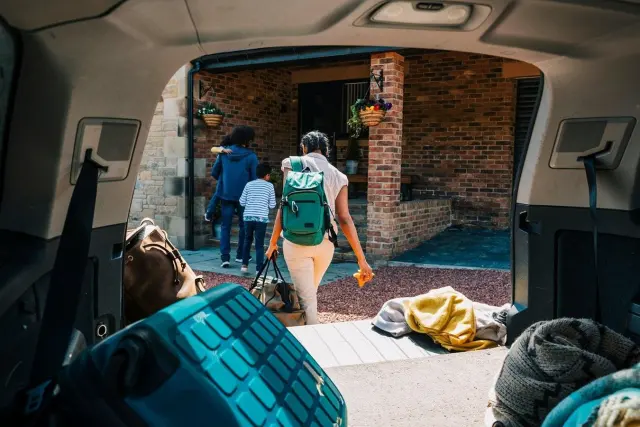
The quirkiest of the batch is the "Plot Twist Trip": deliberately booking a holiday completely out of character purely to surprise friends and family. Close behind is "Vibe Check(In)", where the destination is chosen by the mood a traveller wants to feel rather than by geography — you pick the feeling first, then find a place to match it. Money is reshaping group dynamics too: under "Social Currency", budgets become a filter for deciding who actually comes along, a pragmatic fix for the age-old friction of splitting costs on group trips.
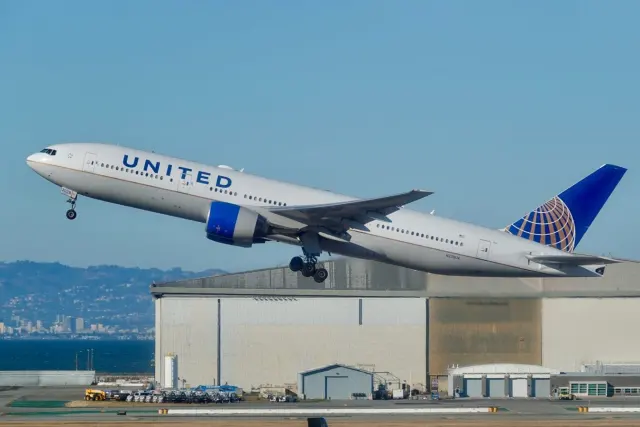
Wellness runs through much of the report. "Hotel in the Sky" predicts airlines leaning harder into in-flight wellbeing, with sleep-supporting menus and lighting designed to reduce jet lag. "Sweat Synergy" sees solo travellers bonding through shared fitness challenges and athletic communities, while "Trailside Therapy" suggests hiking and other outdoor activities are becoming the setting for honest relationship conversations — the trail as a counselling room.
There's a spookier thread as well. "Trip to the Beyond" points to growing appetite for paranormal encounters, haunted histories and spiritual experiences around the afterlife. At the other end of the practicality scale, "The All-Exclusive" flips the all-inclusive model on its head: packages customised to strip out services you won't use and align with your health or dietary choices.
Finally, AI is set to handle the awkward boundary between holiday and inbox. "PTO: Powered by AI" describes travellers using artificial intelligence to manage emails and admin while away, so the return to work isn't a cliff edge.
Todd Lacey, Booking.com's Regional Manager for Oceania and Korea, framed the shift simply: travel is no longer one-size-fits-all, and Australians are putting wellbeing first and getting far more intentional about how, why and with whom they explore the world. The company is pairing AI with deeper personalisation to match each step of a trip to individual intent and emotion.
Why does this matter if you're planning a 2027 holiday? Because the industry tends to follow these signals. If mood-based search, budget-matched group trips, sleep-friendly cabins and AI inbox management become standard features, the way you book and experience a trip could look noticeably different within a year or two. Even if you skip the ghost tours, expect more tools that let you shop by feeling rather than destination — and don't be surprised if your next hiking buddy is a stranger you met through a fitness community app.