A housing protest in Porto has escalated into the kind of street confrontation Portuguese police hoped to avoid, and officials are now watching closely to see whether the movement spreads to the capital.
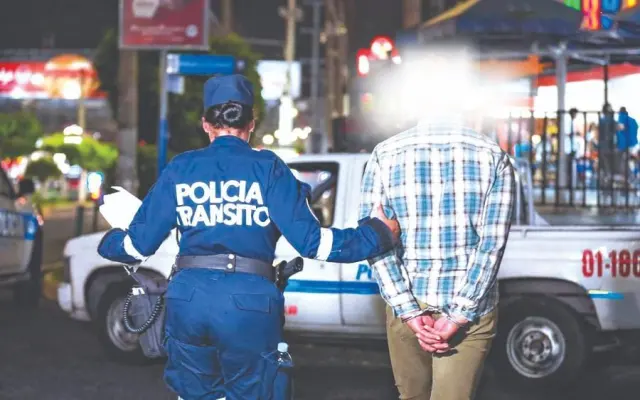
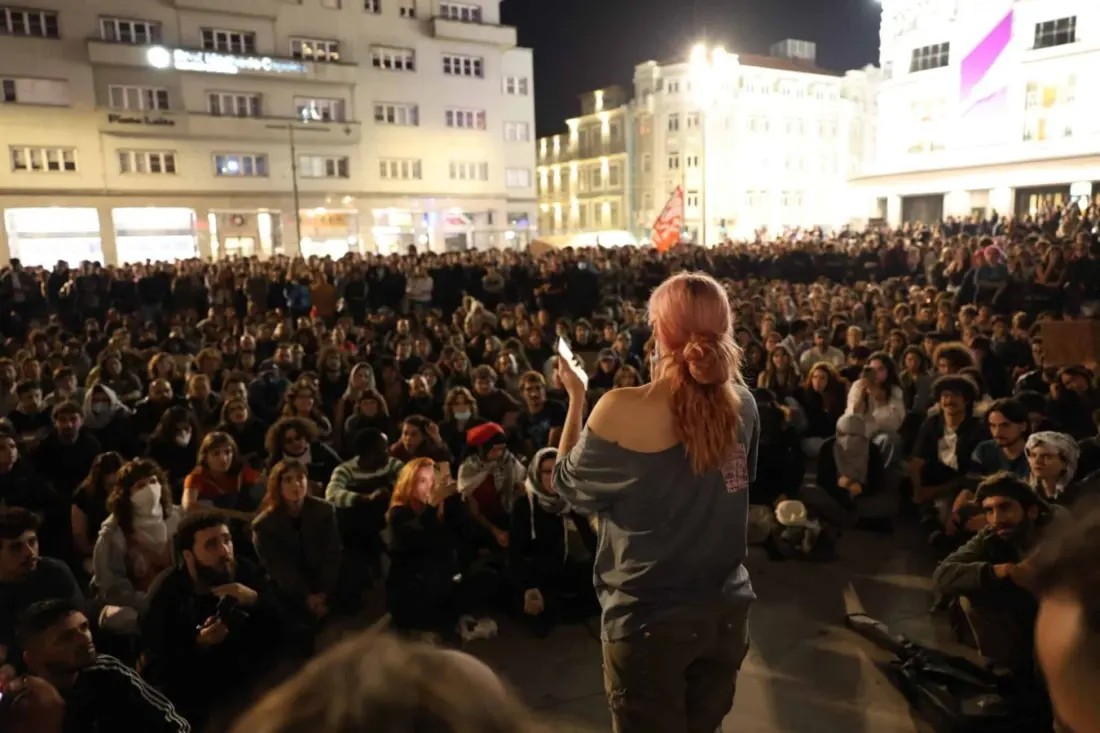
The trouble flared at Praça D. João I in central Porto, where riot police moved in during the early hours of Thursday to clear protest tents. At least 37 demonstrators were reportedly injured, two of them with fractures serious enough to need hospital treatment. The movement, campaigning for affordable housing, condemned what it called excessive police force. By Friday morning, organisers told crowds to leave the square at around 1.20am, saying other groups had infiltrated the protest to cause trouble — a decision taken after one person was punched and taken away by ambulance.
The next date for the diary is Saturday, October 17, when organisers plan a similar demonstration in Lisbon. That is the one anyone visiting Portugal should be aware of: central-square gatherings of this kind typically mean road closures, diverted buses and metro crowds, and the small but real chance of confrontation if things turn.
Police voices are split between reassurance and warning. Bruno Pereira, a senior PSP officer who heads the National Union of Police Officers, told CNN Portugal he worried about a pattern of imitation and social contagion across Europe — pointing to recent unrest in France, Spain, Belgium and Albania. "If people aren't worried, I'm starting to be," he said. Francisco Rodrigues of the Observatory for Security, Organised Crime and Terrorism agreed the Porto events could encourage copycat protests elsewhere in the country, though both men believe Portuguese forces have the training to handle serious disorder. The caveat: if crowds grow far beyond what was initially deployed, reinforcements take time to arrive.
What are the protesters actually asking for? An end to evictions, limits on investment funds buying up property, more public housing, renovation of vacant buildings and rent caps. Anyone who has looked at Lisbon or Porto rents lately will understand the anger — and Porto's mayor Pedro Duarte, while defending the police, is under pressure of his own.
Why should a traveller care? Mostly practically rather than alarmingly. Portugal remains one of western Europe's safest countries, and these demonstrations target housing policy, not tourists. But if you are in Lisbon on October 17, expect a large crowd somewhere central, possible transport disruption, and a charged atmosphere after the Porto injuries. The sensible playbook is the usual one for European protests: keep an eye on local news that morning, give the square a wide berth if you would rather not get caught up in it, and build a little buffer into any airport transfer. If you are staying near Praça dos Restauradores, Rossio or wherever the march concentrates, a quieter dinner in another neighbourhood may be the better call on the night.