Planning to drive in El Salvador? The rules around alcohol just got a lot stricter, and enforcement is ramping up fast.
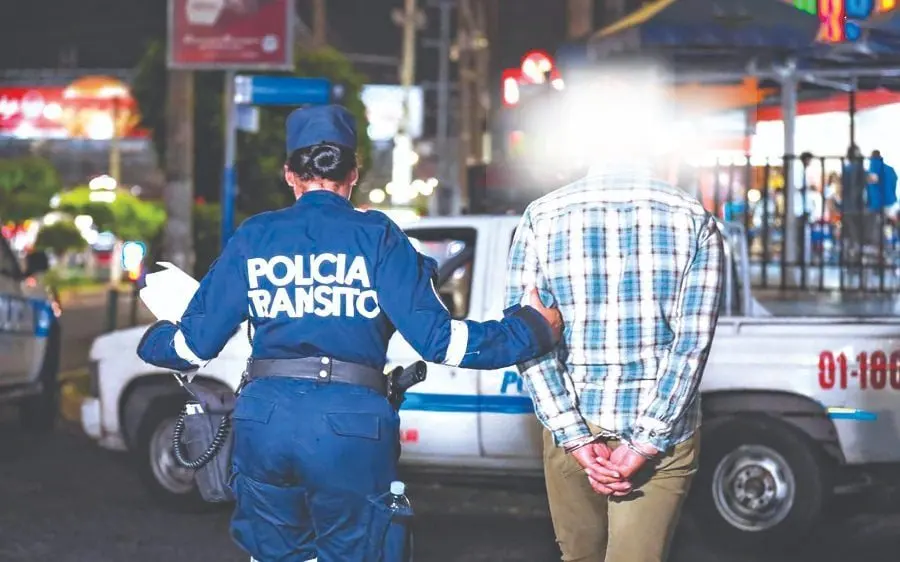
El Salvador's National Civil Police have arrested 1,920 people for driving under the influence so far in 2026, as of October 14 — up 13.9% on the same period last year, according to figures from the National Road Safety Observatory. That works out to roughly 6.7 drunk drivers taken off the roads every day this year. Authorities credit the rise to more vehicle checkpoints and joint operations run by the Vice Ministry of Transportation and the police traffic directorate.
The crackdown matters because the country's road safety record is genuinely grim. By mid-October, El Salvador had logged more than 17,490 traffic incidents in 2026, injuring over 12,490 people and killing 1,144. Impaired driving is one of the leading causes of these deaths, which is why the government overhauled its traffic laws last year.
The legal change is the big one for travellers. El Salvador now operates a zero-tolerance policy: the old limit of 99 milligrams of alcohol per decilitre of blood is gone, and any detectable alcohol in a driver's system can lead to criminal charges. Drivers deemed a danger to public safety face an automatic licence suspension and a $150 fine, and repeat offenders can lose their licence permanently. The Penal Code has also toughened up — fatal crashes involving impaired drivers now carry five to ten years in prison for those driving private vehicles, and up to 15 years for anyone behind the wheel of a cargo or public transport vehicle.
For visitors, the practical takeaway is simple: if you're renting a car, riding a motorbike, or driving yourself anywhere in El Salvador — popular routes like the Ruta de las Flores or the coastal surf towns included — assume a single drink is too many. Checkpoints are common and operations are running daily. If you're heading out for the evening in San Salvador or a beach town, use a ride app or a designated driver rather than risking a fine, a licence suspension, or worse. The upside for everyone on the road is that the country is taking preventable deaths seriously, and increased enforcement should, over time, make its highways safer for tourists and locals alike.